

A study of how Moroccan architecture balances light, climate, and privacy through time.
Moroccan architecture has long developed a unique relationship with natural light. Shaped by climate, materials, and cultural values, buildings across the country reveal how daylight is controlled, filtered, and redefined to balance comfort, privacy, and expression.
Table of Contents
Why Natural Light Matters in Architecture
Light is one of architecture’s most powerful design elements. Beyond simply illuminating a space, it shapes the way people perceive, experience, and interact with the built environment. Natural light enhances architectural forms, reveals textures and materials, and creates an atmosphere that changes throughout the day. It also plays a vital role in human health by improving well-being, and reducing reliance on artificial lighting. As people spend a significant portion of their lives indoors, architects strive to create spaces that maximize daylight while ensuring comfort and energy efficiency.
Natural light, or daylight, has the power to transform the atmosphere of a space. It brings buildings to life, enhances their architectural features, and helps people experience the architect’s vision. Whether through the placement and size of windows, as well as the design of walls and courtyards .natural light shapes the way a space is perceived.
To achieve effective daylighting, architects carefully study several environmental factors before designing a building. They analyze the local climate to understand how sunlight changes throughout the seasons, the building’s orientation in relation to the sun, and the positions of sunrise and sunset. These considerations allow architects to maximize daylight while minimizing glare and excessive heat gain, creating spaces that are both comfortable and energy-efficient.
Traditional Homes of Ouarzazate and Zagora
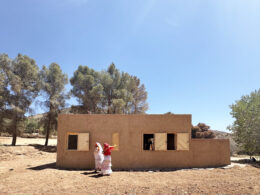
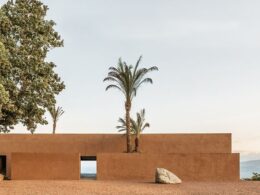
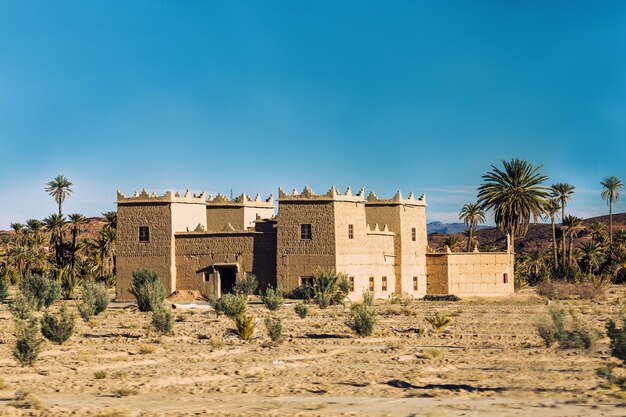
In traditional Moroccan architecture, natural lighting was a primary design consideration. Before the widespread use of electricity, people spent much of their time at home and relied heavily on daylight to illuminate their living spaces. A great example can be found in the traditional countryside houses of Ouarzazate and Zagora. Built with simple local materials such as mud bricks, stone, and timber, these homes featured thick walls and carefully positioned small exterior windows. These openings allowed enough daylight to enter while protecting the interior from the intense desert heat, creating naturally comfortable living conditions
Natural Light in Moroccan Riads
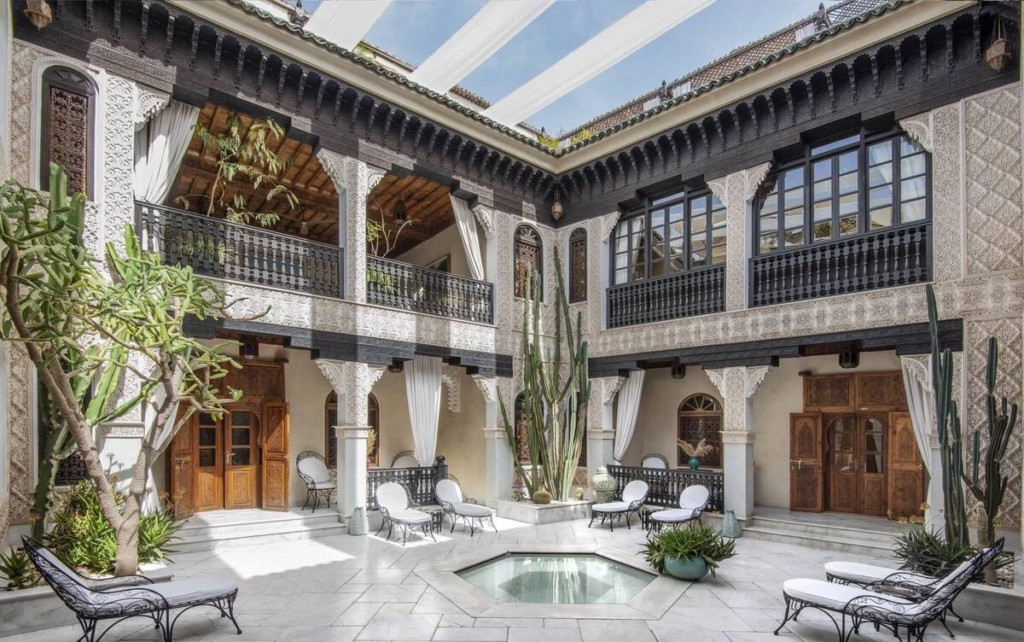
Riads are another remarkable example of Morocco’s intelligent use of natural light. They are among the most recognizable forms of Moroccan architecture and are especially common in the historic medinas of Marrakech, Fes, Meknes, and Rabat. A traditional riad is organized around a central open-air courtyard, often featuring a garden or fountain. Sunlight enters from above and spreads evenly throughout the house, while every room opens onto the courtyard, allowing daylight to reach the interior throughout the day. Beyond their exceptional craftsmanship, intricate zellige tilework, carved cedar wood, and decorative plaster, riads demonstrate how traditional architecture can combine beauty, comfort, and environmental sustainability through passive design.
Villa des Arts, Casablanca
Art, Architecture, and Daylight
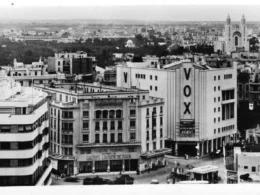
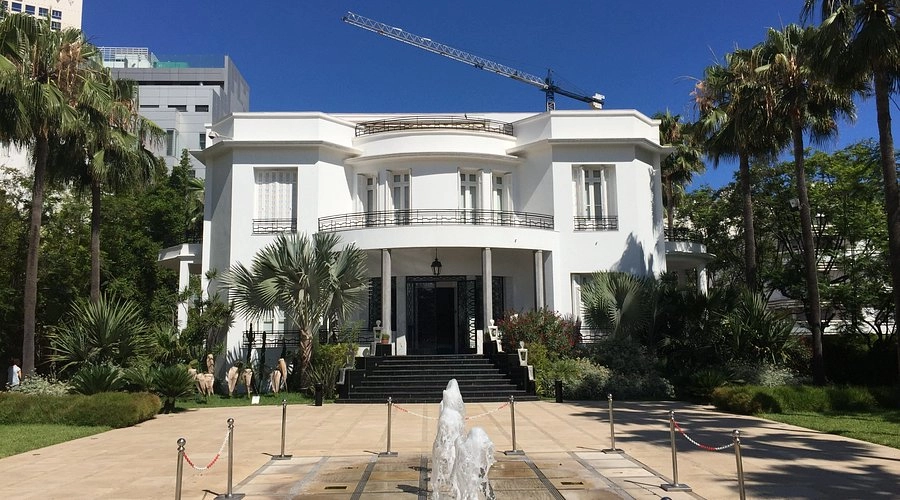
A contemporary example is the Villa des Arts in Casablanca, a museum and cultural center that uses natural light as an integral part of the visitor experience. Originally built in the 1930s in the Art Deco style, the villa was later transformed into a museum and cultural center. It features large windows that allow generous daylight into its galleries. High ceilings help distribute light evenly, making the exhibition spaces feel brighter and more spacious. The surrounding gardens create a visual connection between the indoor and outdoor environments, adding to the overall experience.
The villa also uses white walls and light-colored interior finishes that reflect daylight throughout the galleries. This creates bright exhibition spaces while reducing the need for artificial lighting during the day. By carefully balancing natural light with modern architectural design, Villa des Arts demonstrates how daylight can enhance both sustainability and the appreciation of art.
Hassan II Mosque: Natural Light as a Spiritual Experience
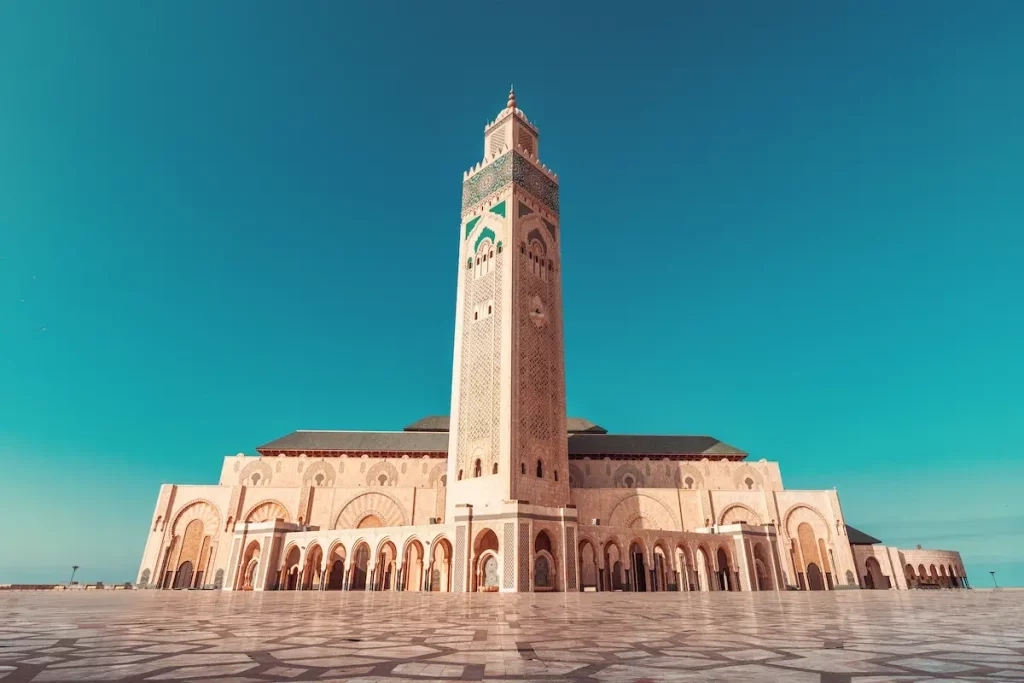
Another remarkable example of the use of natural light in Moroccan architecture is the Hassan II Mosque. Completed in 1993 and designed by French architect Michel Pinseau, the mosque combines traditional Moroccan craftsmanship with modern engineering. Overlooking the Atlantic Ocean, it was designed to celebrate both light and nature as essential elements of Islamic architecture.
Large windows facing the Atlantic Ocean bring abundant daylight into the prayer hall, while skylights illuminate the interior from above. The marble floors, carved plaster, cedar wood ceilings, and intricate zellige tilework reflect and diffuse sunlight, creating a warm and spiritual atmosphere. Throughout the day, the changing position of the sun produces shifting patterns of light and shadow that highlight the mosque’s exceptional craftsmanship and architectural details.
Case Study: Privacy vs Natural Light in Architecture
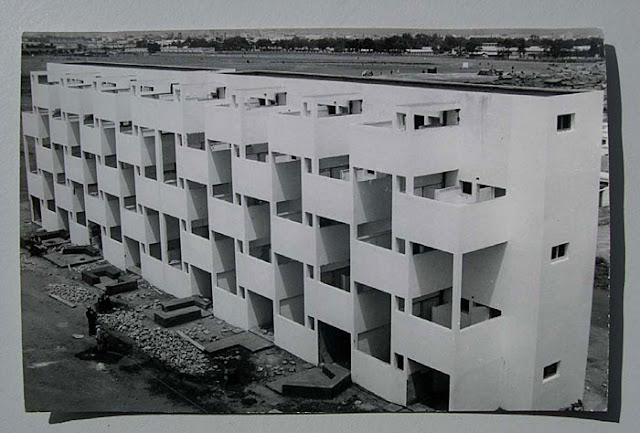
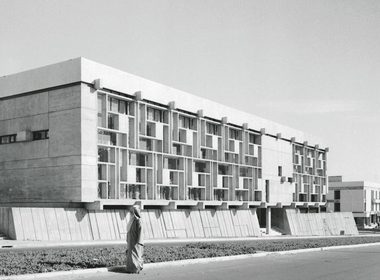
Located on Boulevard Zerktouni, one of Casablanca’s busiest avenues, the Nid d’Abeille, was considered a masterpiece of modern architecture (GAMMA movement) when it was completed. Its iconic honeycomb façade was not designed solely for its striking appearance; it also responded intelligently to the city’s climate and cultural values , The deep geometric openings provide several environmental benefits:
- shade from Casablanca’s intense sun
- reduce heat gain
- allow natural ventilation
- filter daylight into the apartments
- create ever-changing patterns of light and shadow throughout the day
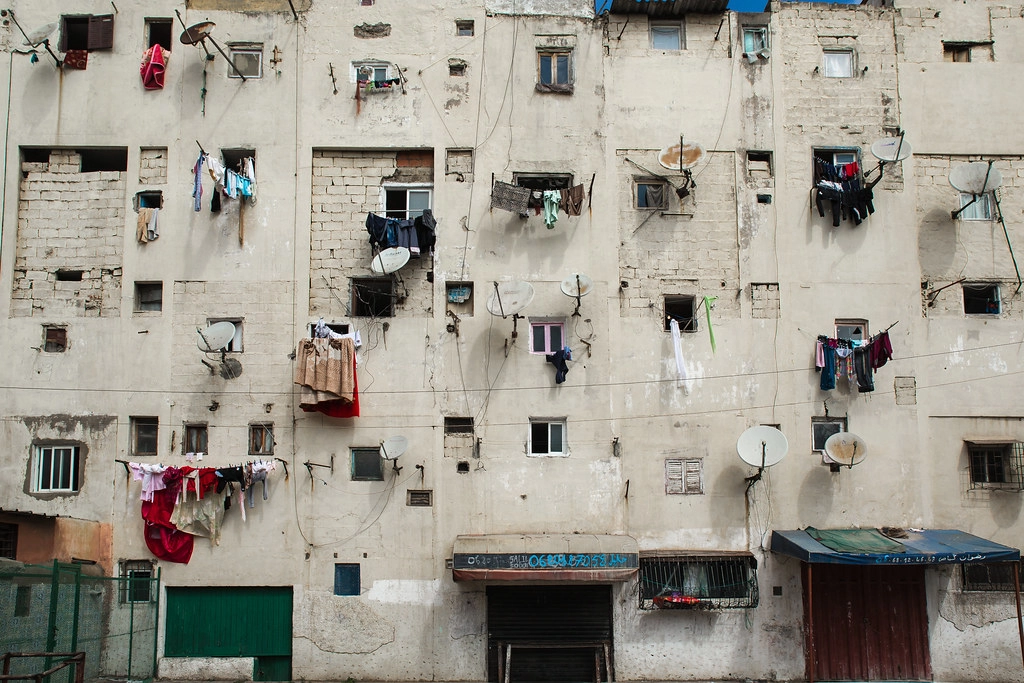
While the design responded effectively to climate, many residents later modified their apartments to achieve greater privacy, and space, reflecting the importance of seclusion in Moroccan domestic life.
Final Thoughts
The Nid d’Abeille is a remarkable example of how careful environmental analysis and cultural study of a society have to come together for an effective architecture. The evolution of the building demonstrates that successful architecture must respond to the cultural expectations of the people who inhabit it.
We can also observe the importance of privacy in riads and traditional buildings, such as those found in Ouarzazate. In these spaces, privacy is carefully preserved without sacrificing natural light. The riad achieves this balance through inward-facing doors and windows, while daylight enters from above through the central courtyard or openings in the ceiling, softly illuminating the interior.
It is fascinating to see how architects of the past carefully considered every aspect of their environment, designing buildings that responded to the local climate, culture, and the everyday needs of the people who lived in them. Their work reminds us that good architecture is not about copying visually striking buildings from other parts of the world, but about creating spaces that respect their context and serve the people who use them. Rather than replicating foreign designs, we should learn from their thoughtful, context-sensitive approach and adapt it to the places and communities we build for.