




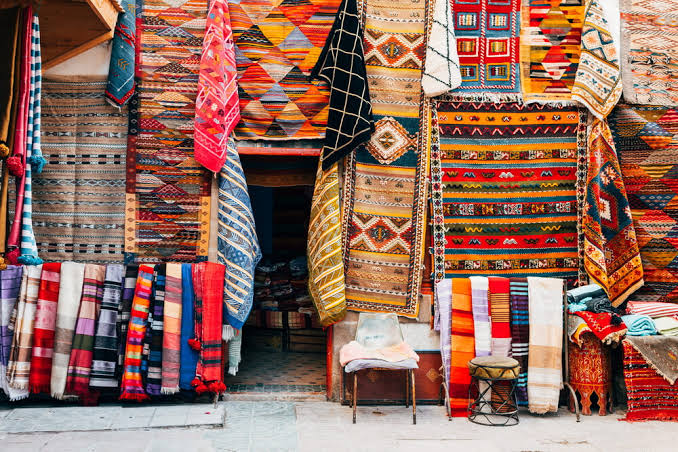
Moroccan Crafts has long been one of the strongest expressions of a nation’s identity, carrying within it centuries of knowledge, memory, and cultural continuity. More than a collection of techniques, it is a living language that connects generations through the hands of those who continue to shape it.
In 2026, however, craftsmanship exists in a world defined by global cultural movements, digital influence, and the relentless pace of mass consumption. As uniformity becomes increasingly accessible, authenticity has become a new form of luxury. Across the world, Generation Z is leading a renewed appreciation for handmade objects, local production, and meaningful design. In Morocco, this shift is giving traditional crafts a new relevance. Rather than treating them as relics of the past, a new generation of designers, artisans, and creatives is reinterpreting centuries-old savoir-faire through a contemporary lens, ensuring that Moroccan craftsmanship continues to evolve while remaining deeply rooted in its heritage.
Table of Contents
Moroccan Craftsmen On Social Media
@chabichicmorocco: Handmade ceramics
Chabichic morocco is a Moroccan lifestyle brand that celebrates traditional craftsmanship through handmade ceramics and home décor. The account showcases beautifully crafted pieces that combine authentic Moroccan artistry with contemporary design, making traditional crafts appealing to a global audience.
@artnaji: Zellige & pottery
Artnaji highlights the beauty of traditional Moroccan zellige and pottery. Through videos and images of the creative process, the account showcases the skill, precision, and heritage behind handcrafted tiles and ceramics while promoting the work of local artisans.
@yedmaalem: Architecture and craftsmanship
Yedmaalem is dedicated to preserving Morocco’s architectural and artisanal heritage. The platform documents traditional building techniques, craftsmanship, and the work of maalems (master artisans), helping younger generations appreciate Morocco’s rich cultural legacy.
@defra.w.merbo3: Wood Carving
Defra.w.merbo3 focuses on the art of traditional wood carving, featuring handcrafted furniture, decorative pieces, and intricate carvings. The account gives followers a behind-the-scenes look at the patience, precision, and creativity involved in Moroccan woodworking.
@Salsala.Atelier: Pottery workshop
Salsala.Atelier is a pottery studio that shares the journey of creating handmade ceramics from clay to finished pieces. Alongside showcasing its work, the account promotes pottery workshops, encouraging people to experience traditional Moroccan craftsmanship firsthand.
Traditional Arts School of Hassan II
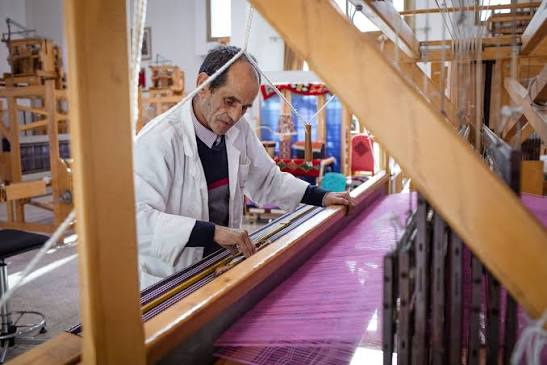
To preserve Morocco’s unique craftsmanship and ensure that centuries-old techniques are not lost with the older generation of maâlems, the Traditional Arts School of Hassan II was established to train a new generation of artisans.
Founded in 2012 in Casablanca, the school offers specialized training in Morocco’s traditional arts, including zellige, wood carving, plaster carving , traditional painting , metalwork, and calligraphy. Combining theoretical education with hands-on apprenticeship, students learn directly from experienced master artisans while also studying the history, architecture, and cultural significance of each craft.
The school’s mission goes beyond teaching technical skills it aims to safeguard Morocco’s artistic heritage by preparing young artisans to carry these traditions into the future while maintaining the authenticity and excellence that define Moroccan craftsmanship.
Government Initiatives to Revive Moroccan Craftsmanship
Recognizing the cultural and economic value of traditional crafts, the Moroccan government has launched several initiatives to preserve this heritage and encourage younger generations to pursue careers in the sector. Through the Ministry of Tourism, Handicrafts and Social and Solidarity Economy , Morocco has invested in vocational training, financial support, and the promotion of Moroccan craftsmanship both nationally and internationally.
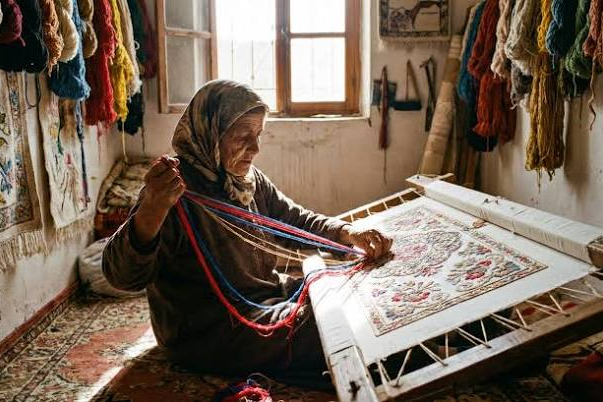
The Moroccan government has launched several programs across the country to ensure that traditional crafts are passed on to the next generation. Through vocational training, support for artisans, craft cooperatives, exhibitions, and educational institutions, these initiatives aim to preserve Morocco’s rich craftsmanship while encouraging more young people to pursue careers in the sector.
Professional Artisan Card
One of the government’s key initiatives is the Professional Artisan Card, issued to artisans registered in the National Register of Traditional Crafts. The card officially recognizes their profession and gives them access to training programs, social protection, financial support, trade fairs, and other benefits. It aims to strengthen the sector while making traditional craftsmanship a more secure and attractive career for future generations.
Why Many Young Moroccans Avoid Craft Careers
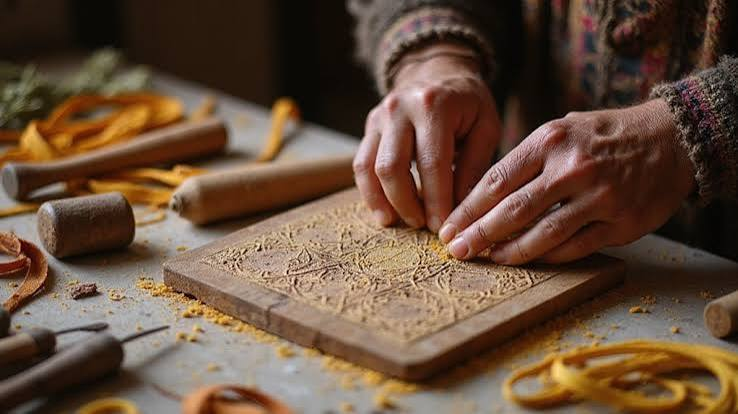
Despite ongoing efforts to revive traditional craftsmanship, many young Moroccans are reluctant to pursue it as a career.
- Low and unstable income
- Physically demanding work that requires years of practice and patience.
- Competition from cheap imported and mass produced products
- Limited access to funding when opening workshops or purchasing materials and equipment.
- Rising costs of raw materials, making it harder for artisans to earn a profit.
Final thoughts
Although more young Moroccans are showing an interest in traditional crafts, many view them as a hobby rather than a long term career. The reality is that becoming a maâlem requires years of dedication, patience, and skill, yet many artisans receive modest financial rewards for their work. In today’s economy, this discourages many young people from pursuing craftsmanship as a profession.
Traditional craftsmanship is far more than the creation of beautiful objects. Every handcrafted piece represents countless hours of labor, generations of knowledge, and a deep connection to Morocco’s cultural identity. Behind every mosaic, carpet, ceramic bowl, or carved wooden door is an artisan whose expertise has been refined over decades.