


Table of Contents
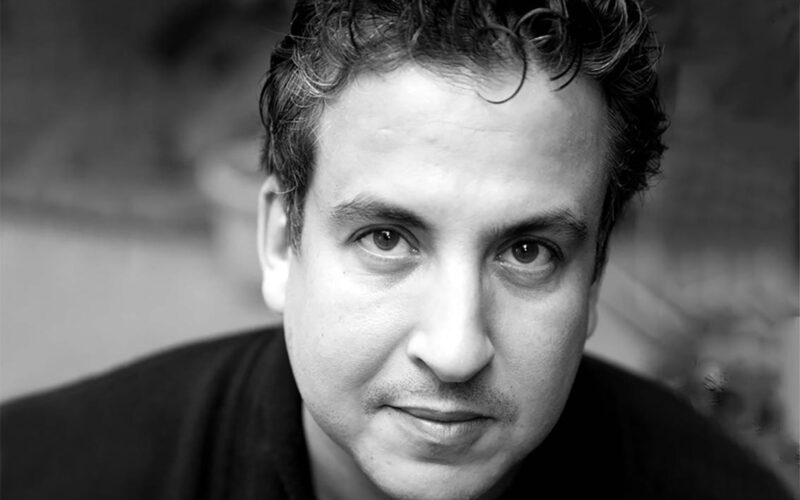
Yachar Bouhaya As A Voice in Contemporary Moroccan Design
Over the past decade, Yachar Bouhaya has emerged as one of Morocco’s leading architects and interior designers, known for creating spaces that seamlessly combine contemporary sophistication with a deep respect for context. Working from Casablanca, his studio has delivered residential, hospitality, commercial, and workplace projects that demonstrate how architecture can tell stories rather than simply accommodate functions.
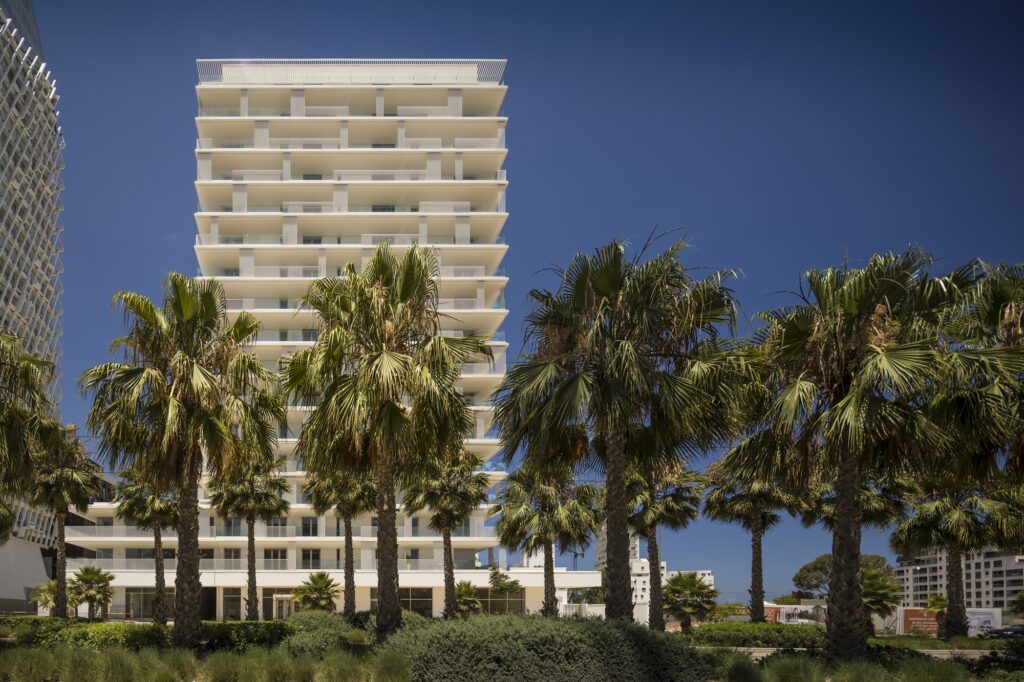
Projects such as BO52 Headquarters in Casablanca and the transformation of Le Cabestan Ocean View illustrate his multidisciplinary approach, where architecture, interiors, branding, and user experience become inseparable parts of a single design vision.
Designing Beyond a Signature Style
Rather than developing a recognizable visual signature, Bouhaya allows each project to evolve according to its location, purpose, and users. This flexibility enables every design to possess its own identity while remaining rooted in timeless architectural principles.
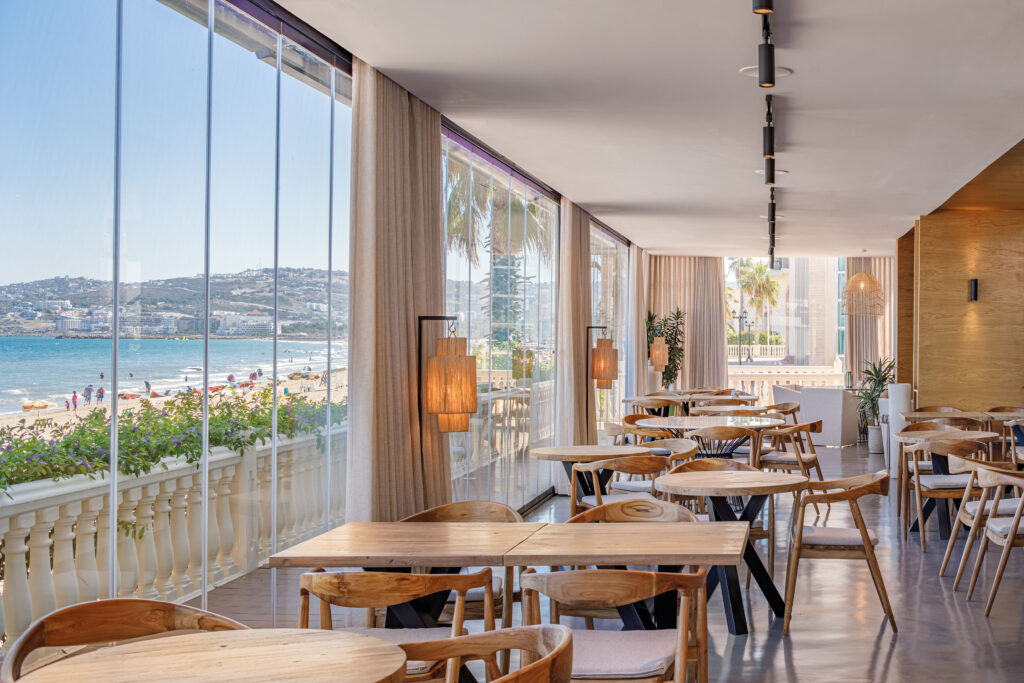
This philosophy becomes evident when comparing the elegant Parisian atmosphere of La Grande Brasserie in Casablanca with the coastal character of NoNo Sea Taste in Tangier. Although both are hospitality projects, they express completely different identities. The former draws inspiration from classic European dining culture with refined materials and warm lighting, while the latter embraces Mediterranean openness, natural textures, and uninterrupted views of the sea.
Similarly, his residential projects, including Villa C and Villa D, respond directly to their sites, demonstrating that architecture should emerge from context rather than stylistic repetition.
Architecture as Storytelling
Bouhaya often describes architecture as a form of storytelling, where each sequence of spaces unfolds like chapters in a narrative. Movement, light, materials, and proportions are carefully orchestrated to create emotional experiences.
One of the strongest examples is Le Cabestan Ocean View, where visitors gradually transition from the entrance toward panoramic Atlantic views. Every spatial sequence builds anticipation, allowing architecture to reveal itself progressively rather than all at once.
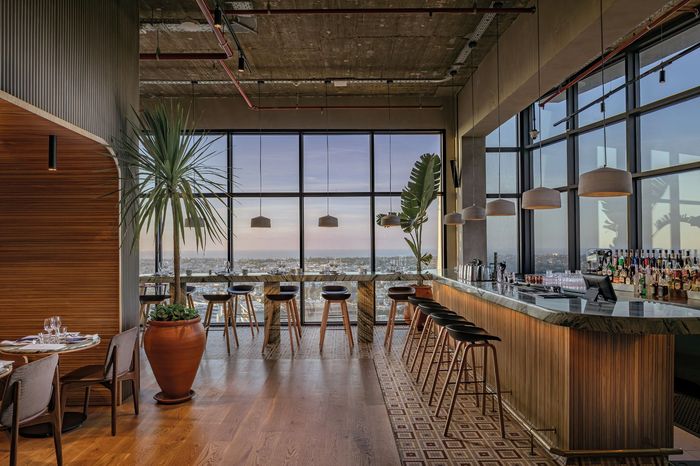
The same narrative quality can be found in Lucy in the Sky, where lighting, circulation, and layered interiors create changing atmospheres throughout the day, transforming a simple restaurant visit into an immersive experience.
Hospitality as an Immersive Experience
Hospitality design has become one of Bouhaya’s defining specialties. His restaurants demonstrate how interior architecture can shape memory, comfort, and emotion just as much as food itself.
At La Grande Brasserie, timeless materials, elegant proportions, and carefully designed lighting evoke the atmosphere of historic European brasseries while remaining unmistakably contemporary.
Meanwhile, Lily’s introduces a softer, more intimate environment through muted colour palettes, tactile materials, and sophisticated detailing, creating an atmosphere of understated luxury.
In NoNo Sea Taste, the surrounding Mediterranean landscape becomes part of the interior experience through generous openings, natural light, and a restrained material palette that allows the sea itself to become the focal point.
The Language of Materials
Throughout his work, Bouhaya demonstrates an exceptional sensitivity toward materials. Travertine, marble, oak, textured plaster, bronze, blackened steel, and handcrafted Moroccan finishes are combined with remarkable restraint.
The renovation of Le Cabestan Ocean View perfectly illustrates this philosophy. Stone surfaces, warm timber, and subtle metallic accents create a timeless interior that feels luxurious without appearing excessive.
Likewise, Villa C relies on natural limestone, exposed concrete, wood, and expansive glazing to establish harmony between architecture and landscape. Every material is selected not only for its visual qualities but also for its tactile and atmospheric contribution.
Reimagining Moroccan Identity
Rather than reproducing traditional Moroccan motifs, Bouhaya interprets local identity through contemporary architecture.
Projects such as Villa D demonstrate this approach by replacing ornamental decoration with filtered natural light, generous courtyards, textured walls, and carefully framed views. The essence of Moroccan architecture is preserved through climate-responsive design and spatial experience rather than historical imitation.
Even in commercial projects like BO52 Headquarters, subtle references to Moroccan craftsmanship appear through custom joinery, artisanal finishes, and carefully selected local materials, proving that heritage can coexist with international contemporary design.
Residential Spaces Rooted in Well-Being
Bouhaya’s residential architecture reflects a strong commitment to everyday well-being. His homes prioritise natural light, privacy, ventilation, and the seamless relationship between interior and exterior living.
Villa K, for example, combines generous glazing with shaded outdoor terraces, allowing occupants to experience changing natural light throughout the day while maintaining thermal comfort.
Similarly, Villa C dissolves the boundary between architecture and garden through continuous flooring materials and expansive openings, creating spaces that feel calm, open, and deeply connected to nature.
International Recognition
Bouhaya’s work has attracted international attention through publications such as ArchDaily, Architizer, and Architectural Digest Middle East, confirming his position among the most influential contemporary Moroccan designers.
Projects including Le Cabestan Ocean View, NoNo Sea Taste, and BO52 Headquarters have become references for contemporary hospitality and commercial architecture in Morocco, demonstrating how local identity can be expressed through a modern architectural language that resonates globally.
Last Words
Yachar Bouhaya represents a generation of Moroccan designers redefining luxury through authenticity, restraint, and experience. Whether designing a seaside restaurant, a private residence, or a corporate headquarters, his projects consistently place human experience at the centre of the design process.
From the elegant transformation of Le Cabestan Ocean View to the contemporary sophistication of La Grande Brasserie, the serenity of Villa C, and the identity-driven interiors of BO52 Headquarters, Bouhaya proves that architecture is not merely about creating beautiful spaces, it is about creating places that people remember.
His work demonstrates that the future of Moroccan design lies not in repeating the past, but in reinterpreting it with intelligence, craftsmanship, and a profound understanding of place.
Check other famous Profiles in the world of Architecture Here!