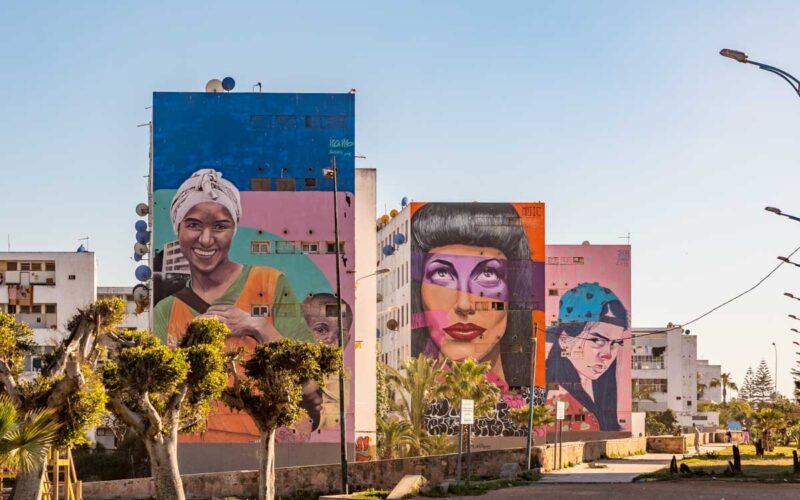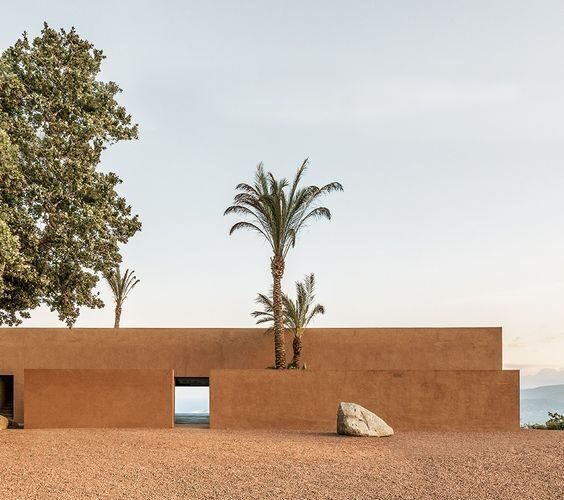

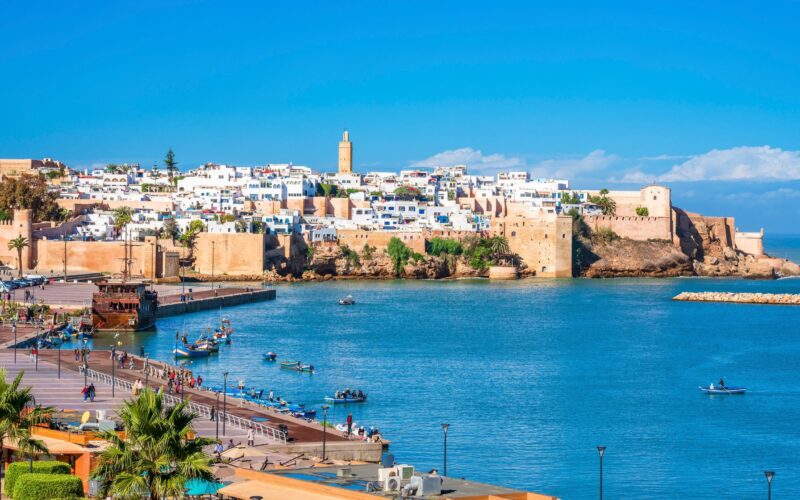
Cities today face numerous challenges, from rapid urban growth to environmental pressures such as climate change. Public spaces are areas that everyone can use and enjoy, including parks, squares, gardens, streets, and playgrounds. These spaces offer residents an opportunity to relax, connect with nature, and find relief from the intensity of urban life.
A well-designed multifunctional public space can play a key role in helping cities around the world, including those in Morocco, become more resilient while strengthening community engagement.
A multifunctional public space is a flexible and inclusive urban environment designed to accommodate diverse activities, strengthen social interaction, support environmental sustainability, and enhance a city’s resilience while expressing its cultural identity.
Public spaces play an important role in citizens’ lives. They bring people together, allowing individuals from different backgrounds to interact and build trust within their communities.
Multifunctional public spaces prioritize citizens by providing refuge during heat waves, playgrounds for children, comfortable seating, water features, and green infrastructure that supports biodiversity and environmental quality.
Around the world, several public spaces have successfully brought different communities together through unique architecture and thoughtful design.
Superkilen Park, Denmark
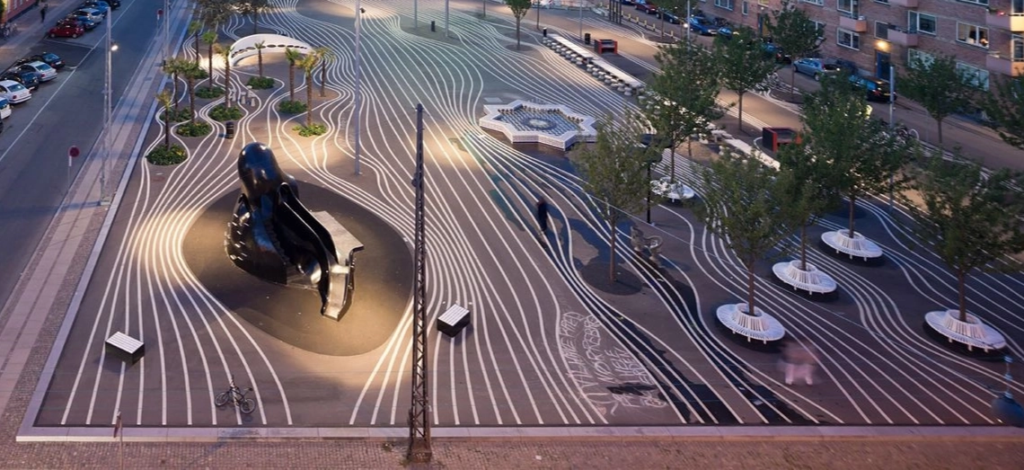
In 2012, in one of Denmark’s most ethnically diverse neighborhoods, architect Bjarke Ingels helped create Superkilen, a park nearly one mile long featuring a collection of objects sourced from more than 60 countries represented by local residents. These range from fitness equipment inspired by Muscle Beach in Los Angeles to palm trees imported from China.
With its vibrant colors, public art, and functional design, the park is organized into three main areas. The Red Square is designed for sports, cultural events, community gatherings, skateboarding, and recreation. Its bright red, orange, and pink surfaces create a strong visual identity.
The Black Market serves as a social meeting place, featuring seating areas, chess tables, and outdoor cafés. The Green Park offers a more natural landscape for picnics, walking, relaxation, and children’s play.
In Morocco, with the rapid growth of major cities such as Casablanca, Rabat, and Marrakesh, public spaces have become increasingly important for citizens seeking relief from the pressures of urban life. These spaces provide opportunities for social interaction, cultural activities, and contact with nature.
Arab League Park
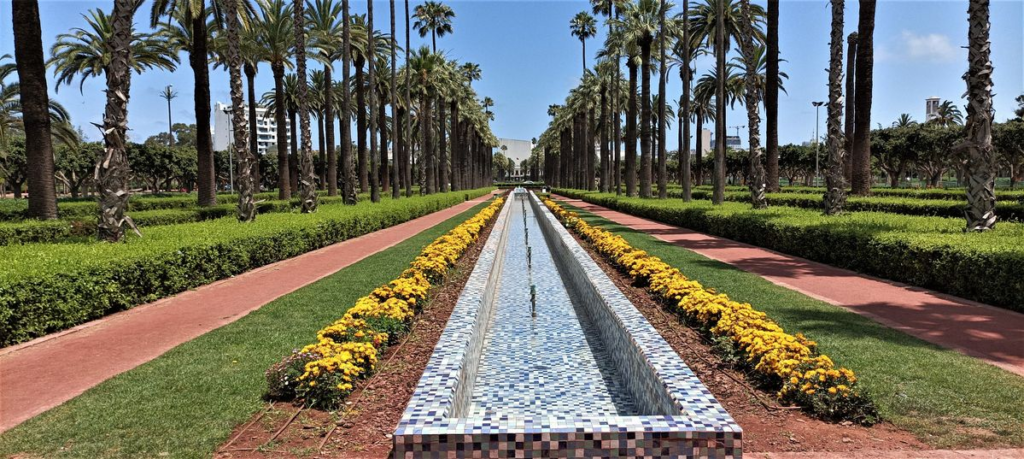
In the heart of Casablanca, Morocco’s largest city and economic capital, Arab League Park provides a valuable escape from the intensity of the urban environment.
Originally designed by French architect and urban planner Albert Laprade in the early 20th century, the park is known for its long, straight avenues, rows of tall palm trees, large lawns, landscaped gardens, and the central water feature that runs through the park.
Beyond its green spaces, Arab League Park includes sports paths, playgrounds, a skate park, cafés, kiosks, and gathering spaces for events and community activities.
The park offers residents and visitors a place to gather, relax, and enjoy fresh air within one of Morocco’s busiest urban centers.
Jemaa el-Fnaa
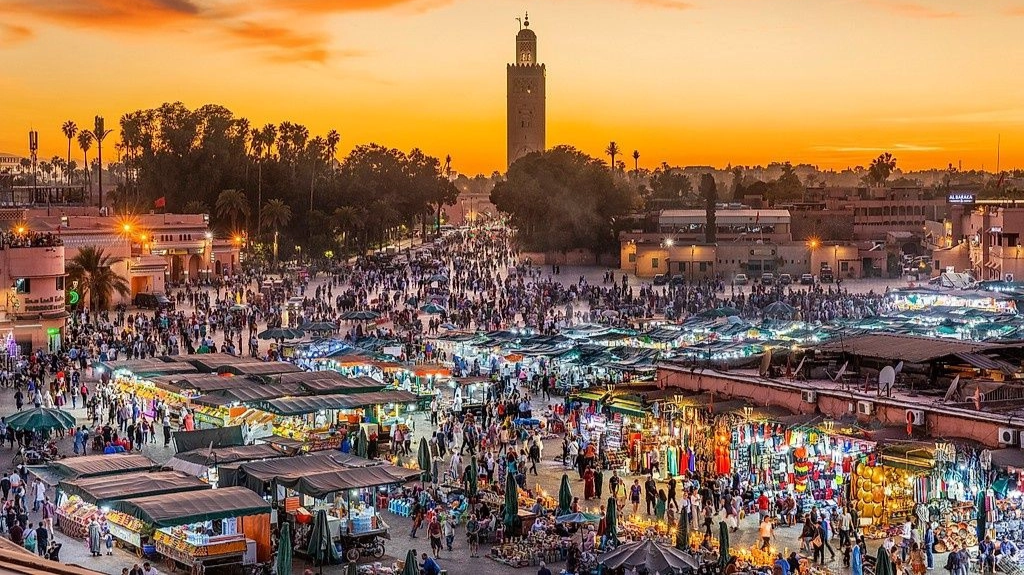
Located in the heart of Marrakech, Jemaa el-Fnaa is one of the most visited public spaces in Africa and a vibrant center of urban life.
The square serves as a major place of cultural exchange and public performance. Throughout the day, visitors encounter markets selling spices and traditional goods alongside herbalists, storytellers, musicians, and street performers. By evening, the square transforms into a large open-air dining space filled with food stalls and social activity.
The square offers a dynamic environment where locals and visitors can gather, socialize, and experience the cultural richness of Marrakech.
Multifunctional public spaces are essential tools for building resilient cities. They strengthen social connections, support cultural identity, improve environmental sustainability, and stimulate economic development.
By learning from successful international examples while respecting local culture and urban traditions, Morocco can create public spaces that not only improve daily life but also help cities adapt to future challenges.
Case Studies
A Deeper Look: The Role of Public Space in Casablanca’s Historic Centre
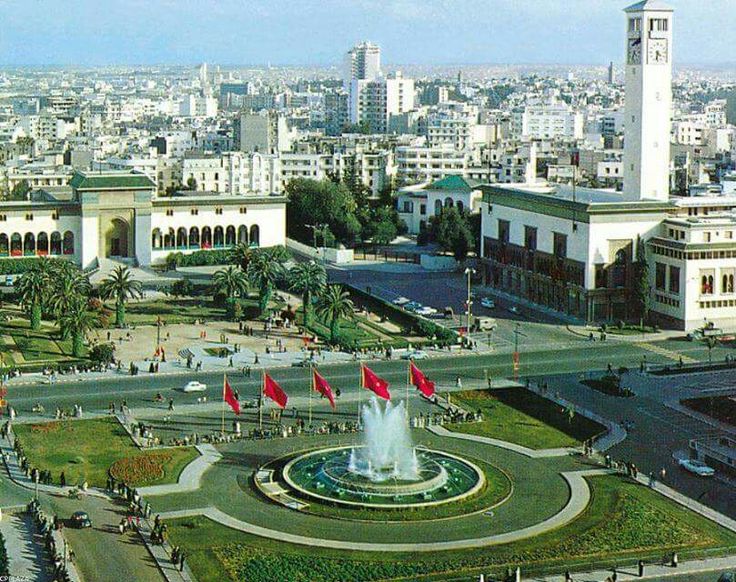
A particularly interesting example of urban resilience in Morocco can be found in Casablanca’s historic centre, where public spaces play a crucial role in connecting diverse communities and supporting daily urban life. The area surrounding Mohammed V Square, United Nations Square, and the pedestrian streets linking them functions as a network of multifunctional public spaces rather than isolated urban elements.
Every day, these spaces accommodate thousands of residents, workers, tourists, street vendors, and commuters. During periods of high temperatures, tree-lined avenues and shaded seating areas provide thermal comfort, while open plazas facilitate social interaction, cultural events, and public gatherings.
The concentration of public transport connections around these spaces also reduces dependence on private vehicles, contributing to a more sustainable urban environment. Recent rehabilitation projects have improved accessibility, walkability, and the quality of public amenities, demonstrating how investment in public space can strengthen social cohesion, economic activity, and environmental resilience simultaneously.
This case illustrates that resilient cities are not built through infrastructure alone but also through inclusive public spaces that adapt to the changing needs of urban populations.
A Critical Case Study: The Corniche of Ain Diab, Casablanca
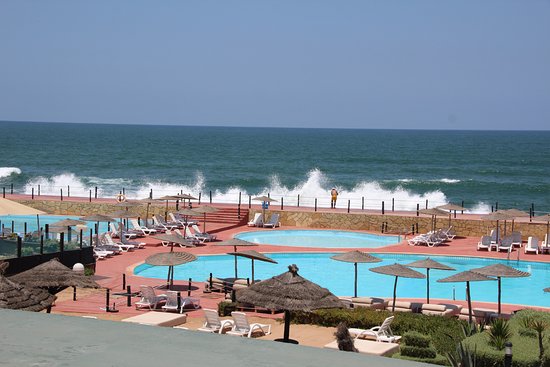
While Morocco has several successful public spaces, some urban areas demonstrate the challenges cities face in creating truly inclusive and resilient public environments. One example is the Corniche of Ain Diab in Casablanca.
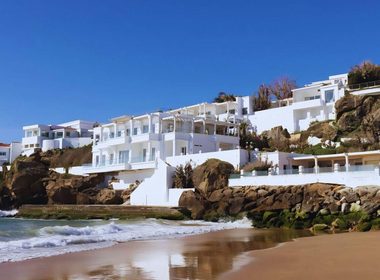
As one of the city’s most famous waterfront areas, the Corniche attracts thousands of visitors throughout the year because of its ocean views, beaches, restaurants, and leisure facilities. However, urban planners and residents have frequently criticized parts of the area for prioritizing commercial activities over public accessibility.
Large sections of the waterfront are occupied by private clubs, cafés, and commercial developments, limiting direct access to the coastline for many citizens. During weekends and summer months, heavy traffic congestion, overcrowding, and insufficient pedestrian infrastructure reduce the quality of the public experience.
In addition, the limited amount of shade and green infrastructure makes the space less comfortable during periods of extreme heat, a growing concern as climate change increases temperatures in Moroccan cities.
From an urban resilience perspective, the Corniche illustrates how a public space can lose part of its social and environmental value when commercial interests dominate public use. A resilient waterfront should serve all citizens regardless of income level, encourage walking and cycling, provide climate adaptation measures, and create spaces for community activities beyond consumption.
Several improvements could strengthen the Corniche’s role as a resilient public space. Increasing pedestrian-only zones, expanding green spaces and tree coverage, improving public transportation access, creating more free recreational facilities, and ensuring continuous public access to the waterfront would enhance inclusivity and environmental performance.
Integrating rainwater management systems, additional shaded seating areas, and community event spaces could further transform the Corniche into a multifunctional public space that better serves Casablanca’s growing population and future climate challenges.
last words
As Moroccan cities continue to grow and evolve, the role of public space will become increasingly important. Parks, squares, waterfronts, and streets are more than places of leisure; they are spaces where urban life unfolds, communities connect, and cultural identity is expressed.
The examples explored in this article demonstrate that resilient cities are not defined solely by their infrastructure or economic growth, but also by the quality of the spaces they offer their citizens. By investing in inclusive, multifunctional, and accessible public spaces, Moroccan cities have an opportunity to create healthier, more connected, and more resilient urban environments for future generations.
Ultimately, the success of a city can often be measured by the quality of its public spaces and the experiences they create for the people who use them every day.
Contribution: Hafsa Louzi