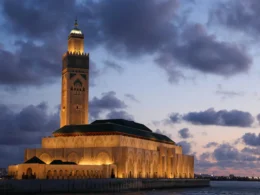

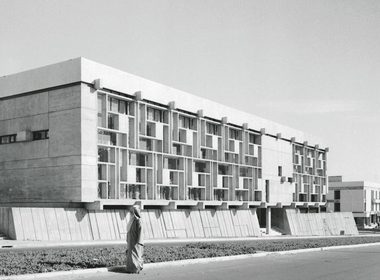
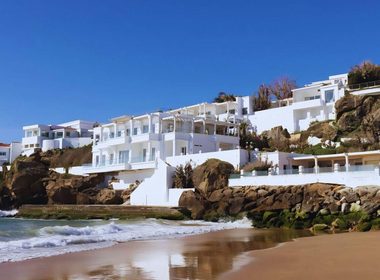
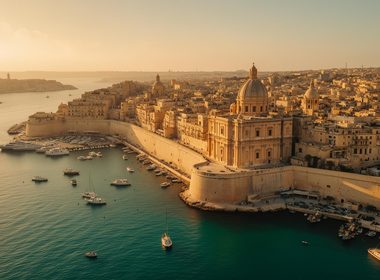
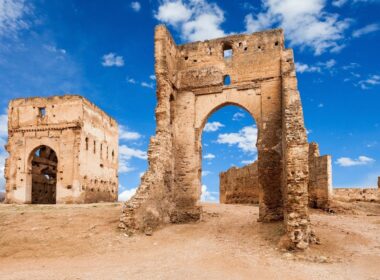
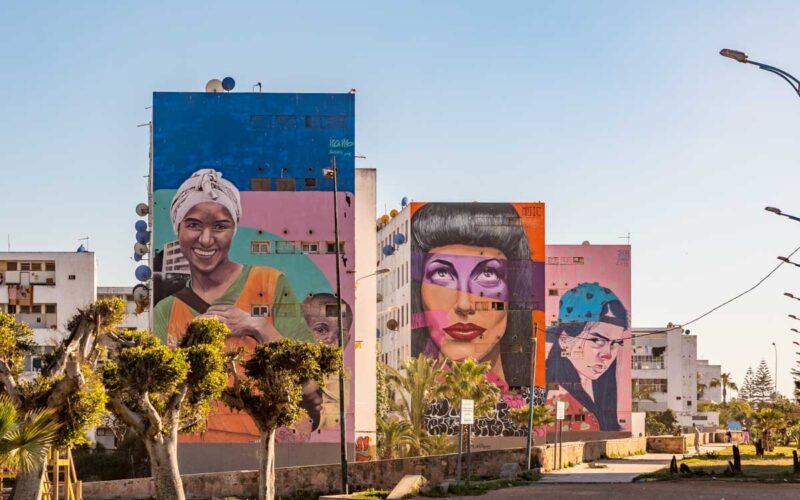
Moroccan cities have long been spaces where history, culture, and creativity intersect. From the intricate geometric patterns of traditional medinas to contemporary murals covering urban walls, art has become an essential element of Morocco’s public landscape. This art takes many forms, from murals, large-scale frescoes and football-inspired artworks to graffiti, calligraffiti, public sculptures, artistic installations, photography-based interventions, and creatively designed street furniture, these expressions contribute to transforming cities into dynamic cultural spaces. In recent years, urban art has evolved beyond decoration, serving as a tool for social dialogue, cultural preservation, and community engagement. Across cities such as Rabat, Casablanca, Marrakech, Tangier, and Essaouira, public art is reshaping how residents experience and interact with urban spaces.
Table of Contents
Urban Art as a Cultural Connector
Morocco’s urban environment reflects a rich blend of Amazigh, Arab, African, Andalusian, and Mediterranean influences. Public art has emerged as a powerful medium for expressing this multicultural identity. Murals, street installations, and community-based artistic projects bring local stories into public view, transforming ordinary walls into visual narratives that celebrate heritage and diversity.
Over the past decade, several Moroccan cities have embraced urban art festivals and public-art initiatives like JIDAR that invite both local and international artists to engage with communities. These projects have helped democratize access to culture by bringing art directly into the streets, making it part of everyday life rather than limiting it to galleries and museums.
Reclaiming Urban Spaces and Inspiring Communities
One of the most significant contributions of urban art in Morocco is its ability to reclaim and revitalize public spaces. Murals often transform neglected neighborhoods into vibrant cultural landmarks, fostering a sense of pride among local communities. These projects encourage residents to participate in shaping their environment and strengthen connections between people and place.
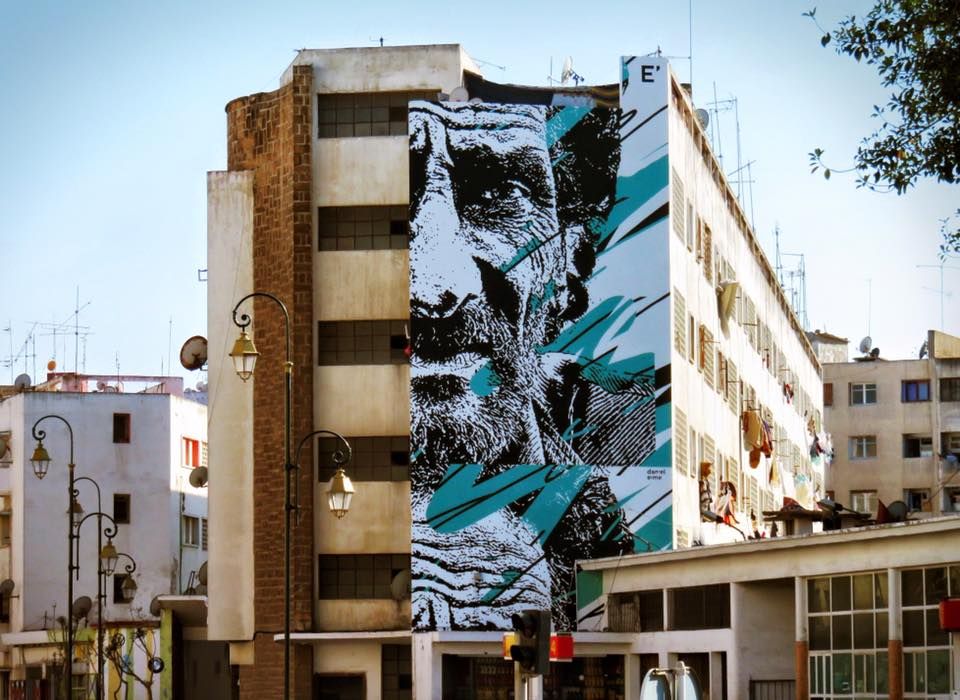
Beyond their aesthetic value, urban-art initiatives have an important social mission. Public spaces offer a unique opportunity to communicate positive messages that reach people from all backgrounds. Through images and visual storytelling, artists can promote values such as solidarity, environmental awareness, inclusion, education, and civic responsibility. In a world increasingly dominated by digital communication, murals remain powerful tools for creating direct and lasting connections with communities.
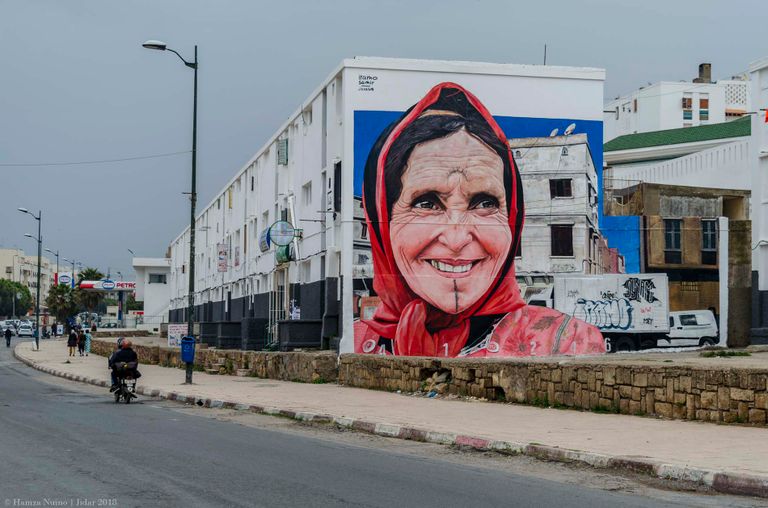
Urban art also has the capacity to inspire younger generations by presenting role models and stories of achievement in highly visible public spaces. A mural can become much more than a work of art, it can become a source of motivation and a reminder of what individuals and communities can accomplish.
Celebrating Excellence Beyond the Arts
While public art is often associated with cultural expression, it can also serve as a platform for recognizing individuals who have contributed to the advancement of society in other fields. Moroccan urban spaces offer an opportunity to celebrate scientists, writers, educators, innovators, athletes, and humanitarians whose achievements have shaped the country’s development and enriched its collective identity.
By honoring figures from science, literature, medicine, education, and research, urban art can help make knowledge more visible and accessible. Murals dedicated to intellectual and scientific achievements encourage curiosity and highlight the importance of learning, creativity, and innovation. They remind citizens that national progress is built not only through economic development but also through ideas, research, and cultural production.
In this sense, public art becomes a form of open-air education. It transforms city walls into spaces where history, knowledge, and inspiration coexist, allowing residents to discover and reconnect with personalities whose contributions deserve greater recognition.
Art in Moroccan Urban Spaces: Youth, and Creative Expression
Morocco’s young artists have played a crucial role in the growth of urban art. Street art offers emerging creators an opportunity to express themselves outside conventional institutions while engaging directly with local communities. Through murals, graffiti, and contemporary public installations, young artists contribute fresh perspectives to the urban landscape and encourage conversations about identity, belonging, and the future of Moroccan cities.
This growing movement, that started with The Collective Street Exhibition in Jemaa el-Fnaa Square in Marrakech in 1969 by the artists of Casablanca Art School, also reflects the increasing recognition of creative industries as drivers of social and economic development. Public-art projects often create opportunities for collaboration between municipalities, cultural organizations, schools, and local residents, generating positive impacts that extend beyond the artistic sphere.
Football, National Identity, and Urban Art
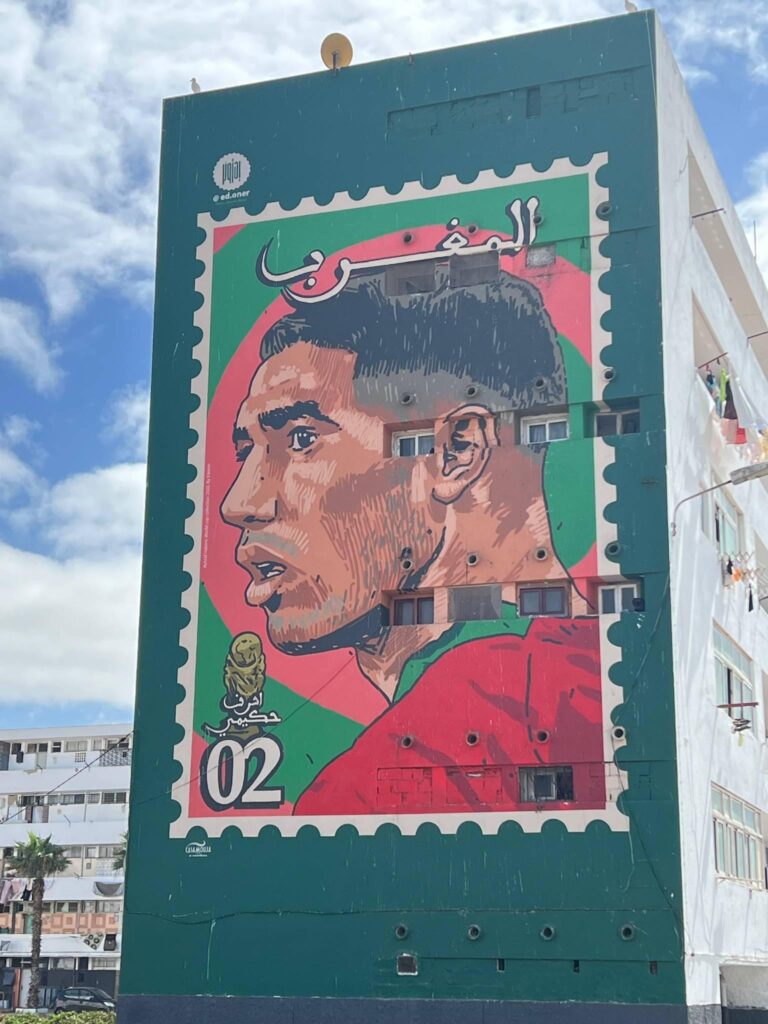
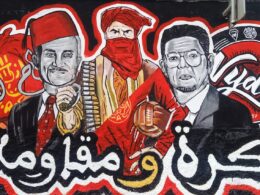
The relationship between urban art and football has become increasingly visible in Morocco, particularly following the historic achievements of the Moroccan national team. The Atlas Lions‘ remarkable journey during the 2022 FIFA World Cup inspired a wave of murals and public artworks across the country. Walls in Casablanca, Rabat, Tangier, Fez, and other cities became canvases celebrating players, coaches, and moments that united the nation.
These artworks go beyond commemorating sporting success. They reflect a collective sense of pride and belonging, portraying football as a cultural phenomenon capable of bringing together people from different backgrounds around a shared national story. Murals featuring players such as Achraf Hakimi, Yassine Bounou, Sofyan Amrabat, and other members of the national team have become symbols of perseverance, ambition, and excellence.
The announcement that Morocco will co-host the 2030 FIFA World Cup has further strengthened the connection between urban art and public space. As preparations continue, artists are increasingly exploring themes related to hospitality, cultural exchange, diversity, and national ambition. Football-inspired murals now coexist with artworks highlighting Morocco’s history, traditions, architecture, and creative spirit.
This moment presents an opportunity to think about the legacy that public art can leave behind. While celebrating sporting achievements is important, urban-art initiatives linked to the World Cup could also highlight Moroccan figures from science, literature, education, environmental activism, and entrepreneurship. By combining tributes to athletes with recognition of scholars, researchers, writers, and innovators, public art can offer a more complete portrait of Moroccan excellence.
Such an approach would reinforce the idea that success takes many forms and that every field of achievement contributes to the country’s development. It would also ensure that the visual transformation accompanying the World Cup leaves a lasting cultural and educational impact long after the tournament has ended.
LAST WORDS
Art has become an increasingly important component of Moroccan urban life. By transforming public spaces, encouraging dialogue, and strengthening community identity, urban art contributes to more vibrant and inclusive cities. Beyond beautification, it serves as a vehicle for positive messages, education, and inspiration.
The growing presence of football-inspired murals demonstrates how artistic expression can capture moments of collective pride and translate them into lasting cultural symbols. At the same time, urban art has the potential to celebrate the many individuals who contribute to Morocco’s progress in fields such as science, literature, education, and innovation. As Morocco prepares for the 2030 FIFA World Cup, the intersection of art, urban development, and national identity offers a unique opportunity to create public spaces that not only celebrate achievements but also inspire future generations.