



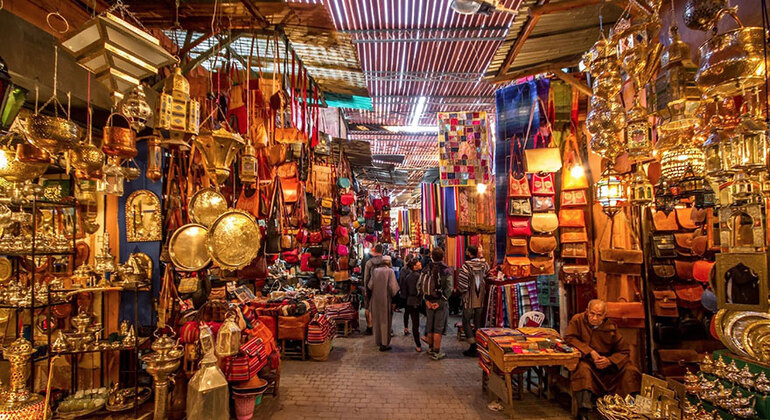
Walk through the winding streets of Fez, wander through the artisan workshops of Marrakech, or visit a pottery studio in Safi, and one thing quickly becomes apparent: sustainability has long been part of Moroccan craftsmanship. Not because artisans sought to follow environmental movements or international certifications, but because creating responsibly was simply the natural way of working.
Long before terms such as slow design, circular economy, and sustainable architecture entered contemporary design discourse, Moroccan craftsmen were building with local materials, repairing instead of replacing, and passing knowledge from one generation to the next. Every object carried the value of time, skill, and resources, qualities that stand in sharp contrast to today’s culture of mass production and disposable consumption.
Yet Morocco’s story is not one of isolated innovation. Like every great craft tradition, Moroccan craftsmanship evolved through centuries of cultural exchange while remaining deeply rooted in its own landscapes and identity. Understanding why it remains one of the world’s most remarkable examples of sustainable craftsmanship requires looking beyond Morocco itself and exploring the broader history of artisanal traditions.
Table of Contents
Craftsmanship: Humanity’s First Sustainable Practice
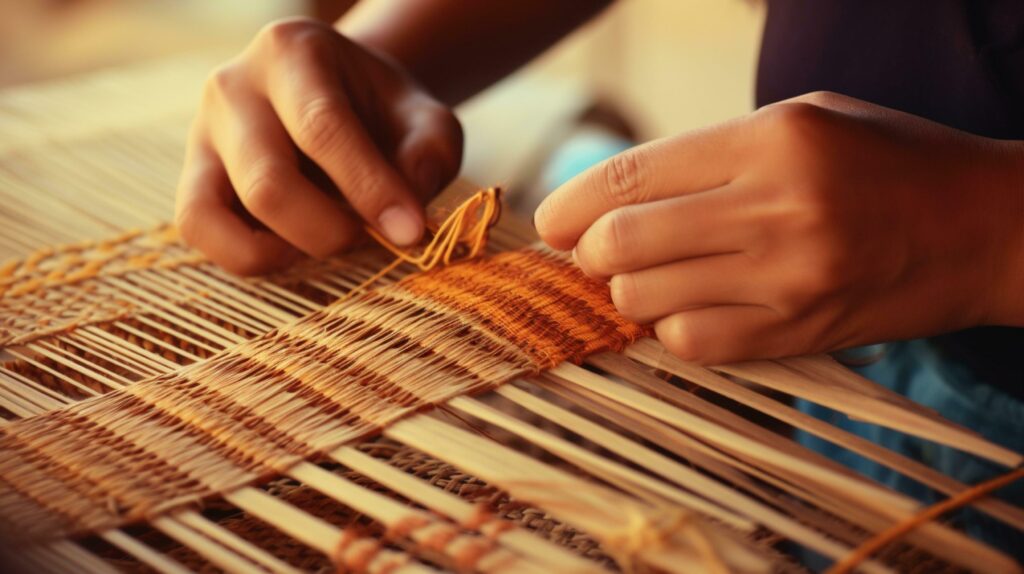
Long before industrialization transformed the way we manufacture objects, every civilization relied on craftsmanship to meet its daily needs. Whether in China, India, Persia, Japan, or Morocco, artisans worked with the materials their environments naturally provided. Clay became pottery, timber became furniture, wool became textiles, and natural pigments brought color to everyday life.
There was no concept of sustainability as we know it today. Instead, sustainability emerged naturally from necessity. Resources were valuable, transportation was limited, and every material had to be used wisely. Objects were designed to last for decades, repaired when damaged, and often passed down through generations.
Although these traditions developed independently, they gradually became connected through trade routes, migration, and cultural exchange, allowing techniques and ideas to travel across continents while adapting to local contexts.
Different Cultures, One Shared Philosophy
Across the world, civilizations developed their own approaches to craftsmanship, each reflecting their geography, available materials, and cultural values.
In Japan, craftsmanship became closely associated with longevity and respect for objects. Traditional woodworking techniques required extraordinary precision while minimizing waste, and the philosophy of Kintsugi transformed broken ceramics into beautiful pieces repaired with gold, celebrating imperfection rather than concealing it.
In China, artisans demonstrated remarkable mastery over renewable materials. Bamboo, one of the fastest-growing plants on Earth, became furniture, baskets, architectural elements, and everyday objects, while silk weaving, porcelain, and handmade paper reflected centuries of technical refinement.
India developed one of the world’s richest textile traditions through handloom weaving, block printing, and natural dyes extracted from plants such as indigo, turmeric, and madder. These techniques continue to support artisan communities while maintaining relatively low environmental impact.
Meanwhile, Persia became renowned for creating objects designed to endure for generations. From hand-knotted carpets to intricate metalwork and ceramics, Persian craftsmanship emphasized durability, patience, and meticulous attention to detail, principles that remain central to sustainable design today.
Although each culture expressed craftsmanship differently, they all shared one common philosophy: respect for materials, skilled human labor, and the belief that quality should outlast trends.
Morocco: A Crossroads of Civilizations
Morocco belongs among these great craft traditions, but its uniqueness lies elsewhere.
Rather than claiming to have invented every technique associated with its artistic heritage, Morocco’s greatest strength has always been its ability to absorb, reinterpret, and preserve centuries of knowledge while developing a distinct identity of its own.
Positioned between Africa and Europe, and connected to both the Mediterranean and the trans-Saharan trade routes, Morocco became one of history’s great cultural crossroads. Indigenous Amazigh traditions formed the foundation of its craftsmanship long before the arrival of Arab-Islamic influences. Later, centuries of exchange with the wider Islamic world enriched Moroccan artistic vocabulary without erasing its local character.
Perhaps the most significant chapter in this story was the close relationship between Morocco and Al-Andalus.
Rather than existing as two separate artistic worlds, Morocco and Al-Andalus shared centuries of political, cultural, and artistic exchange. During the Almoravid and Almohad dynasties, both originating in present-day Morocco, architects, artisans, mathematicians, and craftsmen worked across a unified western Islamic world that extended on both sides of the Strait of Gibraltar.
Many of the architectural forms now associated with the so-called Moorish style matured within this shared cultural sphere. Following the fall of Al-Andalus, many Muslim and Jewish artisans settled permanently in Moroccan cities such as Fez, Tetouan, Rabat, and Salé, where these traditions continued to evolve for centuries.
Morocco therefore wasn’t just a recipient of artistic knowledge, but one of its principal contributors and enduring guardians.
Designing with the Landscape
One of the defining characteristics of Moroccan craftsmanship is its close relationship with the country’s geography.
The cedar forests of the Middle Atlas provide timber renowned for its durability and fragrance, making it one of the most valued materials in Moroccan architecture and furniture. The clay-rich regions of Fez and Safi continue to produce ceramics celebrated around the world, while limestone, gypsum, marble, and natural pigments contribute to the country’s remarkable architectural diversity.
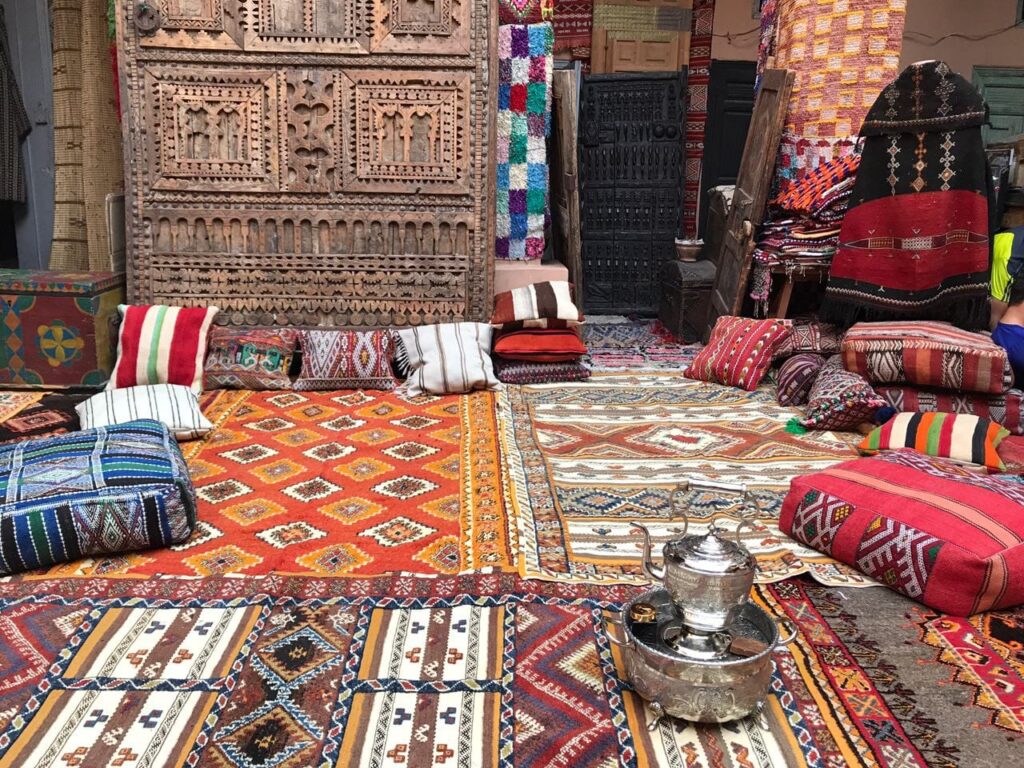
Across the Atlas Mountains, sheep’s wool becomes the foundation of Amazigh carpets and textiles, while palm leaves harvested from southern oases are transformed into baskets, lampshades, and woven furniture.
By relying primarily on local resources, Moroccan artisans have long practiced what contemporary designers now describe as regional sourcing, a strategy that reduces transportation, strengthens local economies, and maintains a close connection between design and landscape.
Handmade by Choice, Not by Convenience
Perhaps the most sustainable aspect of Moroccan craftsmanship is not the materials themselves, but the way they are transformed.
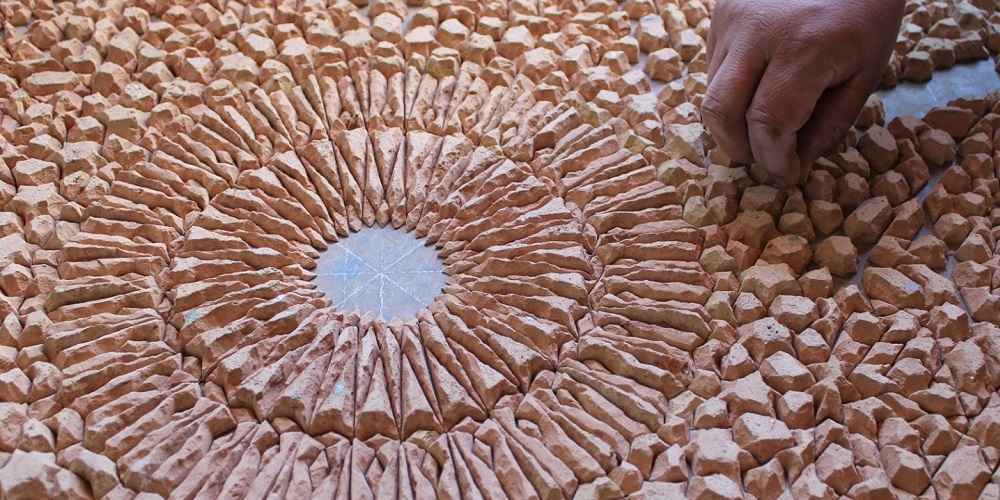
Unlike industrial manufacturing, traditional Moroccan workshops continue to rely primarily on human skill. A single zellige artisan spends years mastering the precision required to hand-cut each ceramic tile before assembling intricate geometric compositions. Woodcarvers patiently sculpt Atlas cedar into doors, ceilings, and furniture. Potters shape clay using techniques refined over generations, while metalworkers hammer brass and copper into decorative lighting and tableware.
These processes consume relatively little industrial energy compared to automated production, while creating objects whose individuality cannot be replicated by machines.
Each handcrafted piece carries the subtle imperfections that reveal the human hand behind its creation, qualities increasingly valued in contemporary interior design.
Craftsmanship That Embraces Circular Thinking
One of the most remarkable aspects of Moroccan craftsmanship is how naturally it aligns with the principles of today’s circular economy.
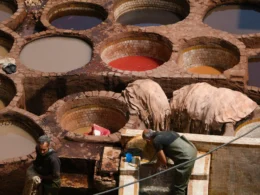
Wood offcuts often become smaller decorative objects rather than waste. Leather remnants are transformed into wallets, pouches, or accessories. Copper and brass are melted and reused. Damaged furniture is repaired instead of discarded, while handcrafted rugs frequently remain within families for generations, restored whenever necessary.
These practices were never introduced as environmental strategies. They simply reflected a culture in which materials were respected and craftsmanship represented both economic and cultural value.
In many ways, contemporary sustainability is rediscovering principles that Moroccan artisans have quietly practiced for centuries.
The Crafts That Continue to Define Morocco
Some of Morocco’s most celebrated crafts illustrate this philosophy particularly well.
Zellige, although rooted in broader Islamic and Mediterranean traditions, reached an extraordinary level of refinement in Morocco. Each tile is individually hand-cut before being assembled into complex geometric compositions that combine mathematics, craftsmanship, and artistry.
Tadelakt, by contrast, represents one of Morocco’s truly unique contributions to architectural craftsmanship. Originating in the Marrakech region, this polished lime plaster creates naturally waterproof surfaces using mineral-based materials and traditional finishing techniques, making it as relevant to contemporary sustainable architecture as it was centuries ago.
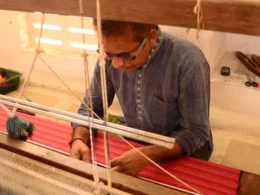
Amazigh weaving transforms locally sourced wool into rugs whose geometric motifs tell stories of identity, family, and landscape. Unlike many decorative textiles produced for royal courts elsewhere, Amazigh carpets reflect personal expression, regional traditions, and everyday life.
Moroccan leatherwork, wood carving, pottery, brasswork, and woven Sabra silk and palm crafts, all share the same underlying philosophy: creating objects that combine functionality, beauty, and longevity.
Lessons for Contemporary Design
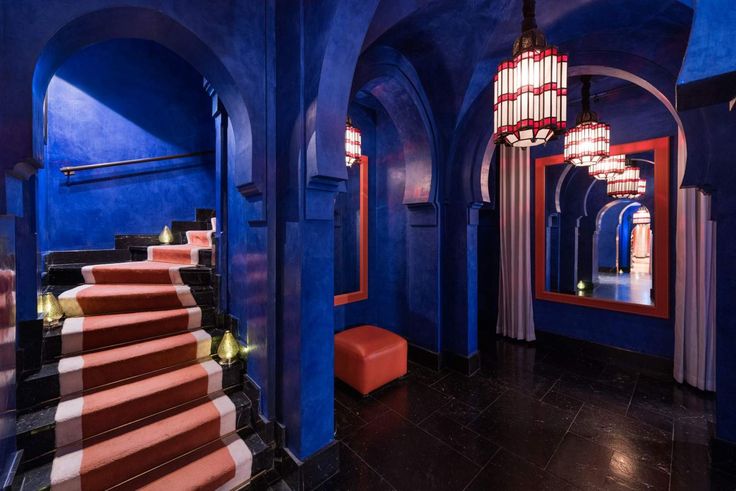
As architects and interior designers increasingly seek environmentally responsible materials, traditional Moroccan craftsmanship offers more than aesthetic inspiration, it provides a design philosophy.
Natural materials age gracefully rather than becoming obsolete. Handmade objects encourage emotional attachment, reducing the desire for constant replacement. Regional production strengthens local economies while minimizing transportation. Repair remains part of an object’s life cycle rather than the end of it.
These are not new ideas. They are principles embedded within Moroccan craftsmanship for centuries.
Rather than looking exclusively toward emerging technologies, the design industry may find some of its most valuable lessons in workshops where artisans continue to work much as their ancestors once did.
Preserving More Than Craftsmanship
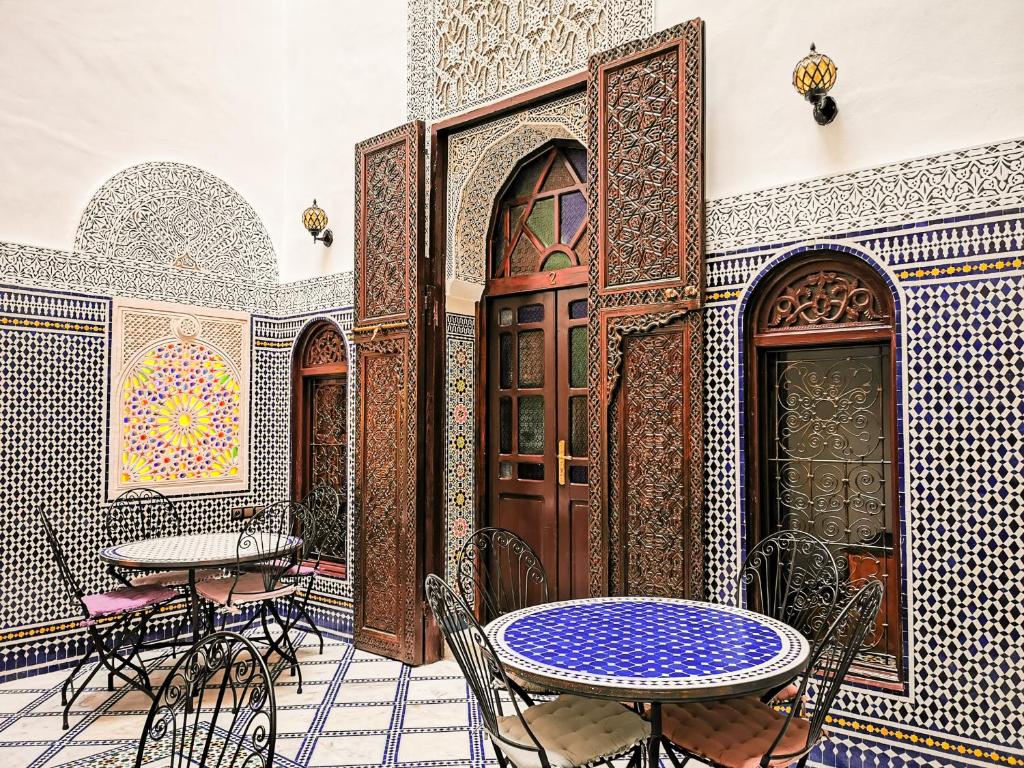
Supporting Moroccan artisans means preserving far more than beautiful objects.
It protects centuries of accumulated knowledge, sustains local communities, encourages responsible use of natural resources, and safeguards cultural identities that continue to shape Morocco’s architectural and artistic landscape.
Every handcrafted tile, woven rug, carved cedar door, or polished tadelakt wall reflects a dialogue between people, place, and material, a dialogue that has endured for generations.
In an age increasingly defined by speed and mass production, Moroccan craftsmanship reminds us that true sustainability is not simply about reducing environmental impact. It is about creating objects with purpose, respecting the resources from which they are made, and designing with the intention that they will be valued long after they leave the artisan’s workshop.
Perhaps that is why Moroccan craftsmanship remains so relevant today. It does not ask us to reinvent sustainability, it simply reminds us of what sustainable living has always looked like.
Carrying the Legacy Forward
Morocco’s craftsmanship has endured for centuries because every generation chose to learn, preserve, and pass it on. Today, that responsibility belongs to a new generation of artisans, designers, architects, and creatives. By embracing traditional techniques while exploring contemporary ideas, young Moroccans have the opportunity to ensure that this remarkable heritage continues to evolve rather than fade. Supporting craftsmanship is not only about preserving the past, it’s about shaping a more sustainable and culturally rich future.