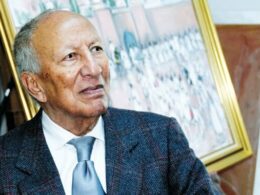

Before Morocco became known for its contemporary design movement, there was Elie Azagury, a visionary who believed architecture could become a language of independence. More than an architect, Azagury was a cultural force who helped redefine how Morocco would build, live, and express itself after 1956. His work fused international modernism with Moroccan identity, proving that progress did not require abandoning tradition.
Today, his buildings remain among Casablanca’s most important modernist landmarks, while his ideas continue to influence architects, artists, and designers seeking a distinctly Moroccan creative voice.
Table of Contents
The First Moroccan Modernist
Born in Casablanca in 1918 into a Moroccan Jewish family, Elie Azagury grew up in a city undergoing rapid transformation under the French Protectorate. With no architecture school in Morocco at the time, he left for Paris in 1937 to study at the École des Beaux-Arts, where he trained under influential architects including Auguste Perret. During World War II, his journey became one of resilience, escaping Nazi-occupied France before eventually completing his education.
His experiences abroad shaped his architectural philosophy. In Sweden, while working with architect Ralph Erskine, he absorbed Scandinavian functionalism, and his encounters with figures such as Richard Neutra, Frank Lloyd Wright, and Le Corbusier expanded his understanding of how architecture could respond to both people and place.
When Azagury returned to Casablanca in 1949, he brought home more than technical expertise, he returned with a vision for a modern Morocco.
Designing a Nation After Independence
Morocco’s independence in 1956 marked a turning point not only politically, but culturally. Azagury became the leader of the Groupe des Architectes Modernes Marocains (GAMMA), making him the first Moroccan architect to guide the country’s leading modernist movement after years of European dominance.
His greatest contribution was challenging colonial assumptions about Moroccan urban life.
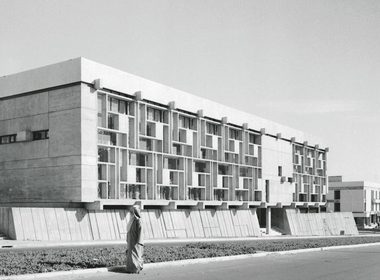
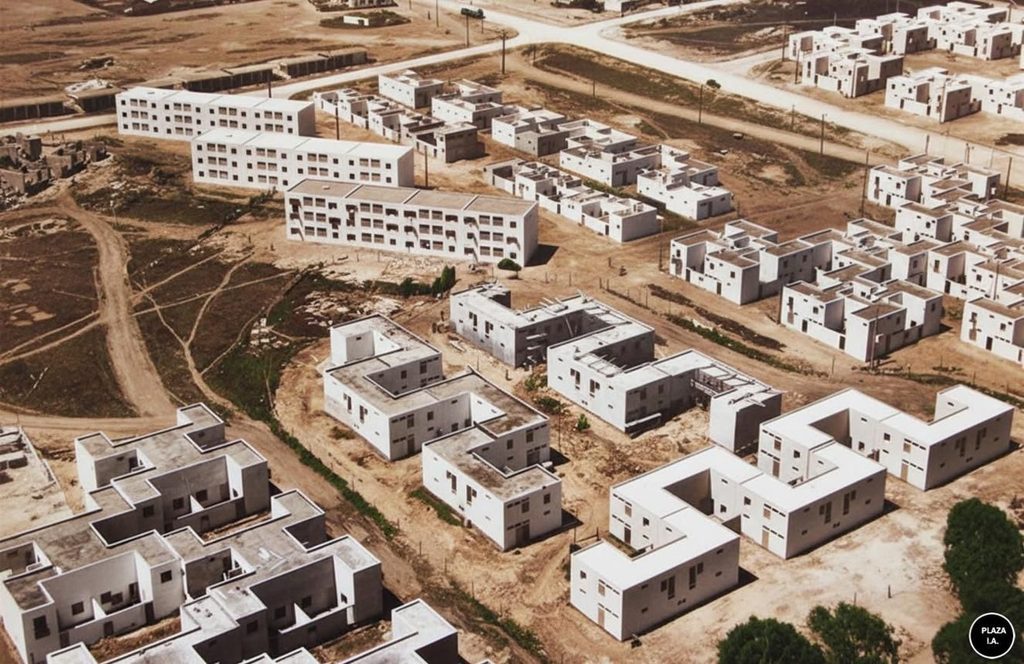
At the time, many planners believed Moroccans were unsuited to apartment living. Azagury rejected this idea, arguing that vertical housing was not only practical but essential for an expanding nation. His Derb Jdid housing project in Hay Hassani became one of independent Morocco’s first large-scale social housing developments, combining modern construction with layouts that respected Moroccan family life and community traditions.
Rather than copying European models, he adapted them.
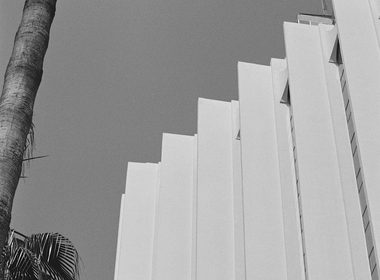
His buildings embraced concrete, modular design, and clean geometric forms while responding to Morocco’s climate through shaded spaces, courtyards, and thoughtful circulation. This balance between innovation and cultural sensitivity became one of his defining signatures.
Casablanca: A Living Museum of His Vision
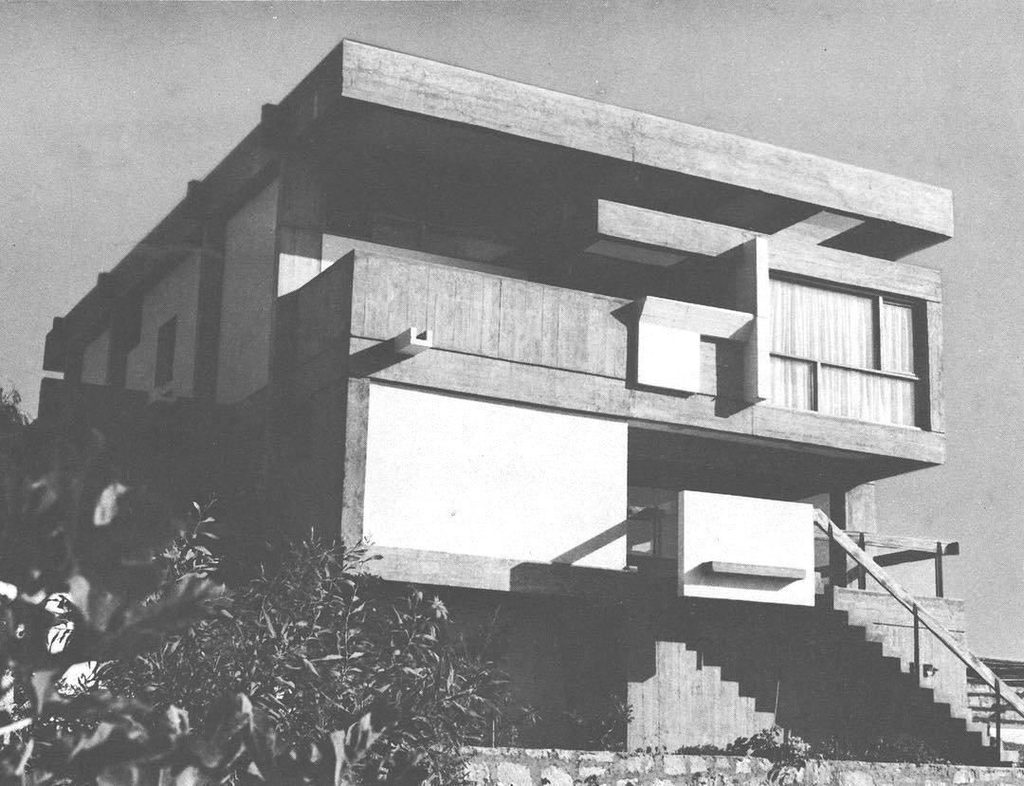
Walking through Casablanca today means walking through Azagury’s legacy.
Among his most celebrated works are:
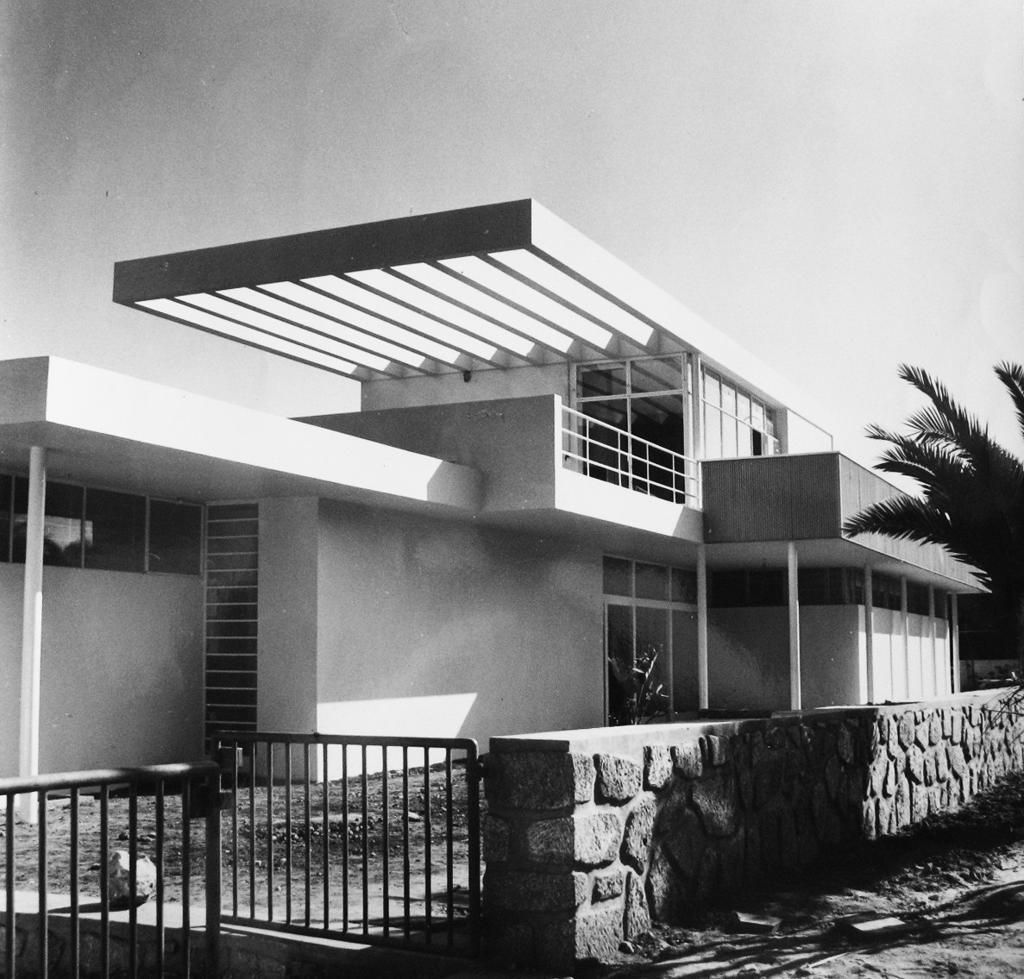
- Villa Schulmann (1951): A masterpiece of Moroccan modernist residential architecture that showcased elegant functionalism.
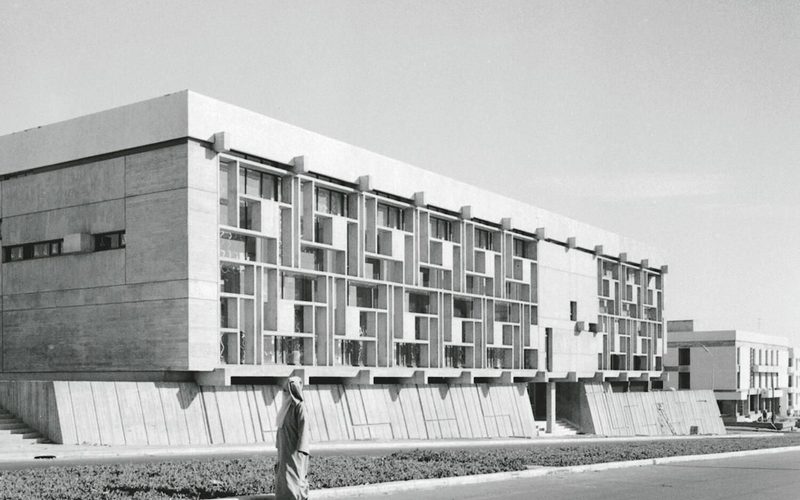
- Azagury House (1962): His own Neo-Brutalist residence, considered a manifesto of his architectural philosophy.
- Roches Noires School: A remarkable educational complex whose sculptural forms subtly echo Amazigh desert tents.
- Hay Hassani Housing: A pioneering example of socially responsible urban planning.
Each project demonstrated that modern architecture could speak with a Moroccan accent.
Rebuilding Agadir with Hope
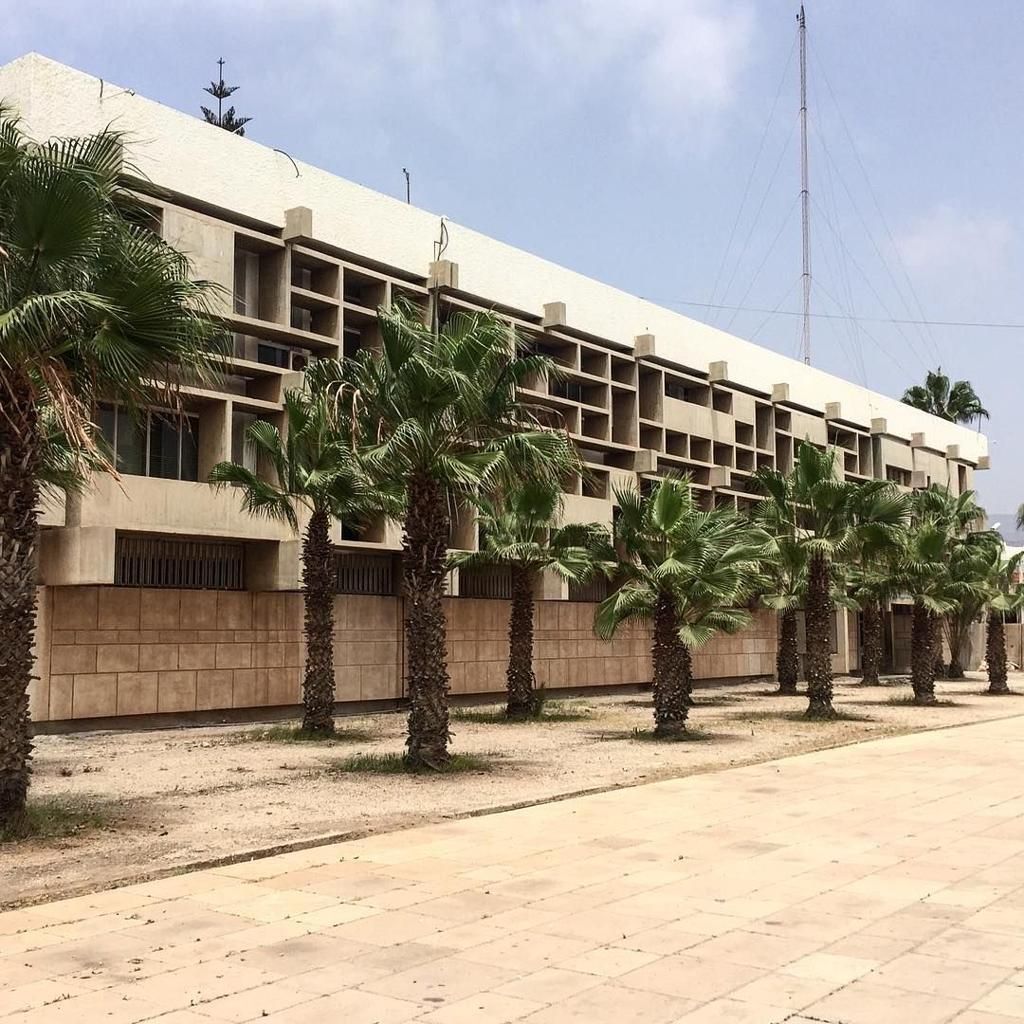
After the devastating 1960 earthquake destroyed much of Agadir, Azagury joined fellow architect Jean-François Zevaco in one of Morocco’s most ambitious reconstruction efforts.
For Azagury, rebuilding was never simply about replacing buildings.
He believed architecture could help communities heal. His post-earthquake designs emphasized strength, permanence, and confidence, qualities he felt survivors deserved after unimaginable loss. The reconstruction became a defining chapter in Morocco’s modern architectural history and established Agadir as one of North Africa’s most significant examples of post-war modernism.
Architecture as Cultural Expression
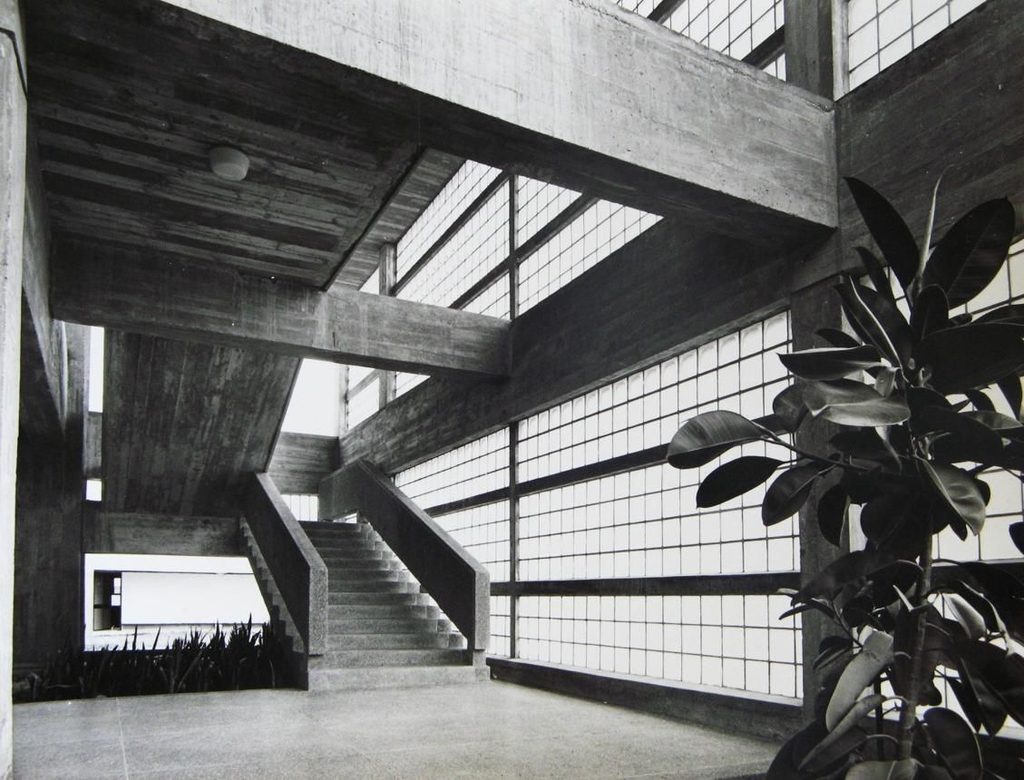
Azagury’s influence extended beyond buildings.
He viewed architecture as part of Morocco’s broader artistic identity.
His friendships with artists, writers, and intellectuals—including Jacques Prévert, Fernand Léger, and Georges Braque during his years in Paris—reinforced his belief that creative disciplines should inspire one another.
This interdisciplinary mindset helped shape a new generation of Moroccan creatives who saw architecture not as isolated construction, but as part of a larger cultural conversation involving design, visual arts, and public life.
His work demonstrated that:
- simplicity could be expressive,
- concrete could become sculptural,
- and modernism could remain deeply rooted in local culture.
Building the Profession Itself
Azagury’s legacy also lies in the institutions he helped create.
In 1958, he founded the Moroccan Order of Architects, becoming its first president and helping establish professional standards for the country’s architectural practice during its formative years as an independent nation.
This leadership ensured that Moroccan architects would increasingly shape Morocco’s future themselves rather than relying on colonial structures.
Why Elie Azagury Still Matters
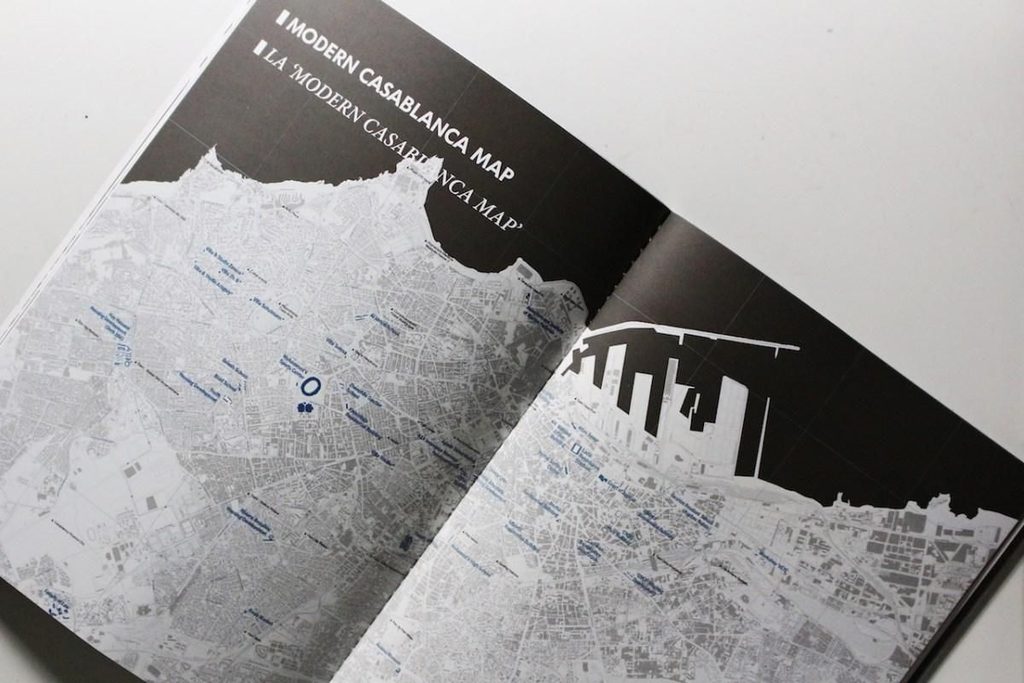
In recent years, organizations such as MAMMA (Mémoire des Architectes Modernes Marocains) have renewed attention to Azagury’s work, advocating for the preservation of Morocco’s modern architectural heritage.
His influence can be seen in today’s architects who continue exploring the intersection of heritage and innovation, a defining characteristic of contemporary Moroccan design.
As Morocco positions itself as a global creative hub, Azagury’s philosophy feels more relevant than ever.
He understood something timeless: true modernity is not about imitating the world, it is about expressing your own identity with confidence.
A Legacy Written in Concrete
Elie Azagury did not simply design buildings.
He designed possibilities.
He transformed Casablanca into a laboratory of Moroccan modernism, helped rebuild Agadir after tragedy, championed affordable housing with dignity, and established institutions that empowered future generations of architects. Most importantly, he proved that architecture could become an art form capable of reflecting an independent nation’s ambitions.
His legacy lives on in Morocco’s skylines, public spaces, and creative culture, a reminder that the strongest foundations are not always made of concrete alone, but of vision.