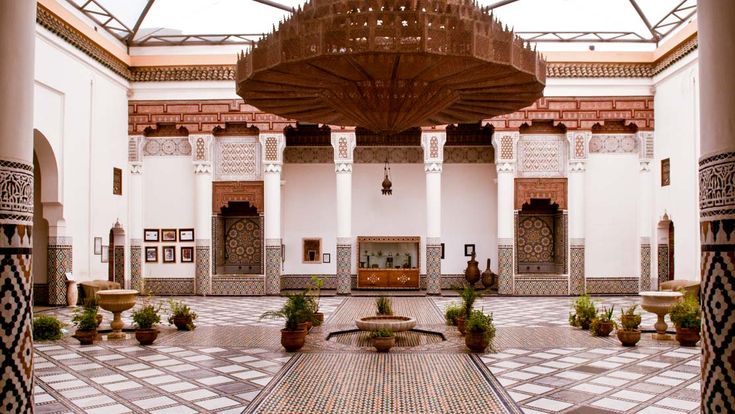



From 5 to 7 October 2026, Casablanca became a meeting point for designers, artists, architects, artisans and international design houses, as the inaugural edition of Morocco Design brought contemporary creativity into the heart of the city. More than a series of exhibitions, the event opened a conversation about Moroccan identity, craftsmanship, innovation and the place of design in everyday life.
Table of Contents
When a City Becomes a Design Destination
Design is much more than the objects that furnish our homes or the buildings that shape our cities. It is a language through which societies express their identity, preserve their heritage, respond to changing lifestyles and imagine the future.
This understanding was at the heart of Morocco Design, a new cultural platform that brought together Morocco’s creative community in Casablanca from 5 to 7 October 2026. Across showrooms, galleries, ateliers, hospitality spaces and remarkable architectural settings, the inaugural edition offered a rich programme of exhibitions, installations, workshops, guided visits and conversations.
Conceived by Hanane El Moutii, founder of the communications and public relations agency Éclat, Morocco Design set out to give greater visibility to contemporary Moroccan design while encouraging meaningful exchanges between local talent and the international creative industry. Its central ambition was particularly relevant: to build on Morocco’s extraordinary artistic and artisanal heritage while creating space for new ideas, new practices and new generations of designers.
What made the initiative especially interesting was its format. Rather than concentrating the entire programme in a conventional exhibition hall, Morocco Design unfolded across Casablanca, inviting visitors to move through the city and discover creativity in different contexts. Each location offered a different perspective on the relationship between design, art, architecture, materials and daily life.
The city itself became part of the experience.
A Dialogue Between Heritage and Contemporary Design
Morocco has long possessed the foundations of a distinctive design culture. From the intricate geometry of zellige and the tactile richness of woven textiles to ceramics, carved wood, metalwork, traditional plasterwork and architectural ornament, the country’s craftsmanship reflects generations of accumulated knowledge.
Yet the challenge facing contemporary Moroccan design is not simply to preserve these traditions. It is to ensure that they remain relevant, adaptable and alive.
Morocco Design approached this challenge by bringing traditional techniques into conversation with contemporary forms, materials and ways of living. The result was a programme that recognised heritage not as something frozen in time, but as a source of inspiration for ongoing experimentation.
The event also demonstrated that Moroccan design cannot be reduced to a single aesthetic. It encompasses a broad range of approaches, from the reinterpretation of artisanal techniques to sculptural furniture, experimental installations, contemporary art, interior architecture and innovative product design.
This diversity is important. A confident design culture allows creators to draw from their cultural roots while developing individual visual languages that respond to the present.
The dialogue between Moroccan and international design houses further enriched this perspective. International brands brought their own histories of research, craftsmanship and industrial innovation, while Moroccan artists and designers introduced perspectives shaped by local materials, cultural references and creative sensibilities.
Rather than presenting these worlds as separate, Morocco Design created opportunities for them to meet.
Three Days of Encounters, Ideas and Creative Discovery
The programme unfolded over three days, with activities distributed across some of Casablanca’s most interesting creative and architectural spaces. Each day offered different ways to engage with design, whether through direct encounters with designers, the discovery of new collections or conversations about the business and cultural dimensions of creative work.
5 October: Exploring the Relationship Between Craft and Innovation
The opening day established one of the event’s defining themes: the relationship between traditional craftsmanship and contemporary design.
At Flexform Casablanca, presented by JK Contracting, an interactive zellige demonstration by The Zellijist and Saad Filali highlighted the precision, patience and technical knowledge behind one of Morocco’s most recognisable decorative traditions. By bringing the craft into a contemporary furniture showroom, the demonstration encouraged visitors to consider how an established artisanal practice can interact with modern interiors.
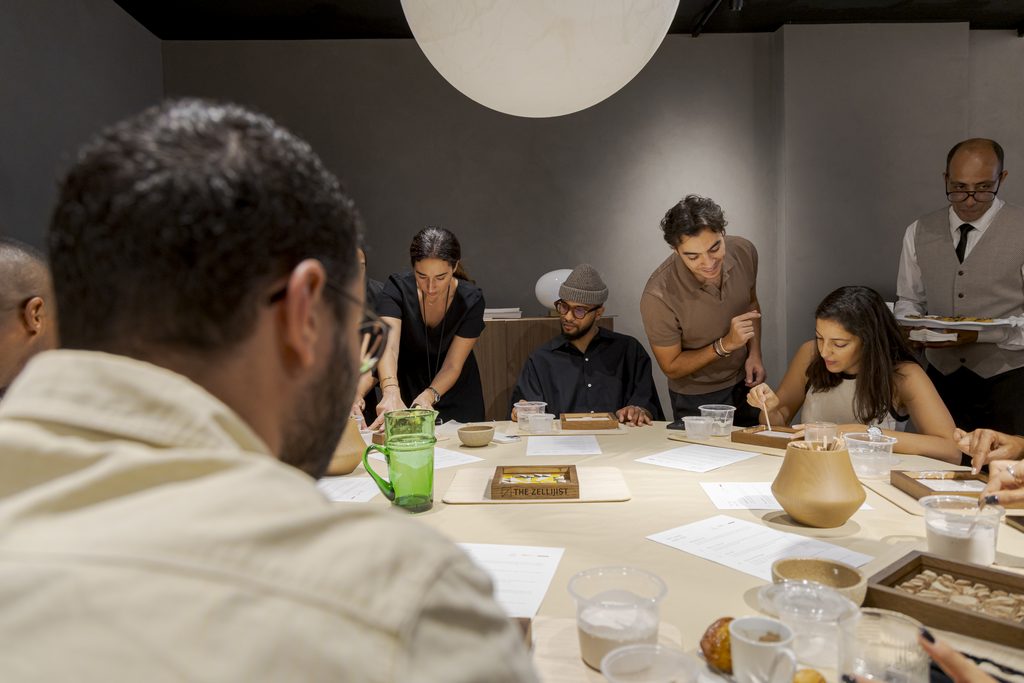
Textiles formed another important part of the programme. At the Moroso and Kettal spaces, a workshop associated with Kvadrat explored the transformation of fibres into finished products, offering insight into the materials and processes that shape contemporary furniture and interiors.
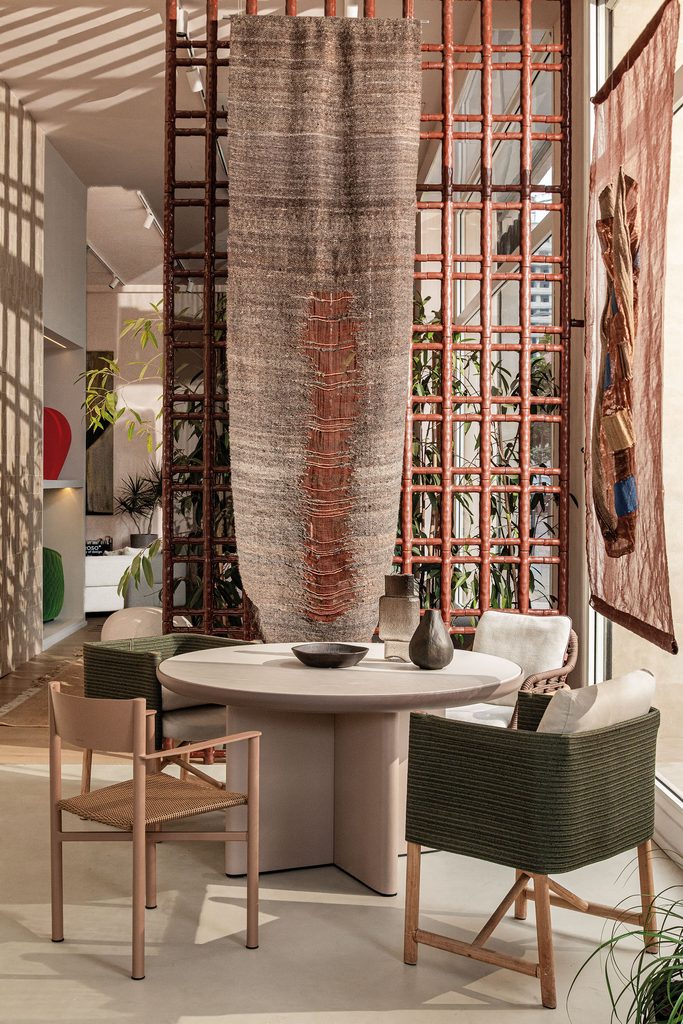
The work of Soumiya Jalal, a Moroccan architect, urbanist, master artisan and weaver, added another dimension to this conversation. Her textile work illustrated how material knowledge and artisanal practice can contribute to contemporary spatial design.
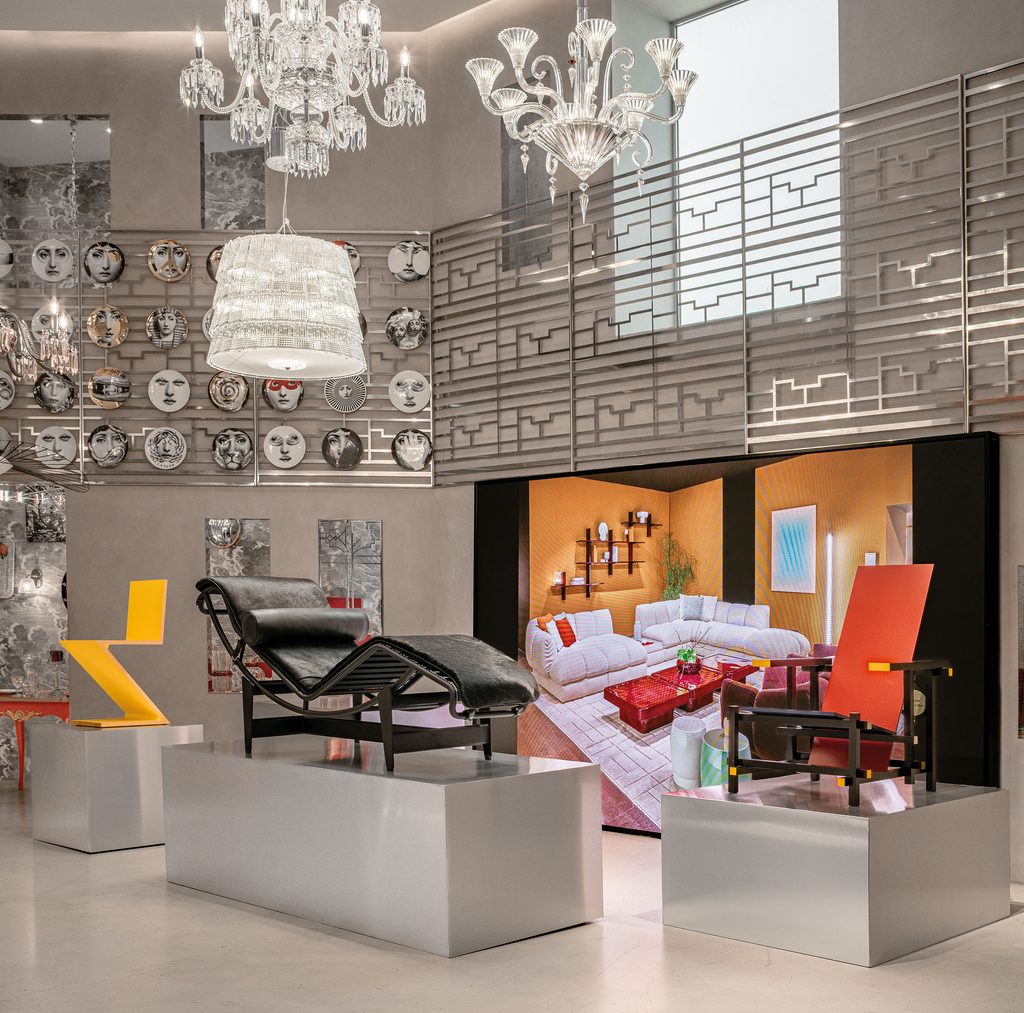
Visitors could also explore Fenêtre sur Cour, which presented an international selection of design from houses including Cassina, Fritz Hansen, BD Barcelona and Fornasetti. The experience offered an opportunity to consider different approaches to furniture, objects and interior styling within the same broader creative landscape.
A significant highlight was the programme honouring Moroccan designer Hicham Lahlou at Roche Bobois. Under the title SIGNATURES — Hicham Lahlou, 31 Years of International Design, the presentation celebrated more than three decades of his international practice and the contribution of a Moroccan designer to the wider design conversation.
Together, these activities demonstrated that design emerges through the interaction of ideas, materials, technical expertise and cultural influences. They also underscored the importance of creating opportunities for the public and creative professionals to understand not only the finished object, but the process behind it.
6 October: Giving Moroccan Creators a Platform
The second day placed particular emphasis on the people behind the work, with opportunities to meet designers and artists in the spaces where their creative identities could be experienced more directly.
One of the programme’s key professional moments was The Business of Becoming, a conversation organised by Déco Actuelle, Morocco Design and Roche Bobois in partnership with Art’Com Sup. Addressing the next generation of Moroccan creatives, the discussion focused on building a creative career, entrepreneurship and the opportunities available within the design industries.
This was an essential addition to an event otherwise centred on exhibitions and visual discovery. Creative talent needs more than visibility: it also needs professional networks, business knowledge, mentorship and access to opportunities that can support sustainable careers.
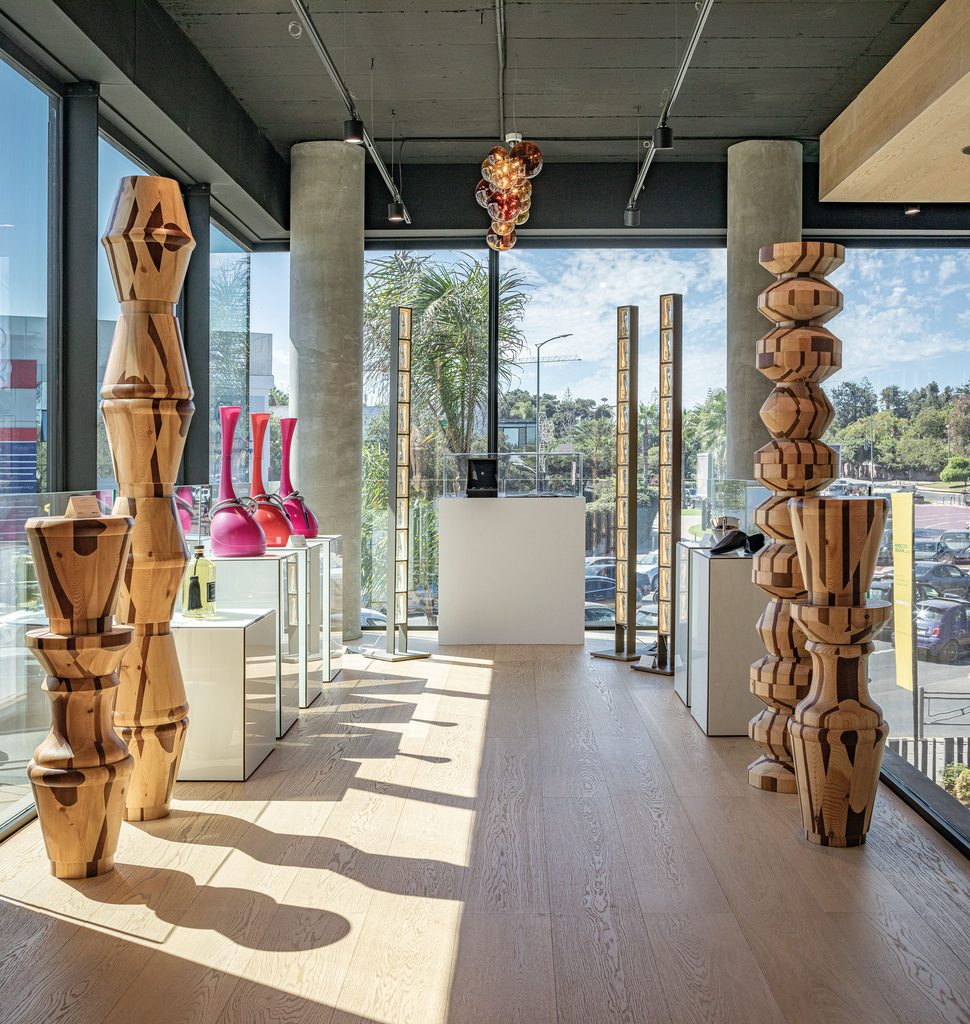
At ML Ateliers, visitors encountered the material-driven approach of Meryam Lahlou, whose sculptural furniture and exploration of raw materials illustrate the expressive possibilities of contemporary design.
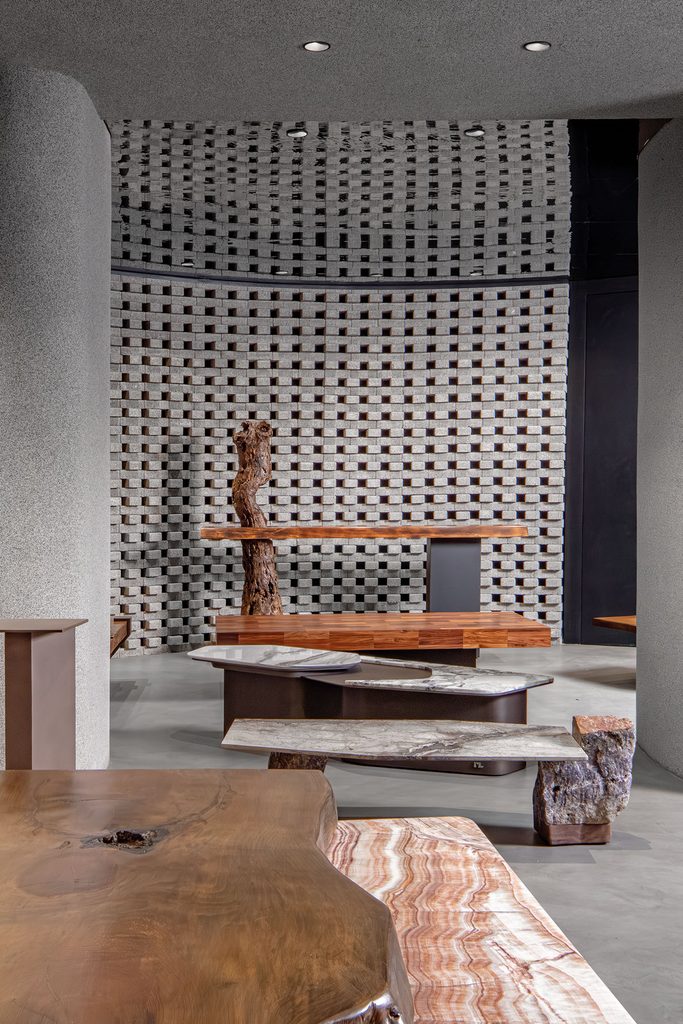
At Cattelan Italia, Moroccan architect, artist and designer Kenza Squalli contributed to a presentation developed with K-STUDIO, bringing Moroccan creativity into dialogue with an Italian design collection. Her intervention explored the connections between furniture, painting, objects and the wider interior environment.
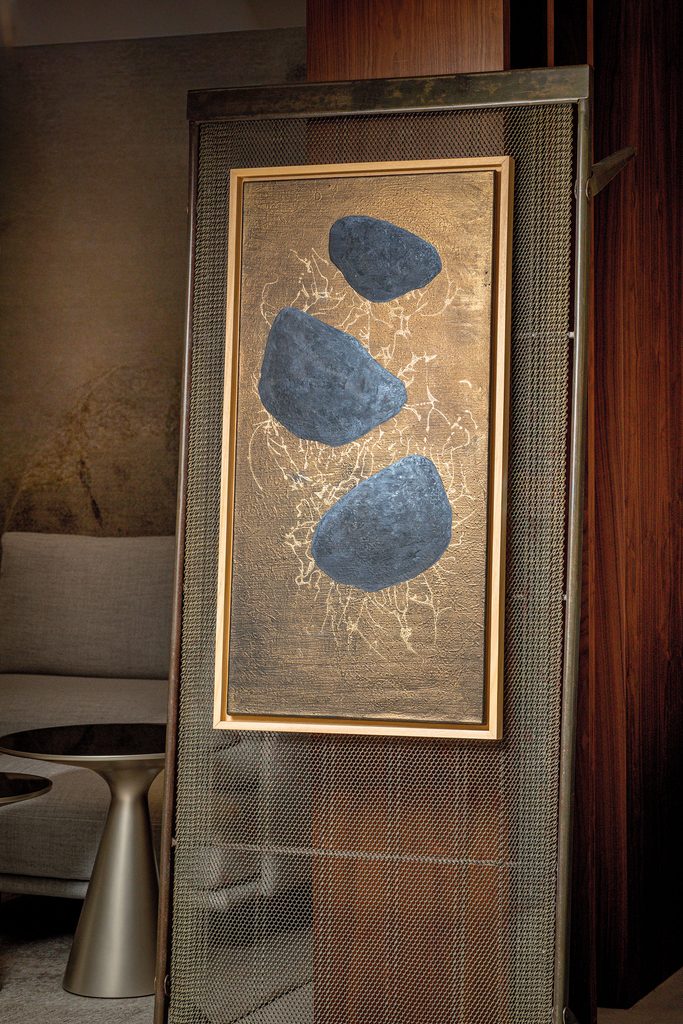
Art and design also intersected at Molteni&C, where the geometric Totems of Moroccan artist Ghizlane Agzenaï were presented in collaboration with Galerie 38. The installation invited visitors to consider how contemporary art can influence the perception of a room and transform the experience of furniture and architecture.
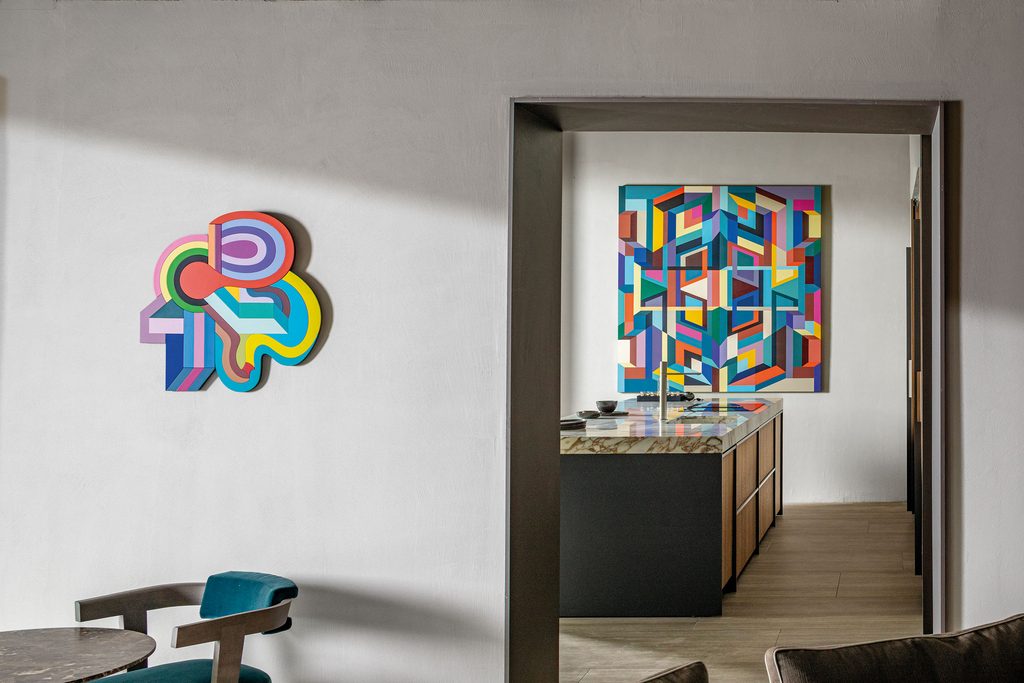
At Boffi, the work of Moroccan artist Radia Lamrani Karim formed part of another encounter between artistic expression and contemporary interiors.
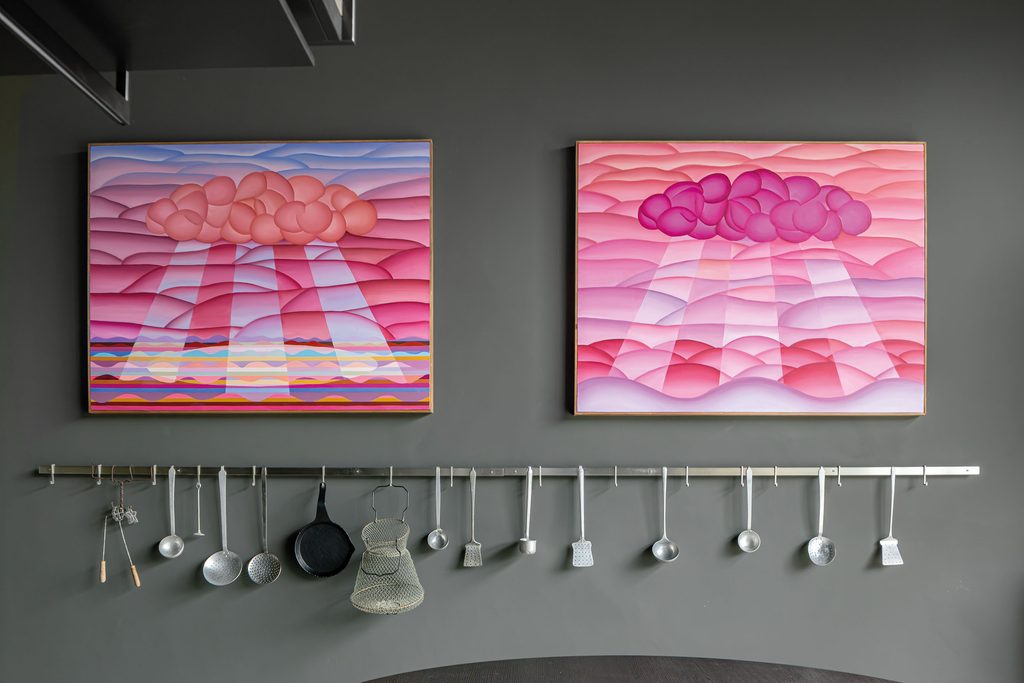
Meanwhile, the Meet the Creators gathering at Villa Sahrai, organised with Maisons du Maroc, brought together Salima Filali, Myroc Studio, Zoubida, Verneo Studio and Studio Sana Benzaitar. Their presentations spanned different creative disciplines, including zellige, ceramics, textiles, rugs and sculptural furniture.
Villa Sahrai became an important setting for the event, bringing several creative voices together within an architectural environment that encouraged visitors to experience design as an integrated whole rather than as a collection of isolated objects.
The significance of these encounters lies in their ability to put names, ideas and creative processes into direct contact with audiences. A designer’s work becomes more meaningful when people can understand the thinking, experimentation and craftsmanship that underpin it.
7 October: Expanding the Meaning of Design
The final day continued to explore the links between contemporary living, art, architecture and Moroccan identity.
At Clay Concept Store, a brunch featuring a curated selection of B&B Italia pieces chosen by Ali Lahlou, with the participation of Acacia Decor, brought together furniture and decorative surfaces in a considered interior setting.
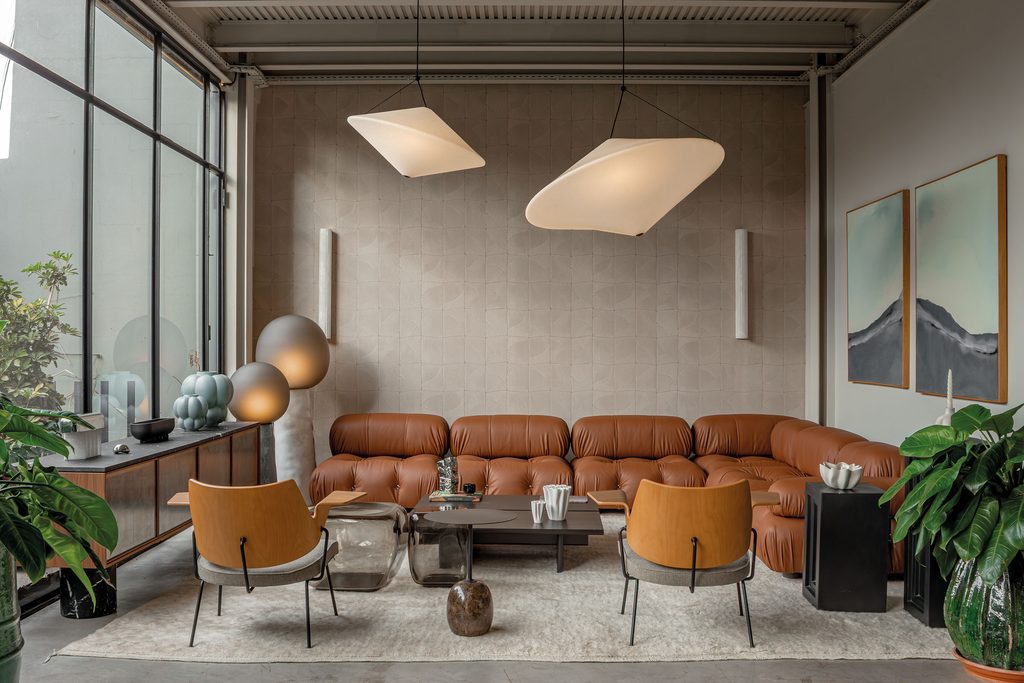
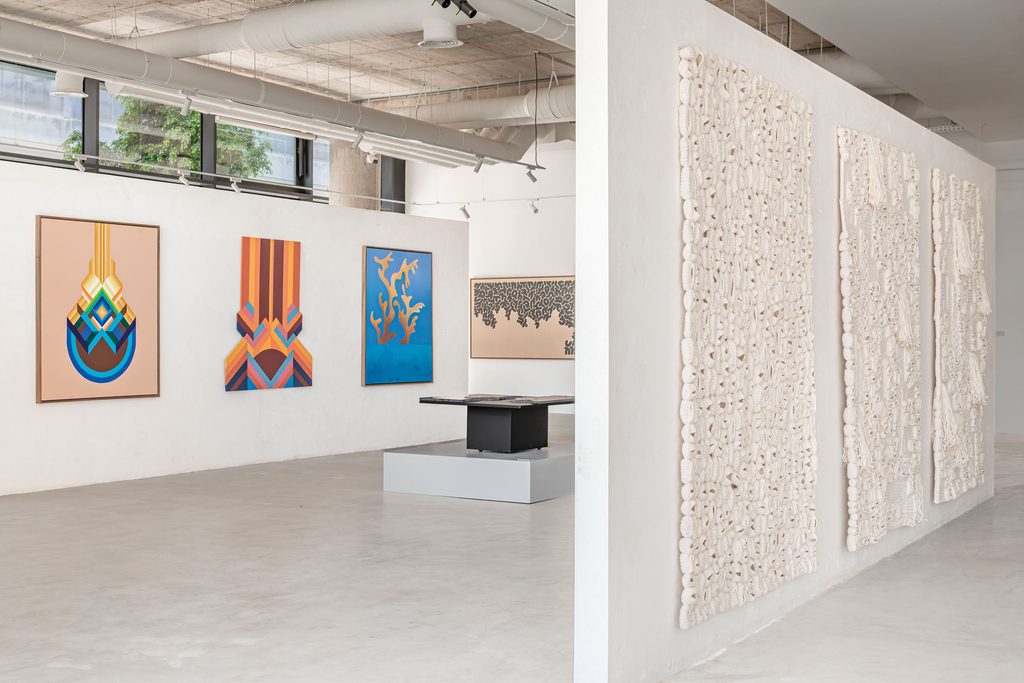
At Loft Art Gallery, visitors had the opportunity to discover Hamasāt al-Fajr and meet Moroccan artist Amina Agueznay, whose work contributes to the country’s contemporary art landscape. The gallery’s wider programme connecting Moroccan, African and international artists reinforced the importance of cultural exchange in developing a dynamic creative ecosystem.
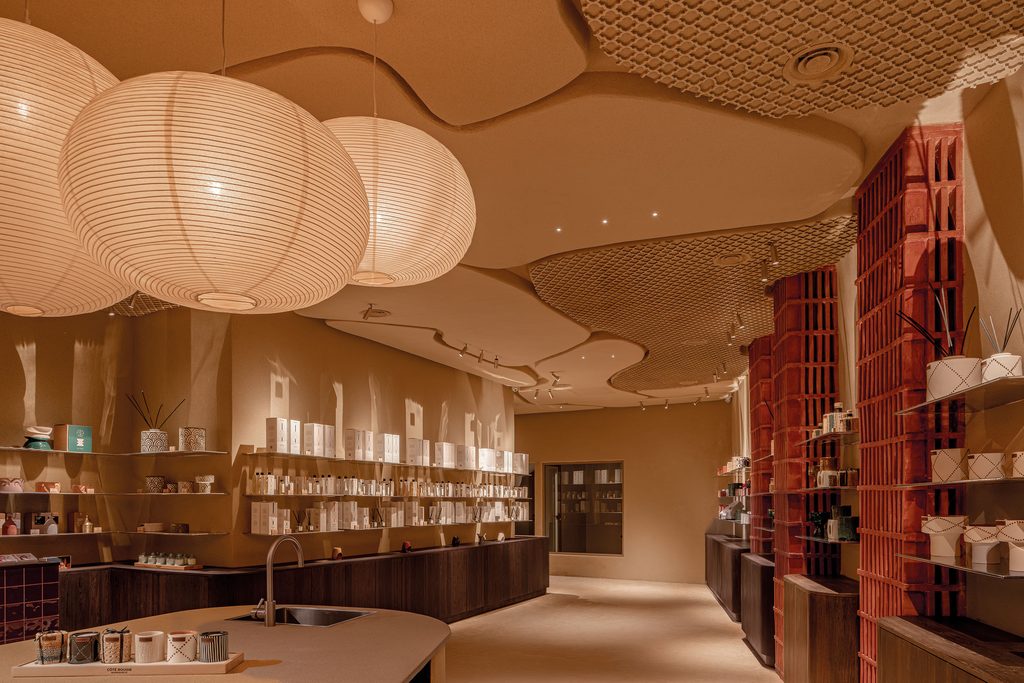
Another highlight was the presentation of Côté Bougie‘s new Casablanca flagship, designed by Youssef Benhamou. The project brought together fragrance, craft and contemporary spatial design, illustrating how design extends beyond visual appearance to include atmosphere, sensory experience and the identity of a place.
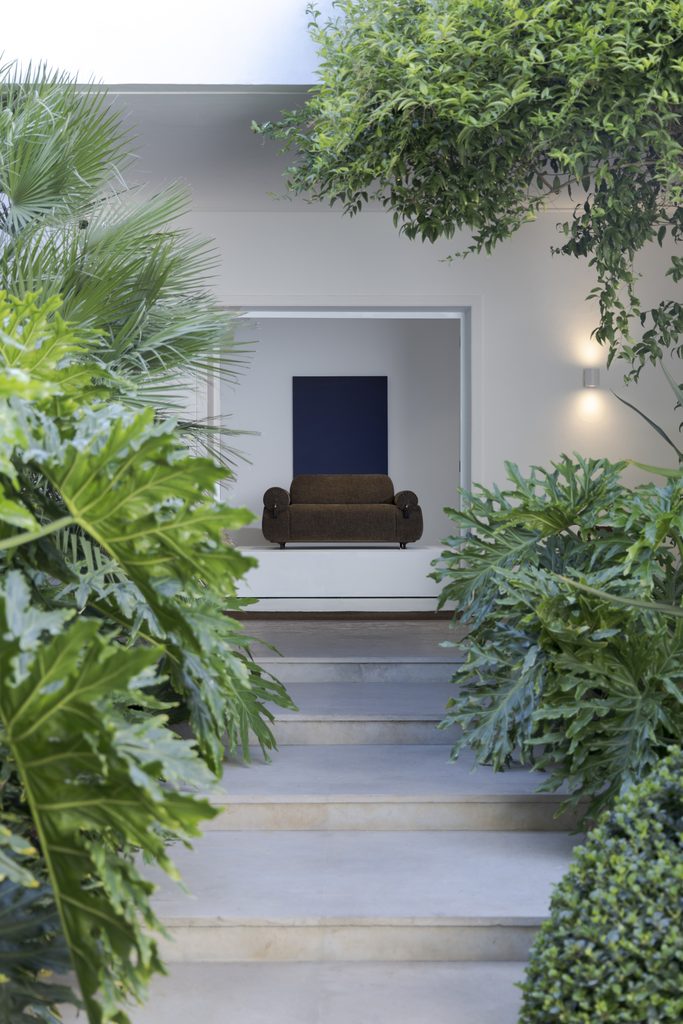
At Fondation Alliances, architect and designer Othmane Bengebara presented Irtah!, offering visitors an opportunity to discover the work and hear about its concept and creative process. The presentation gave particular importance to the story behind a design object and the relationship between its form, meaning and the person who created it.
The programme concluded at Teatro Italia, within the Italian Consulate in Casablanca, with L’Axe Invisible, a presentation by Moroccan artist and designer Hamza Kadiri, curated by Amine Amharech. The historic venue, opened exceptionally for the occasion while undergoing restoration, provided a striking setting for a contemporary artistic intervention.
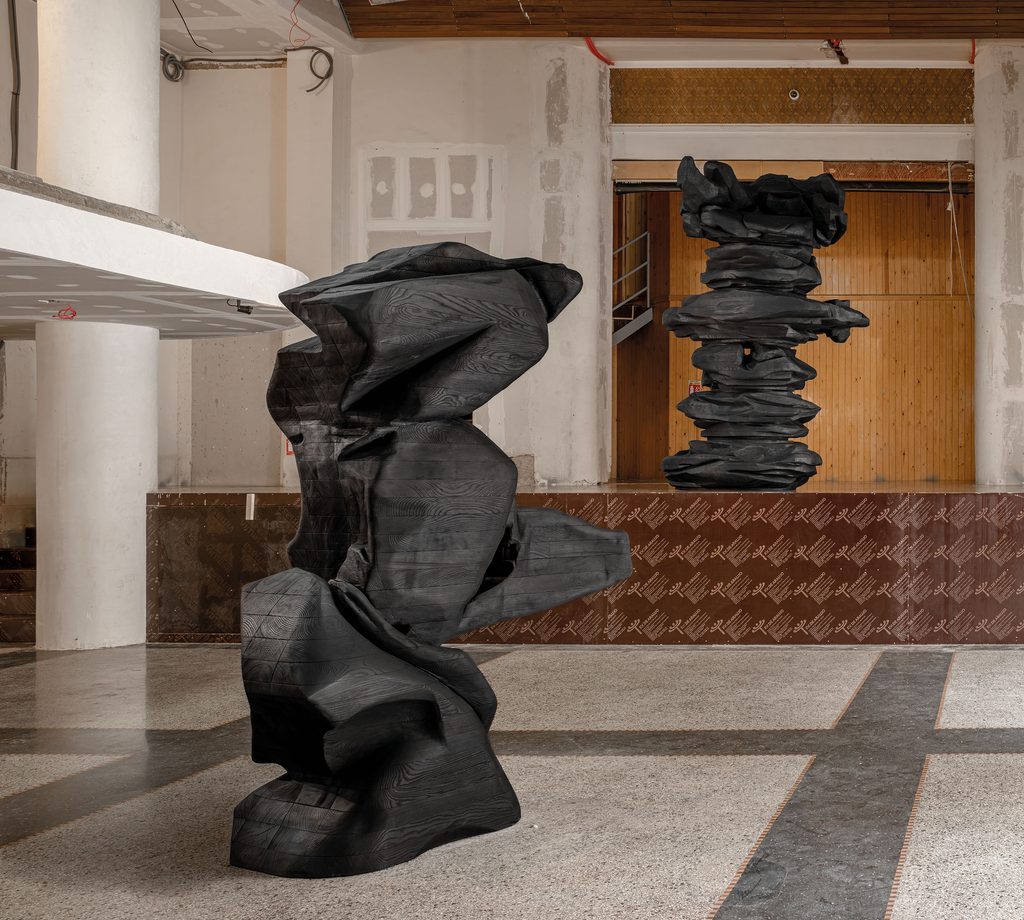
The choice of location carried its own significance: a historic building in transformation became a space for new creative expression. It offered a compelling reminder that architecture and heritage are not merely backdrops to contemporary culture. They can actively participate in it.
The People Behind !
One of the strongest aspects of Morocco Design was the breadth of its participants. The programme brought together established designers, emerging creative voices, artists, architects, artisans, galleries, furniture houses, cultural institutions and design professionals.
Among the Moroccan names represented were Hicham Lahlou, Soumiya Jalal, Meryam Lahlou, Kenza Squalli, Ghizlane Agzenaï, Radia Lamrani Karim, Sophia Kacimi, Salima Filali, Amina Agueznay, Othmane Bengebara, Hamza Kadiri and Youssef Benhamou, alongside the creative teams at Myroc Studio, Verneo Studio and Studio Sana Benzaitar, among others.
Their participation reflected the diversity of the country’s contemporary creative landscape. Some work through furniture and product design; others explore textiles, sculpture, art, architecture, fragrance or the reinvention of traditional crafts. What connects them is the ability to translate ideas and cultural influences into tangible experiences.
The participation of international design houses, including Roche Bobois, B&B Italia, Flexform, Moroso, Kettal, Molteni&C, Cattelan Italia, Boffi and others, created opportunities for further exchange.
This mix of local and international participants was more than a prestigious gathering of names. It created the conditions for professional dialogue, potential collaborations and greater recognition of Moroccan creative talent.
It also challenged the idea that Morocco should be seen only as a source of artisanal products or as a destination for discovering traditional craftsmanship. The country is also home to designers and artists who are developing contemporary practices, building creative businesses and contributing their own perspectives to international design conversations.
Why Design Needs a Platform in Morocco
A vibrant design scene requires more than individual talent. It needs an ecosystem that connects creators with audiences, clients, institutions, manufacturers, galleries, educational organisations and commercial partners.
For many designers, visibility remains one of the principal challenges. A strong idea or beautifully crafted object does not automatically reach the people who might appreciate it, commission it, produce it or invest in its development.
Platforms such as Morocco Design can help bridge this gap.
By bringing multiple creative disciplines together under a shared programme, the event made it easier to discover different designers and understand their work within a broader cultural context. By opening the doors of showrooms, galleries and selected architectural spaces, it also encouraged exchanges that might not otherwise occur.
The professional conversations were equally important. Discussions about entrepreneurship and career development acknowledged that design is both a cultural practice and an economic activity. Designers need opportunities to develop their skills, build businesses, find collaborators and reach new markets without losing the integrity of their creative vision.
For younger generations in particular, meeting established professionals and seeing contemporary design presented in professional settings can make a meaningful difference. It can help transform an interest in creativity into a clearer understanding of the possibilities available within the industry.
Educational institutions, brands, cultural organisations and independent studios all have a role to play in this process. Morocco Design offered a setting in which these different parts of the ecosystem could begin to connect more closely.
Bringing Design Closer to Moroccan Society
Perhaps the most important question raised by Morocco Design is how to bring design beyond professional circles and closer to the wider Moroccan public.
Design is sometimes perceived as an exclusive field associated with luxury interiors, expensive furniture or highly specialised professional environments. Yet its influence reaches much further.
It shapes the objects we use every day, the comfort and functionality of our homes, the public spaces in which we gather, the products we buy and the way we experience our cities. Good design can make spaces more practical, products more accessible, environments more welcoming and cultural traditions more relevant to contemporary life.
Morocco’s own heritage provides an excellent foundation for making this connection. Traditional craftsmanship has historically been embedded in everyday life, from the design of household objects to the organisation of domestic spaces and the construction of buildings adapted to local climates and social customs.
Contemporary design can build on that relationship by addressing present-day needs while respecting the knowledge and resources that already exist.
Morocco Design’s distributed format was a positive step in this direction. By locating activities across Casablanca rather than within a single exhibition venue, the event offered different points of entry into the design world. Visitors could discover design through art, furniture, materials, architecture, fragrance or craft, depending on their interests.
The programme also included exhibitions and presentations that were open to the public, alongside selected activities requiring registration and private events by invitation. This mixture enabled different kinds of encounters, although it also points towards an opportunity for future editions to expand public participation further.
More accessible workshops, family activities, student programmes, public talks and demonstrations in shared urban spaces could help bring design to a broader audience. Partnerships with schools and universities, community organisations and local artisans could further encourage people to see design not as a distant luxury, but as a practical and creative part of everyday life.
The aim should not simply be to encourage people to consume more design. It should be to help them recognise it, understand it and participate in shaping it.
A Cultural Opportunity With Economic Potential
Beyond its cultural contribution, Morocco Design also highlighted the potential of design as a driver of economic opportunity.
Creative industries can connect craftsmanship with contemporary markets, generate work for independent studios, strengthen local brands and create new opportunities for collaboration between designers, artisans and manufacturers.
When traditional skills are integrated thoughtfully into contemporary products and spaces, they can acquire new relevance without losing their cultural meaning. This can support the transmission of artisanal knowledge while creating new possibilities for those who practise it.
International exposure can also help Moroccan designers build relationships beyond their immediate markets. However, the value of such exposure depends on what follows: sustained professional networks, commercial opportunities, production partnerships, institutional support and the continued development of local talent.
For this reason, the long-term impact of Morocco Design will depend not only on the quality of its inaugural edition, but also on its ability to establish continuity. A recurring platform can help develop an audience, strengthen relationships across the industry and create a more visible identity for Moroccan contemporary design.
Casablanca is a natural setting for this ambition. Its architectural diversity, commercial energy, cultural institutions and evolving creative scene provide fertile ground for conversations about modern Moroccan life.
By connecting these different dimensions, Morocco Design helped present the city as a place where creativity is not only inherited, but continually produced and reimagined.
Looking Ahead: Building a Lasting Design Culture
The first edition of Morocco Design offered an encouraging picture of the country’s creative potential. It demonstrated the value of bringing designers, artists, artisans, galleries, brands and institutions into a shared space of discovery and exchange.
Its significance, however, extends beyond three days of exhibitions and events.
The real opportunity is to build a lasting design culture: one in which Moroccan creators have the visibility and resources to develop their work, young professionals can imagine viable careers, traditional crafts continue to evolve, and the public feels increasingly connected to the design decisions that shape everyday life.
Achieving this requires continued investment in education, public engagement, creative entrepreneurship and collaboration between the cultural and commercial sectors. It also requires recognising that design belongs to more than one professional community. It belongs to the society that produces it, uses it, lives with it and passes its knowledge on to future generations.
For YAZ Magazine, Morocco Design offers an opportunity to reflect on a broader question: how can Morocco continue to celebrate its extraordinary heritage while giving its contemporary creators the space to define what comes next?
The answer lies in creating more opportunities for people to meet, exchange ideas, experiment and discover. It lies in supporting designers not only as talented individuals, but as contributors to the country’s cultural and economic future.
Most importantly, it lies in making design visible, understandable and meaningful to more people.
Morocco Design has taken an encouraging first step in that direction. By bringing contemporary creativity into the heart of Casablanca, it helped open a conversation between heritage and innovation, local talent and international perspectives, professional practice and public culture.
The next chapter will be shaped by how that conversation continues.
Because Morocco’s design story is not simply about preserving what has been created in the past. It is about giving the next generation the confidence, opportunities and platforms to create what comes next.
And that is where the true value of Morocco Design lies.