


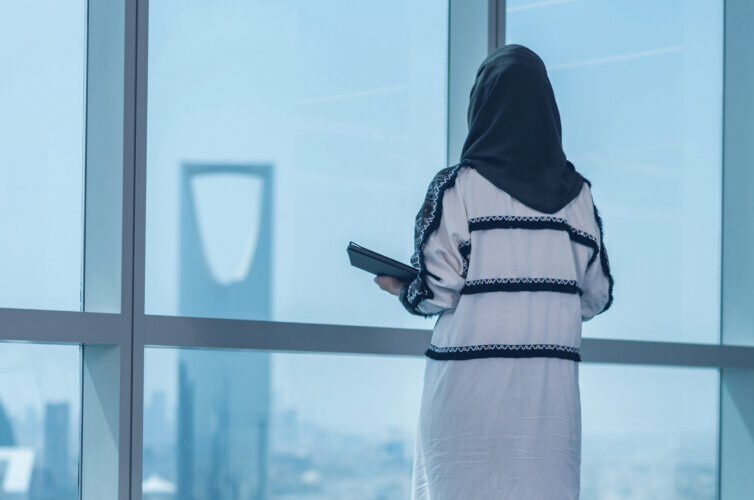
“Architecture shapes the way we live. But who gets to shape architecture?”
For generations, the built environment of the Middle East and North Africa has reflected the creativity, resilience, and cultural richness of its people. Yet, while women have long influenced the way homes were organised, crafts were preserved, and communities flourished, their contributions to architecture have often remained overlooked.
Today, that story is changing.
Across the MENA region, women are leading internationally recognised architecture firms, restoring historic landmarks, reimagining public spaces, and developing innovative solutions to some of the world’s most pressing environmental and social challenges. Their growing presence is not simply a matter of equality, it is transforming the way architecture is conceived, practiced, and experienced.
As cities expand and societies evolve, gender equity is becoming an essential ingredient for creating more inclusive, sustainable, and culturally responsive places.
Table of Contents
Why Gender Equity Matters
Architecture is never neutral.
Every building influences how people interact, move, work, learn, and connect with one another. When the profession welcomes a diversity of perspectives, the spaces it creates become richer, more adaptable, and more representative of the communities they serve.
Women architects often bring valuable perspectives to projects involving housing, healthcare, education, public space, heritage conservation, and community development. Their work frequently places people, not only buildings, at the centre of the design process.
Gender equity is therefore about much more than equal representation. It is about designing cities that respond to the needs of everyone.
Progress Beyond the Drawing Board
Over the past two decades, architecture schools throughout the Arab world have seen a remarkable increase in female enrolment. In many universities, women now represent nearly half, or even the majority, of architecture students.
However, professional practice still tells a different story.
Leadership positions, major public commissions, and international recognition continue to be disproportionately occupied by men. Women architects often face challenges related to career progression, visibility, pay equity, and balancing professional and family responsibilities.
Despite these obstacles, a new generation of architects is steadily redefining what leadership looks like across the region.
Building a More Inclusive Profession
Progress has not relied solely on individual determination. Institutions and governments have also played an important role in creating new opportunities for women.
A significant milestone came in 2017 with the adoption of the Khartoum Declaration on Gender Equity in Architecture, approved by the International Union of Architects (UIA) during its meeting in Sudan. The declaration recognised the persistent gender imbalance within the profession and called for equal access to education, professional opportunities, leadership positions, and recognition.
The initiative later evolved into the UIA Gender Equity Policy in Architecture, encouraging architectural institutions worldwide to promote diversity, mentorship, equal career progression, and greater representation of women in leadership.
Across the Arab world, governments have also introduced reforms that indirectly strengthen women’s participation in the built environment.
Saudi Arabia’s Vision 2030 has expanded opportunities for women in architecture, engineering, urban planning, and construction, leading to a growing number of women directing architecture firms and participating in major development projects.
In the United Arab Emirates, the UAE Gender Balance Council continues to encourage women’s representation across public institutions and private industries, including architecture, engineering, and urban development.
Meanwhile, Morocco has witnessed a steady increase in women graduating from architecture schools and contributing to heritage conservation, urban planning, and sustainable design. Moroccan architects are increasingly gaining international recognition for projects that celebrate local savoir-faire and craftsmanship while addressing contemporary challenges.
International organisations have also contributed to this momentum.
Through education, scientific collaboration, and heritage conservation programmes, UNESCO has supported women architects and engineers across the Arab region, particularly in projects involving the restoration of historic cities and cultural landmarks. These initiatives demonstrate that preserving architectural heritage and advancing gender equity can go hand in hand.
Women Redefining Architecture Across the MENA Region
Behind many of the region’s most inspiring architectural projects are women whose work is reshaping the profession while remaining deeply connected to local identity.
Salima Naji | Morocco
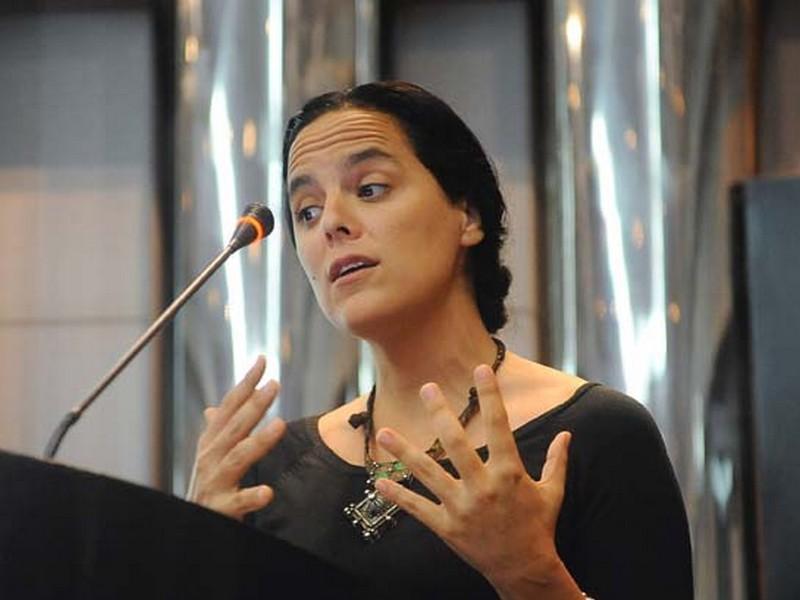
Few architects embody Morocco’s architectural heritage as profoundly as Salima Naji.
Architect, anthropologist, and conservation specialist, Naji has dedicated her career to restoring kasbahs, ksour, and earthen villages using traditional construction techniques and local craftsmanship.
Rather than replacing vernacular architecture with contemporary solutions, she demonstrates how ancestral knowledge can become a model for sustainable design.
Her restoration of the Agadir Oufella Kasbah and numerous rural heritage projects has earned international recognition while preserving Morocco’s cultural memory for future generations.
Aziza Chaouni | Morocco

Moroccan architect Aziza Chaouni illustrates how architecture can restore both cities and ecosystems.
Her internationally acclaimed rehabilitation of the Fez River transformed a neglected waterway into a vibrant public space reconnecting residents with one of the world’s oldest medinas.
Her work demonstrates that architecture extends beyond buildings, it has the power to regenerate entire urban environments.
Lina Ghotmeh | Lebanon
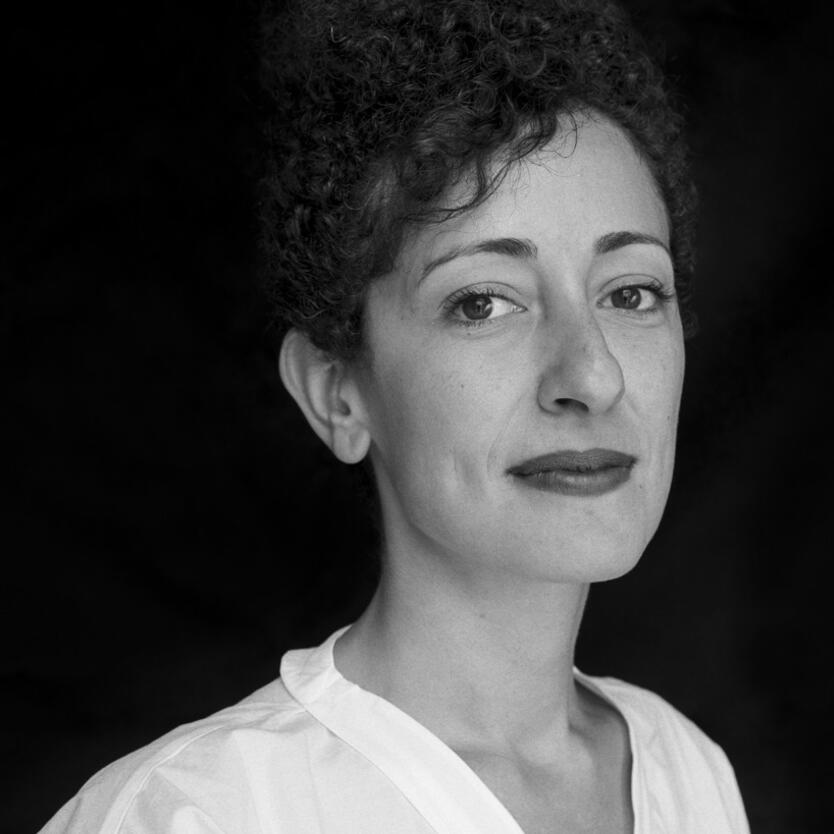
Internationally celebrated architect Lina Ghotmeh approaches every project through what she calls an “Architecture of Archaeology.”
Her designs explore memory, history, and cultural identity while embracing contemporary forms and sustainable construction.
Projects such as Stone Garden in Beirut reveal how architecture can heal places marked by conflict while honouring their past.
Abeer Seikaly | Jordan
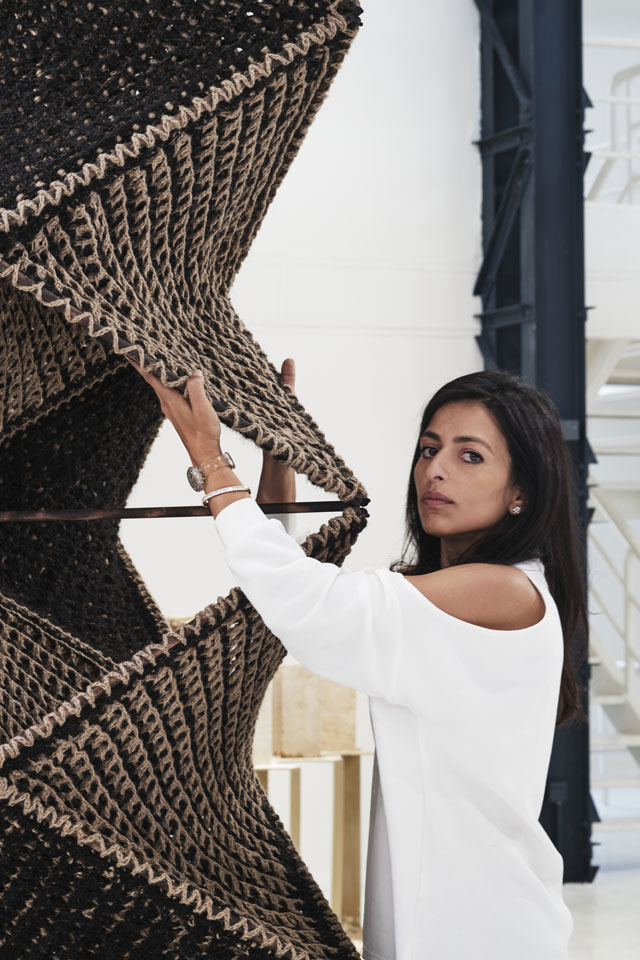
Jordanian architect and designer Abeer Seikaly has expanded the boundaries of architecture through humanitarian design.
Her adaptable shelters for displaced communities combine engineering, textile innovation, and biomimicry to create dignified living environments for people affected by conflict and displacement.
Her work reminds us that architecture’s greatest purpose is often humanitarian.
Shahira Fahmy | Egypt

Known for her elegant contemporary approach, Shahira Fahmy has become one of Egypt’s leading architects.
Her projects explore the relationship between modern architecture and local identity, demonstrating how contemporary design can remain deeply rooted in regional culture.
Sumaya Dabbagh | Saudi Arabia
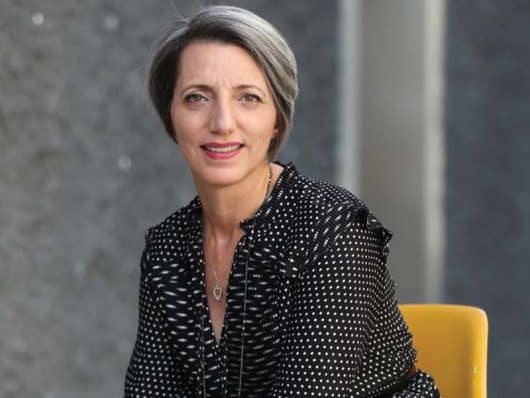
The work of Sumaya Dabbagh is characterised by simplicity, climate responsiveness, and contextual sensitivity.
Through projects across Saudi Arabia and the UAE, she demonstrates how architecture can respect tradition while embracing innovation.
Rania Hamed | Egypt

Founder of the multidisciplinary studio VSHD, Rania Hamed has become one of the Middle East’s leading voices in luxury interior architecture.
Her hospitality, residential, and commercial projects blend contemporary minimalism with refined regional influences, redefining luxury through cultural authenticity.
Tessa Sakhi | Lebanon
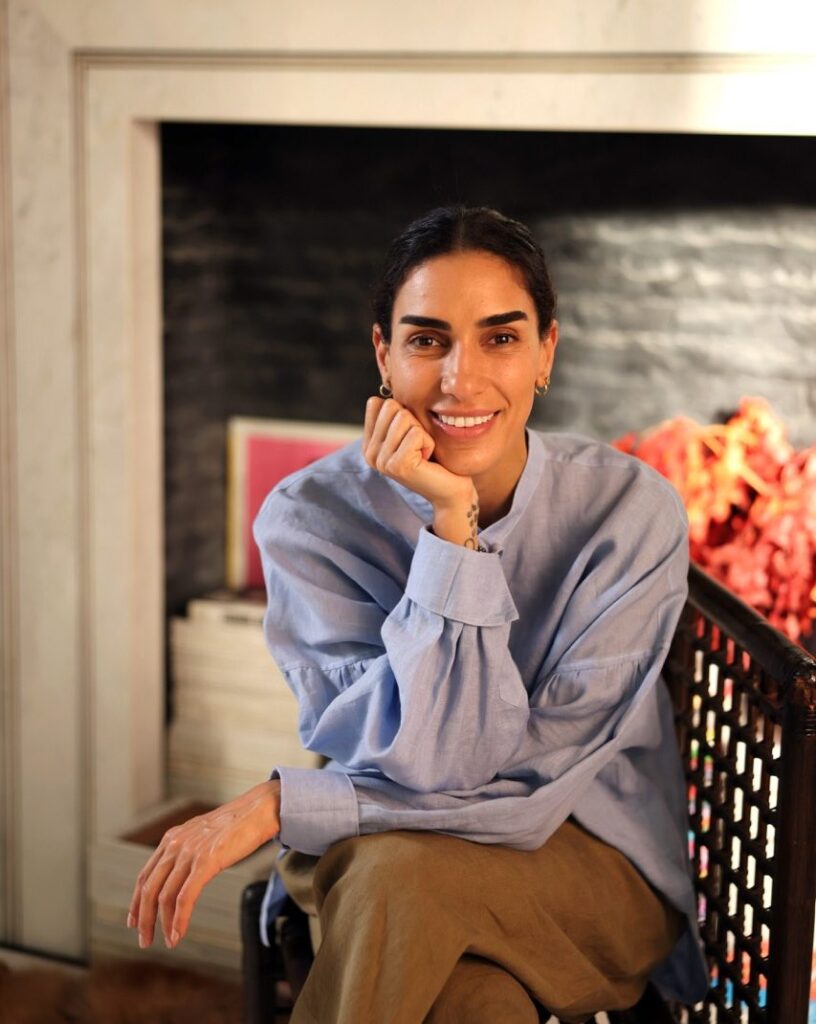
Architect, artist, and researcher Tessa Sakhi works across architecture, interiors, furniture, and material culture.
Her multidisciplinary practice explores how design can become a dialogue between craftsmanship, contemporary art, and social research.
Heritage Through Women’s Eyes
One of the most striking characteristics shared by many women architects across the MENA region is their commitment to preserving local identity.
Rather than viewing traditional construction as something to replace, many embrace vernacular architecture as a source of innovation.
Earthen construction, passive cooling strategies, local stone, carved cedar wood, tadelakt, zellige, woven palm fibres, and centuries-old building techniques continue to inspire contemporary projects throughout the region.
This philosophy aligns perfectly with the values that have long defined Moroccan craftsmanship: sustainability, authenticity, and a deep respect for cultural heritage.
It also reminds us that the future of architecture is not always found in new materials or advanced technologies. Sometimes, it begins by rediscovering the wisdom embedded in tradition.
Resources for the Next Generation of Women Architects
For students and young professionals looking to become active within the architectural community, several organisations offer valuable opportunities for networking, mentorship, education, and advocacy.
The International Union of Architects (UIA) promotes gender equity through its dedicated policies and international commissions, while national architectural associations often host Women in Architecture committees and mentoring initiatives.
Those interested in heritage conservation can join ICOMOS (International Council on Monuments and Sites), an organisation that welcomes students and emerging professionals through national committees and scientific working groups.
DOCOMOMO International provides opportunities for those passionate about documenting and preserving modern architectural heritage.
Women interested in digital design and emerging technologies can become part of Women in BIM, a global network offering free webinars, mentorship programmes, and local chapters dedicated to Building Information Modelling and digital construction.
Finally, organisations such as ArchiTEXX advocate for greater gender equity through research, leadership programmes, networking events, and professional development opportunities, helping create a more inclusive future for the profession.
Looking Ahead
The conversation around gender equity in architecture is no longer solely about increasing numbers.
It is about expanding perspectives.
It is about recognising that the most resilient cities are designed by teams that reflect the diversity of the people who inhabit them.
Across the Middle East and North Africa, women are preserving heritage, advancing sustainability, leading innovation, and redefining architectural excellence. Their projects demonstrate that meaningful architecture is built not only with concrete, stone, or timber, but also with empathy, cultural understanding, and a commitment to creating places where communities can thrive.
As the region continues to shape its future, one thing is becoming increasingly clear: the story of MENA architecture cannot be told without the women who are helping to build it.