
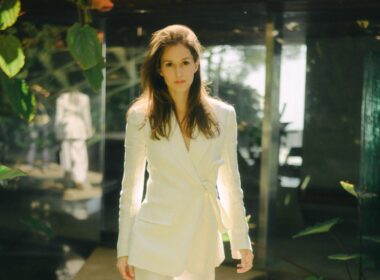
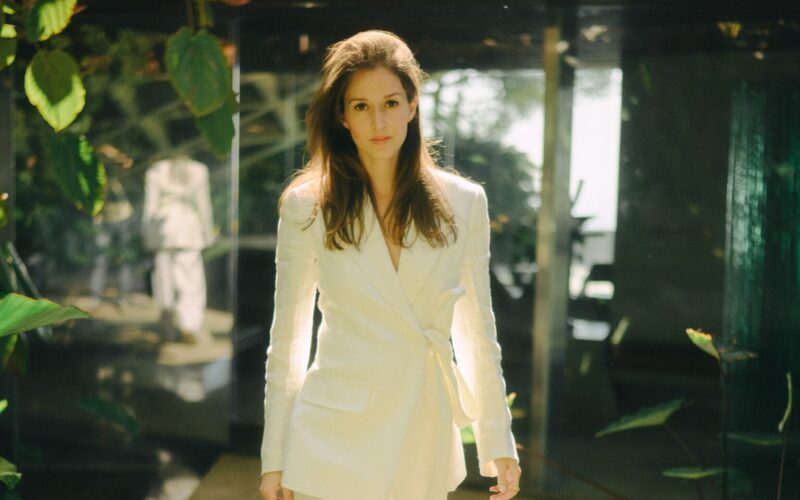
Between two cultures, an international career and a deep attachment to her roots, Hanane Moutii has spent years shaping a vision that brings Moroccan creativity into a wider conversation. With the creation of Morocco Design, she is opening a new chapter for design in Casablanca, one where heritage, contemporary expression and international exchange meet.
Some projects are born from an opportunity. Others begin with a feeling, a connection to a place, a culture, or the conviction that something has yet to be given the space it deserves.
For Hanane Moutii, the founder of Morocco Design, it was perhaps a combination of all three.
Born in Italy to Moroccan parents, she grew up with a natural connection to two cultures. Morocco remained an essential part of her identity, while her professional life took shape in an international environment, particularly within the worlds of luxury, design and hospitality.
Moving between these different cultural and professional landscapes gave her a particular perspective on the way creativity travels, how design industries develop, and how different cultures influence one another.
It also made her increasingly aware of something: Morocco had an extraordinary creative heritage, remarkable craftsmanship and a contemporary design scene gaining momentum, yet the connections between its creative talent and the international design industry could be much stronger.
The missing element was not talent. It was visibility, dialogue and opportunity.
And somewhere between that observation and her personal attachment to Morocco, an idea began to take shape.
Table of Contents
A personal story behind a collective ambition
The idea for Morocco Design first emerged in 2019. What started as a desire to connect Moroccan creativity with the international design world gradually developed into a much broader vision.
Hanane did not want to create another traditional design fair, nor simply an exhibition bringing together beautiful objects. She imagined a platform where designers, artisans, international brands, architects, galleries and the public could encounter one another in meaningful ways.
A place where craftsmanship could enter into conversation with contemporary production, where emerging designers could meet established international houses, and where Moroccan creativity could be recognised not only for its heritage, but also for its ability to shape what comes next.
For her, Morocco Design is deeply personal. She describes it as a love letter to Morocco, an expression of affection for a country whose creative identity she believes deserves a more prominent place on the international stage.
But it is also an ambitious project. One that seeks to create opportunities for an entire generation of designers and creative professionals.
“On a personal level, it is my love letter to Morocco.”
Casablanca, a city to discover differently
As the concept evolved, so did the way Hanane imagined bringing it to life.
She increasingly felt that Morocco Design needed to extend beyond the conventional exhibition format and become part of the city itself.
Casablanca was a natural choice.
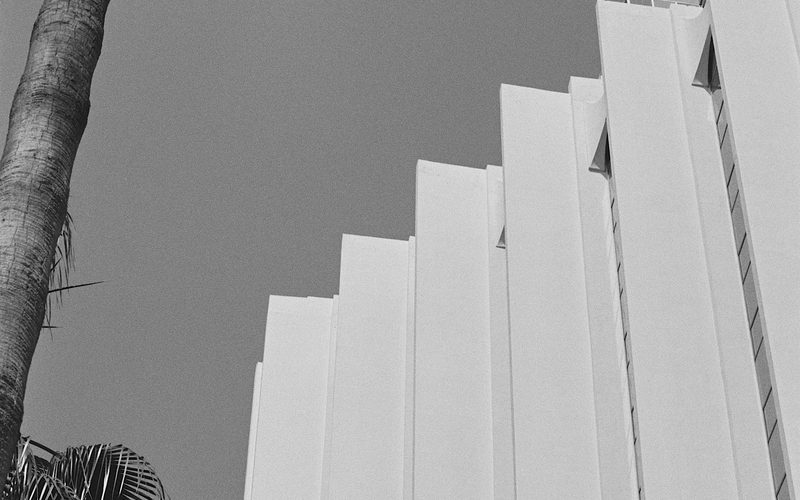
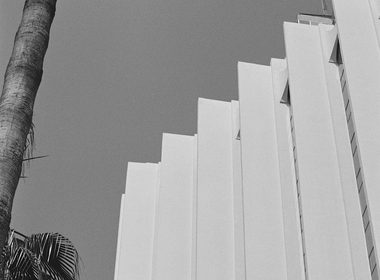
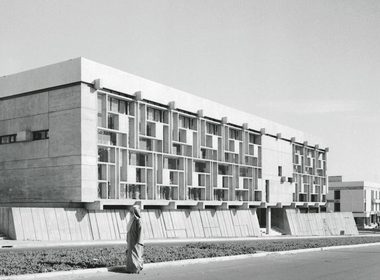
A city of contrasts and constant reinvention, Casablanca brings together Art Deco architecture, modernist influences, contemporary development and deeply rooted Moroccan cultural references. It is a city shaped by commerce, migration, movement and the meeting of different worlds.
For Hanane, this complexity is precisely what makes it interesting as a design destination. Rather than gathering everything under one roof, she wanted visitors to discover design through the city: its showrooms, galleries, architectural landmarks and unexpected spaces.
The idea was to create an experience that would encourage people to explore, encounter and look at Casablanca with fresh eyes.
In this sense, the city was never simply the location of Morocco Design. It was intended to be one of its protagonists.
Between heritage and contemporary expression
One of the most interesting aspects of Hanane’s vision is the way she approaches Moroccan design identity.
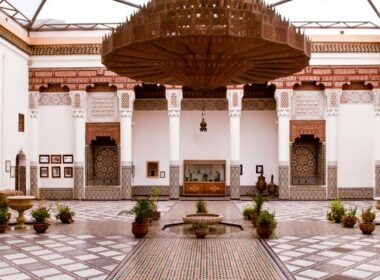
For a long time, Morocco has been internationally associated with its exceptional craftsmanship, decorative traditions, materials and patterns. These remain fundamental elements of its cultural richness, but Hanane believes that the contemporary creative scene deserves to be understood through a much broader lens.
A new generation of designers is exploring traditional techniques with greater freedom, experimenting with materials, forms and applications, and developing distinctive creative languages of their own.
What excites her is precisely this diversity.
Moroccan design does not need to conform to a single aesthetic or reproduce a familiar visual vocabulary. Its strength lies in its ability to bring together different influences while maintaining a sense of identity.
This dialogue between heritage and contemporary creation was particularly visible during the first edition of Morocco Design.
At Flexform, an interactive atelier with Saad Filali explored the art of zellige, bringing Moroccan craftsmanship into conversation with Italian design. At Teatro Italia, Hamza Kadiri’s monumental installation, curated by Amine Amharech, created a striking encounter between contemporary creation and architectural heritage.
These projects reflected an idea that runs throughout Hanane’s approach: design is not only about the object itself, but also about the knowledge, people, stories and cultural exchanges behind it.
“I would like to see that relationship evolve from one of coexistence into one of genuine creative exchange.”
The first edition: A vision taking shape
After years of developing the concept, Morocco Design finally took place in Casablanca in October 2026.
For Hanane, the first edition represented an important milestone, not only because an idea conceived several years earlier had become reality, but because it brought together a remarkably diverse creative community.
The programme was built around three pillars: Places, People and Experiences.
Through Places, visitors were invited to discover Casablanca in a different way, moving between showrooms, galleries, architectural landmarks and unexpected locations.
People placed the spotlight on the designers, artists, architects and creative minds contributing to Morocco’s contemporary identity.
Experiences created opportunities for exchange through installations, ateliers, conversations and private gatherings.
Education was another important dimension, notably through collaborations involving Art’Com Sup, Hicham Lahlou and Déco Actuelle.
What particularly encouraged Hanane was the diversity of participation: established international design houses alongside Moroccan creators, galleries, institutions, students and a wider public.
It confirmed something she had believed from the beginning: there was a genuine appetite for a platform capable of bringing these different worlds together.
Beyond the event, building an ecosystem
Perhaps the most significant aspect of Morocco Design is that Hanane does not see it as an event with a beginning and an end. Her ambition is to contribute to something more lasting: a stronger ecosystem for contemporary Moroccan design.
That means creating opportunities for designers to produce, distribute and sell their work, encouraging collectors and institutions to invest in contemporary creation, and developing relationships that can extend far beyond the event itself.
International collaboration is central to this vision, but it is a subject she approaches with particular care. She wants to see international brands move beyond commercial presence and engage in genuine creative exchange with Moroccan designers, artists and craftspeople. This could take the form of limited-edition collections, commissions, material research, creative residencies or collaborations bringing traditional techniques into contemporary production.
For Moroccan designers, these relationships could open doors to new expertise, production capabilities and international distribution networks.
But the exchange must be reciprocal.
For Hanane, meaningful collaboration is built on authorship, recognition and mutual value. Moroccan creativity should not simply serve as inspiration for international collections; Moroccan designers should have an active role in shaping and signing them. It is a question of visibility, certainly, but also of creative ownership and the future of the industry.
A new generation, a new conversation
When asked what success would look like five years from now, Hanane’s answer goes beyond international recognition or the number of visitors attending Morocco Design.
She would be particularly proud to see Moroccan designers who participated in the first edition developing collections with international houses, entering new markets or establishing sustainable creative businesses. She would also like to see a generation of young Moroccan creatives considering design not simply as a passion, but as a viable and respected profession.
There is another ambition that matters just as much: strengthening connections within Morocco’s own creative community. Designers meeting one another, exchanging ideas, discovering new perspectives and creating opportunities together.
Because while international recognition is important, the development of a strong local creative culture is equally essential.
In Conversation with Hanane Moutii
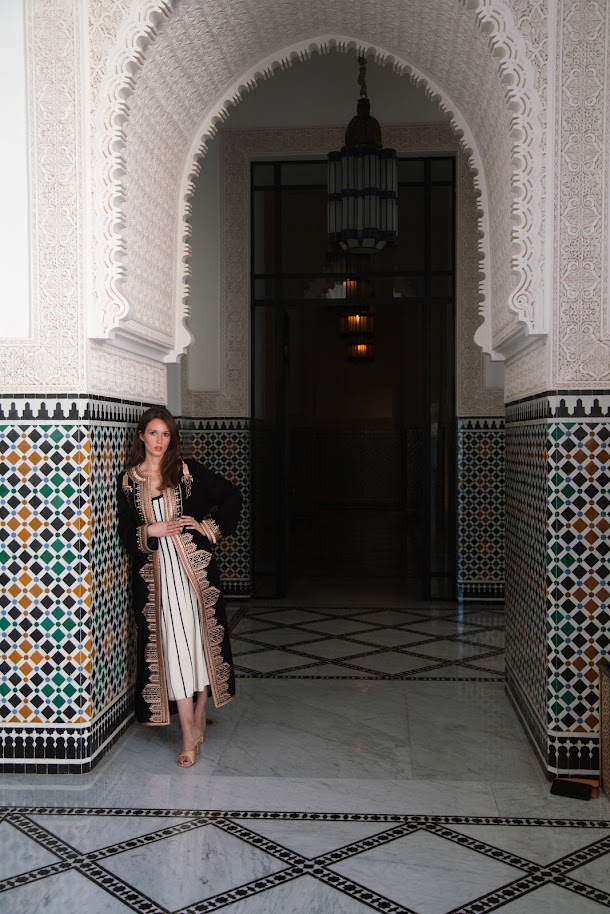
Beyond the traditional image of Moroccan craftsmanship, how do you see the identity of Moroccan design evolving today?
“What excites me is that Moroccan design is becoming increasingly difficult to define through a single visual language. Designers are engaging with heritage in very different ways, experimenting with new forms, materials and applications. There is a growing sense of authorship, with each designer developing a distinct identity. That diversity is a sign of maturity.”
What kind of relationship would you like to see develop between international brands and Moroccan designers?
“I believe the potential is considerable, provided these relationships are built on mutual respect and genuine creative exchange. Morocco has an extraordinary depth of craftsmanship, materials and knowledge, while international brands bring different production expertise and global perspectives. I would love to see more collaborations through limited editions, commissions, material research and residencies. The objective is not simply to bring international brands to Morocco, but to create opportunities for both sides to learn from one another.”
What do you think is the next important step for design culture in Morocco?
“I think the next step is to move from growing interest towards a stronger, more sustainable design market. There is increasing curiosity among audiences, collectors, architects and professionals, but we also need to encourage more commissioning, collecting and investment. Designers need an ecosystem that allows them to produce, distribute and sell their work, and to build sustainable creative businesses.”
Looking five years ahead, what would make you feel that Morocco Design has truly succeeded?
“I would love to see Morocco Design become an established name on the international design calendar, and Casablanca recognised as a destination for design. More importantly, I would like to see Moroccan designers building collections with international houses, entering new markets and developing sustainable creative businesses. And perhaps most importantly, I hope a younger generation will see design as a viable and respected profession.”
Expanding what Morocco can create
There is something particularly meaningful in the story of Hanane Moutii and the creation of Morocco Design.
Her journey began with a personal connection to Morocco, developed through an international professional experience, and eventually became an ambition that extends well beyond herself.
She wants international visitors to leave Casablanca with a broader understanding of Moroccan design: not simply as a reflection of an extraordinary past, but as an expression of a creative future.
A future shaped by designers developing individual languages, artisans evolving traditional knowledge, studios experimenting with new forms and young creatives imagining possibilities that have yet to exist.
Ultimately, this is what Morocco Design represents for its founder: an opportunity to change the nature of the conversation.
Not to position Morocco simply as a place from which the world draws inspiration, but as a place where ideas are created, collaborations are born and contemporary design takes new directions. And perhaps the most compelling part of Hanane’s vision is that she does not see this as a destination already reached.
It is only the beginning.