
By Meryem Chagraoui
The history of Marrakesh museum goes back to the 1800s, when Mehdi Menebhi built a palace. Based afterward, it has been named to be: Marrakech museum, situated in the old medina of Marrakesh, where it is still affected by the Marrakesh latest huge earthquake. Great extended families are never leaving their homes that were attached, doors looking built under the ground, traditionally built houses of Marrakesh left from history and by their ancestors. It is pretty logical that if they left that home, they have nowhere to go the only house they own, that , and you can see the wrinkles of nature cracking its walls, and you can distinguish that they were not financially at ease either.
I. Navigating the Medina Paths
As simple as life can get, as the old 90s roads of Morocco used to be, you can see the shops as small as they are, as the people who own them are standing on the side of the tight roads of the old medina, where you can’t park and you might consider walking to your destination as a sport.
If you have no driven desire for the award you will find in the middle of this “modern life”, you might think there is no end to the small paths. Sometimes you think you got lost and you cross it out of luck, or you’ve got to take a second or third opinion on where it is situated.
II. Arrival at the Palace Sanctuary
As you dwell deep, as you keep thinking of the way you are going to get out of this maze, the juxtaposition of modern and traditional is out there , of these people attached to the past, remaining alive there even though it is not safe. Yet, there was something different in their faces, as simple and dull in the sun as it can get to be on a hot spring day in Marrakesh.
An angry thought got to the top of my head, thinking: how the hell did any of the diplomats or well-established people from the Kingdom who lived in palaces reach this place? It is really difficult to reach, and there is a hardship in it for an elderly or adult person to walk it all for two hours straight.
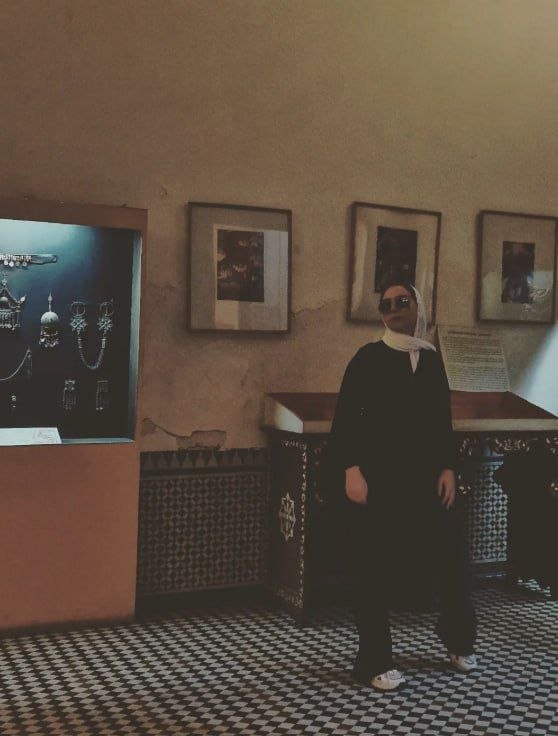
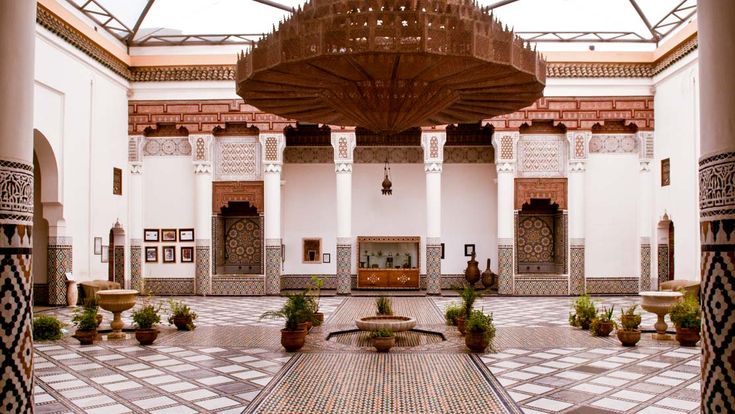
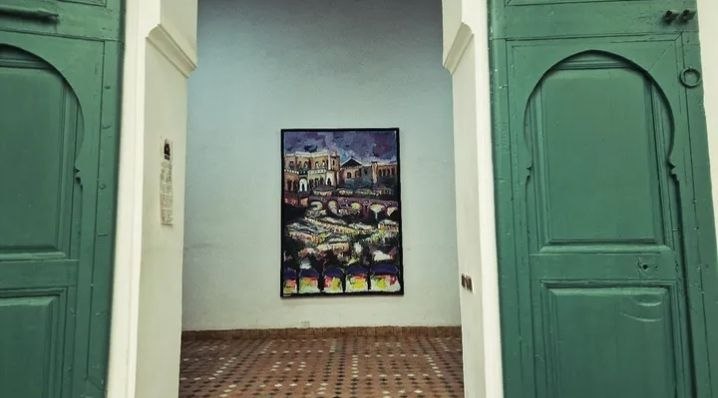
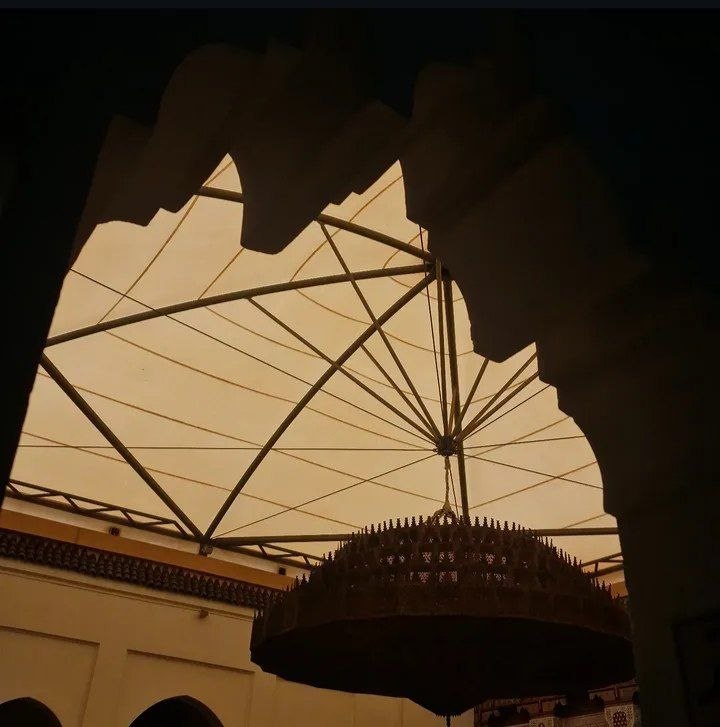
My goal was one, and as stubborn as I get to reach it, we got into a splitting path where a Madrasa was closed to tourists. Near it, a garden with seats seemed a bit comforting in the heat, with a ticket kiosk that assured me that it was the museum I was looking for. I caught my breath and got inside, keeping an eye on the doors, the walls, and the details while taking pictures. It was fine for a museum. The moment we reached the middle hall side, the place had only tourists we were the only Moroccans. All you could hear was the water cooling from the big fountain, the open ceiling, and the sun lighting up the huge, rounded chandeliers of metal. That sun and the sound of water cooling from the fountain were the music of the moment. The sun was cleaning the water from people’s energies, making it pure and pure, and everyone who gets there after a long run sighs deeply to have found a spiritual cleansing for the zellij laying down, tired of its colors facing the sun.
III. The Evolution of Moroccan Caftan Heritage
As big as the chandelier was—magnificent—there were rooms that had old, well-aged, well-made caftans from the 19th century, jewelry, and sculptures of daily household work crafted in the 19th century. This shows that the Moroccan caftan evolved from the start of its appearance in the world, whereas in other countries, it stayed in its old shape, not used nowadays, or sometimes not rebranded for the sake of the country’s culture like Morocco did.
The path to the museum was like a timeline bridge between two types of Marrakesh: one restored its history, while the other lives on the edge of the shadows of it, and couldn’t be modern until it hit the unsafety measures of the families living there, hoping that side of the city gets renovated with the same level of consideration for its beauty and traditional/modern exposure to Moroccan history that was the main ethic behind why it was made in the first place.