

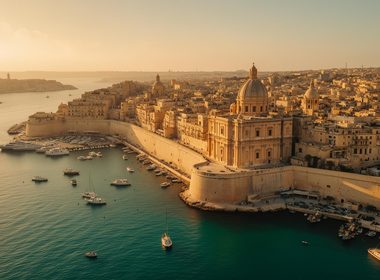
I’ve always been someone who loved the arts and creativity, inspired by the timeless beauty of Greece. Whenever I tried to pursue a professional path elsewhere, my artistic hobbies always lingered in the background in one way or another. It feels like something sacred pulls your soul toward everything you see hard to explain to anyone who doesn’t view the world from your angle, and difficult to maintain in a professional life where everything is strategy-based and driven purely by marketing.
Table of Contents
I. Cinematic Beginnings and Rejection of Modern Trends
Movies were something that I would find myself in awe of behind my laptop: from the Oscars to European award-winning films, to the conceptual vision of a movie and its screenplay. The Sisterhood of the Traveling Pants was one of the early movies I watched and my initial way of discovering Greek culture.
Back then, when it was on TV, it wasn’t burdened by the Santorini trend where every Instagram user thinks they own it and have to shoot it too. As the viral quote about Everest puts it: “Every dead body on Mt. Everest was once a highly motivated person, so… maybe calm down.” I recall that whenever a new trend comes along on TikTok or Instagram.
Not to mention that what is “Instagrammable” is not necessarily “TikTokable”—it’s more of a marketing concept rather than an authentic, genuine feeling that an artist bases their work on.
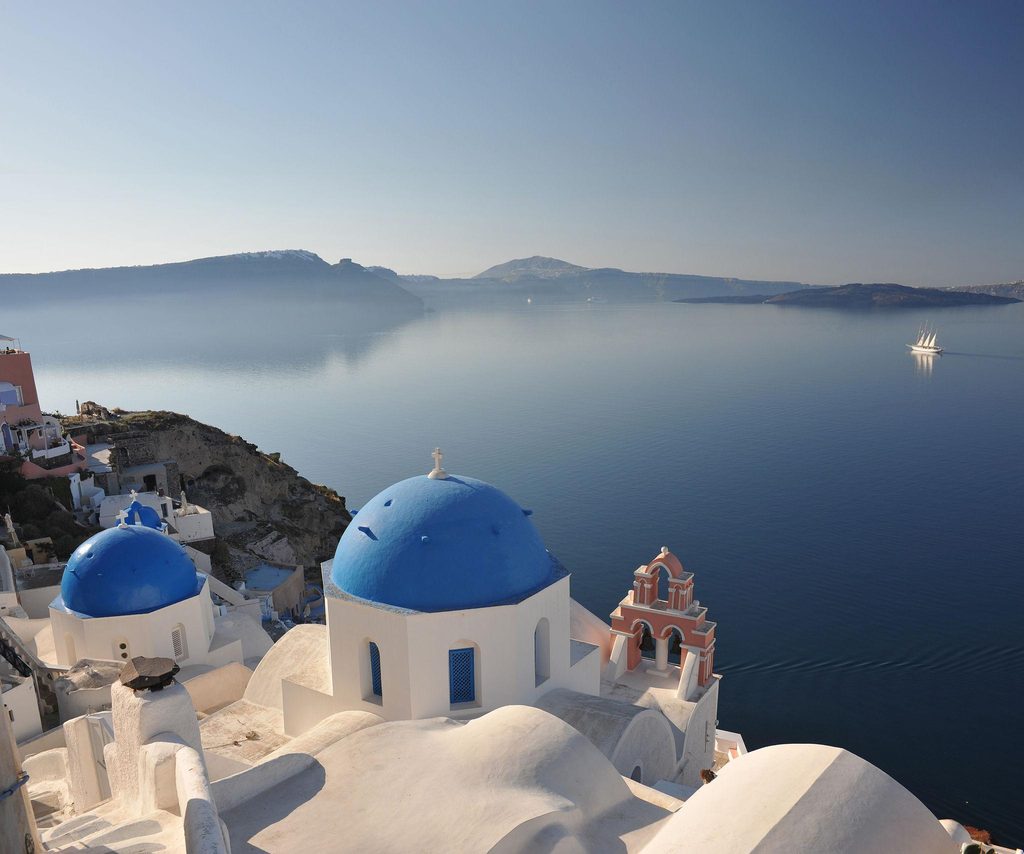
That movie, however, was about friends who shared a pair of jeans that traveled with them as a symbol of their memories and romantic adventures in Santorini. Every single scene in it is like a travel guide for anyone just discovering Greek landscapes, closely followed by My Big Fat Wedding (both parts).
To be honest, that built up a real dream in me to go there—far more than the cringe-inducing modern social media trend of Santorini.
II. Historical and Architectural Links Between Greece and North Africa
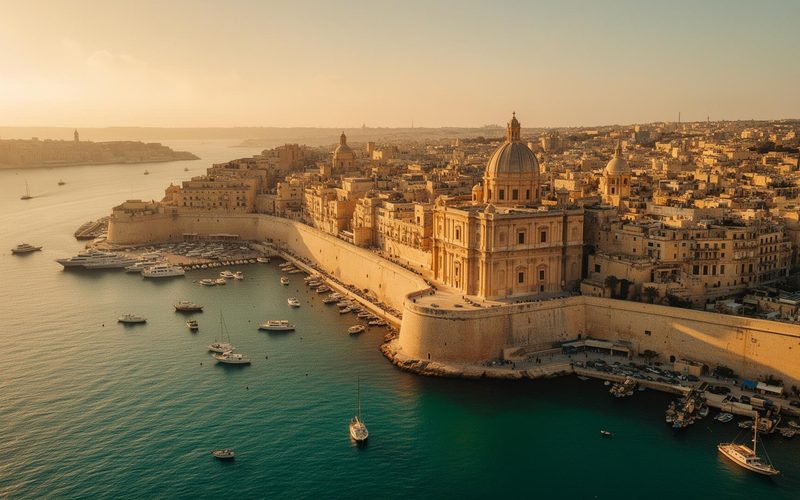
Thinking about the history, as I am a fan of it, there must be a bit of Greek influence in every part of the world, like a touristic embassy in each place. Eventually, I developed a thought plan: architecture in Morocco, Tunisia, and parts of what is called Algeria nowadays has Greek influences stemming from the Phoenician empire governing that side of Africa. Juba the Great was as important as Alexander, was actually Amazigh, but held a build of mythology coming from the Greeks that knew no boundaries, weaving in the myth of Hercules. It is all intertwined between Amazigh and Greek mythology, yet it is another long journey to dismantle through the ceramics of its civilization.
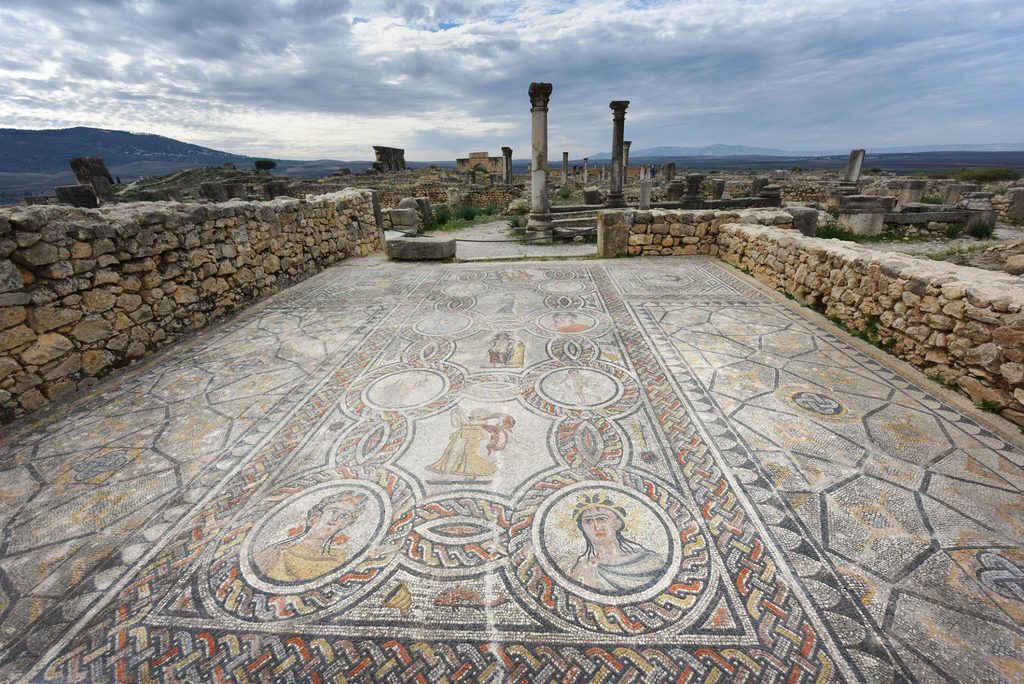
One of the similarities of traditional Greek architecture was the choice of colors and the Mediterranean view, not to mention the glorious vision of blue ceramics paired with Olympic-like stones. In every place they took over, there was a “mini Greece.” It does have its colonial discourse, but that is not our purpose here; the return of this aesthetic beauty to North Africa is what is so visually and culturally pleasing.
III. Discovering Mediterranean Soul and Redefining Travel in Tangier
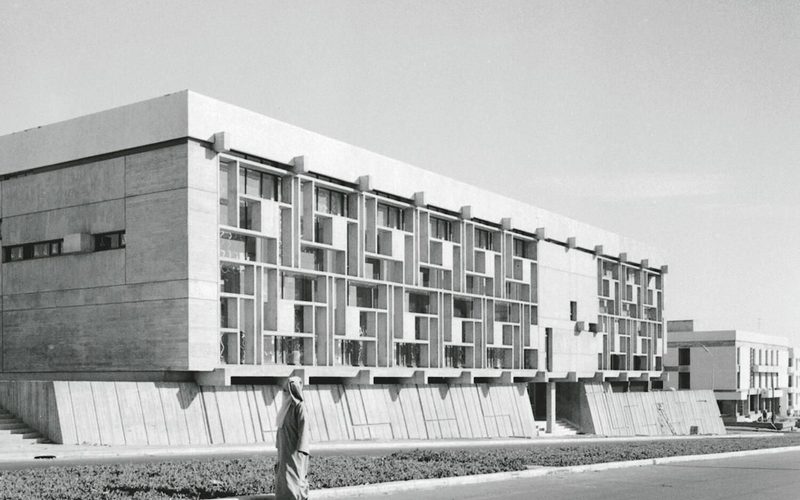
In Morocco, you notice that Moroccan architecture in its northern cities tried to draw inspiration from it, especially with sea views and kasbah-like coastlines. Historically, a Kasbah, a Mellah, a Mosque, and a Synagogue were so common in every city—they were the blueprint of urban architecture back then. Today, we see this as the prevailing design of overall Moroccan urbanism, holding tradition alongside modernism and postmodernity as painting and art have become a reference point for each city. We have started to know the city by its painting visual references, which is a huge twist in the popular artistic vision of our society.
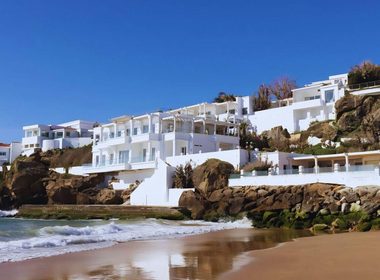
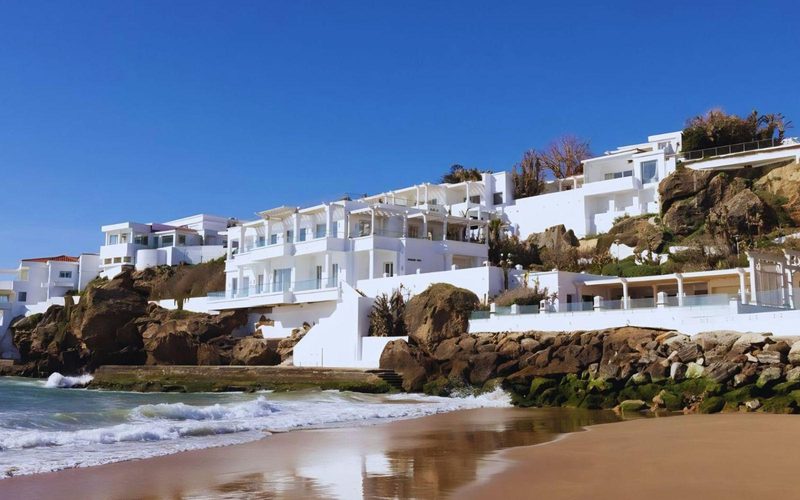
Stumbling upon a seaside spot near the Caves of Hercules in Tangier that echoes this aesthetic—a place like Le Mirage, tucked away against the Mediterranean with its classic architecture and quiet rooms—felt less like a tourist destination and more like a physical manifestation of these historical crossovers. Sitting there looking out at the Rmilat sky and the open sea, it struck me how much these visual echoes carry across time.
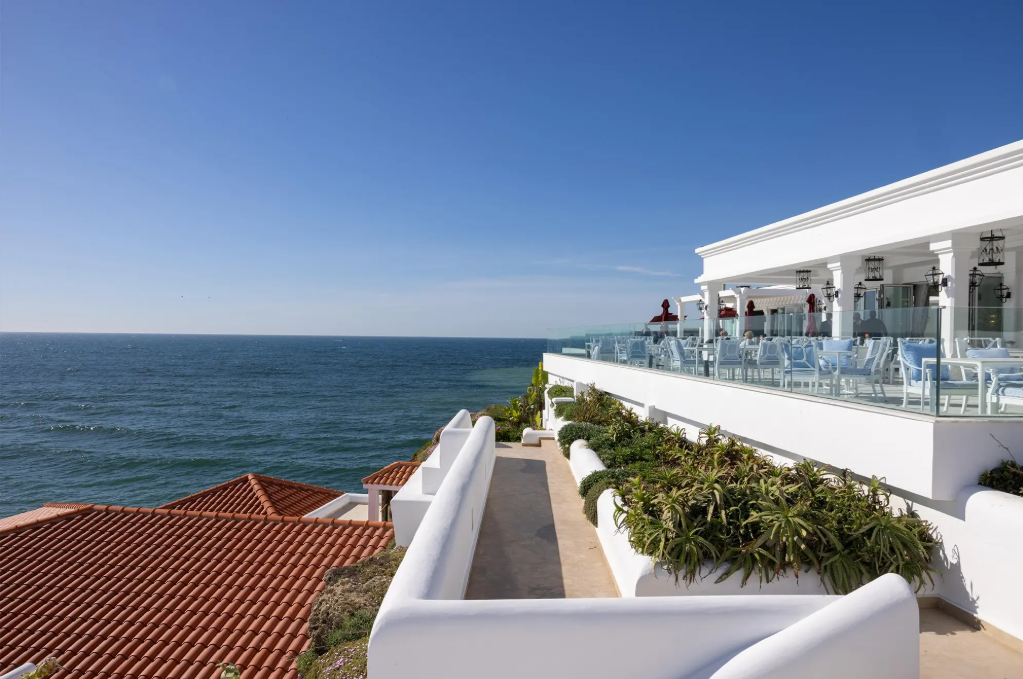
Ultimately, discovering a piece of the Mediterranean soul nestled right along the cliffs of Tangier changed how I view travel altogether. We often chase distant, overhyped trends across oceans, searching for a postcard perfection that has long since been stripped of its raw magic.
Yet history leaves its breadcrumbs everywhere. By blending Amazigh roots with ancient echoes of Greek heritage, places like this remind us that beauty, culture, and architecture are borderless. You don’t always have to fly across the world to find your dream destination—sometimes, it is waiting just around the corner, wrapped in the blue breeze of the Moroccan coast.