




Sustainability is more than just a buzzword; it’s a lifestyle choice that influences how we live, consume, and design our spaces. When it comes to your home, eco-friendly interior design is one of the most impactful ways to reduce your environmental footprint while also improving your quality of life. A sustainable home isn’t about sacrificing style or comfort; it’s about making thoughtful decisions that benefit both the planet and your well-being.
These eco-friendly interior design tips for a sustainable home will help you create a space that is beautiful, functional, and environmentally responsible.
Table of Contents
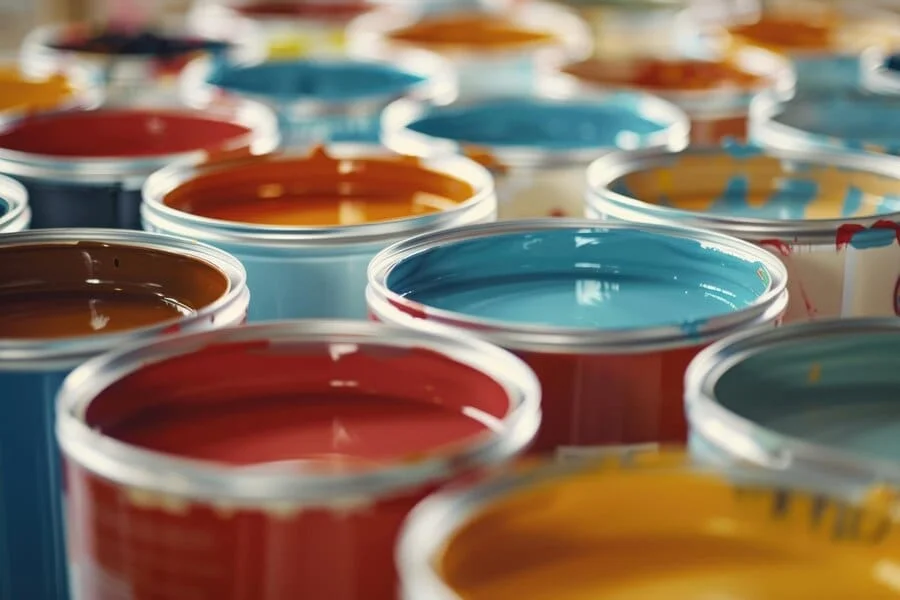
1. Use Non-Toxic Paint and Finishes for Your Sustainable Eco-Friendly Interior Design
Traditional paints, varnishes, and finishes often contain volatile organic compounds (VOCs), which can release harmful gases into your home long after application. These chemicals contribute to indoor air pollution and can cause headaches, allergies, and respiratory issues.
To create a healthier living environment, opt for low-VOC or VOC-free paints. Many reputable brands now offer eco-conscious options in a wide range of colours and finishes, including Benjamin Moore, Clare, and Behr. These paints not only reduce toxins in your home but also perform just as well, if not better, than conventional alternatives. Choosing non-toxic finishes for furniture and cabinetry further enhances indoor air quality and supports sustainable interior design practices.
2. Opt for Sustainable Flooring and Furniture
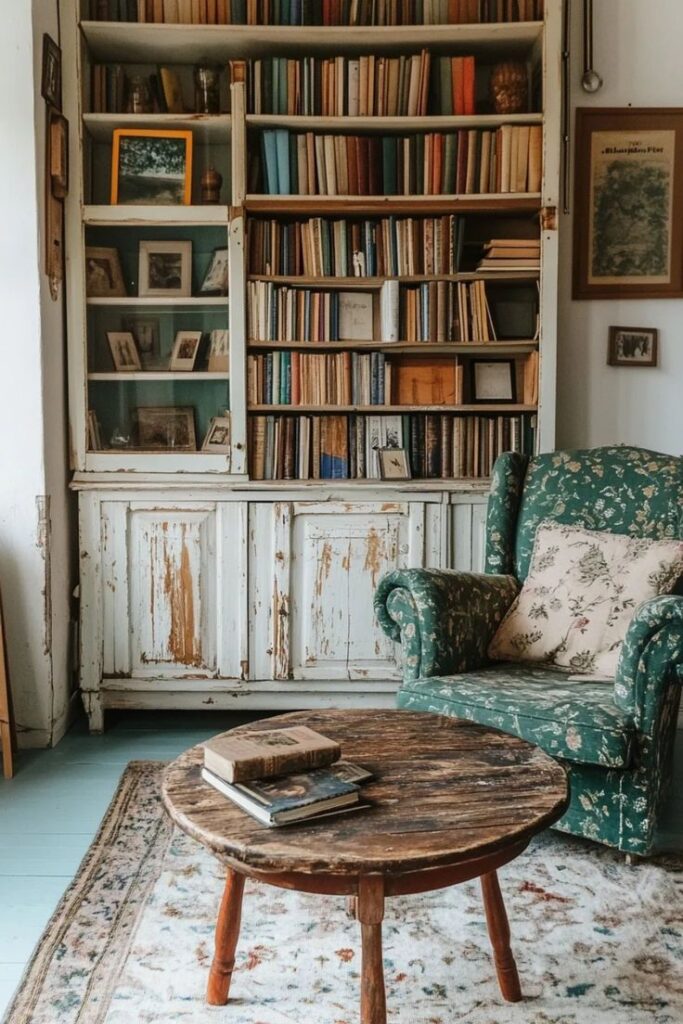
Flooring and furniture play a major role in both the aesthetics and environmental impact of your home. Instead of conventional hardwood or synthetic materials, consider sustainable options like reclaimed wood, bamboo, cork, or linoleum. These materials are renewable, durable, and often require less energy to produce.
When selecting furniture, look for pieces made from responsibly sourced materials or certified by organisations such as FSC (Forest Stewardship Council). Vintage and second-hand furniture are also excellent choices; they reduce waste, prevent unnecessary manufacturing, and add timeless character to your space. Investing in high-quality, long-lasting furniture helps reduce consumption over time.
3. Maximise Natural Lighting
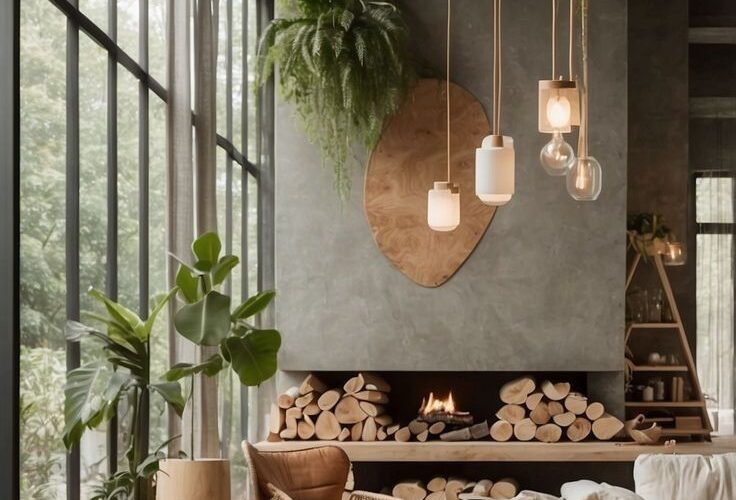
Natural light is one of the simplest and most effective ways to make your home more sustainable. By increasing daylight exposure, you reduce reliance on artificial lighting, lower energy consumption, and create a brighter, more inviting atmosphere.
If possible, consider installing larger windows, glass doors, or skylights. For renters or those on a budget, simple changes can still make a big difference. Use sheer or light-colored curtains, place mirrors strategically to reflect sunlight, and keep window areas uncluttered. Natural light has been shown to boost mood, improve sleep patterns, and enhance overall well-being.

4. Use Recycled or Upcycled Materials
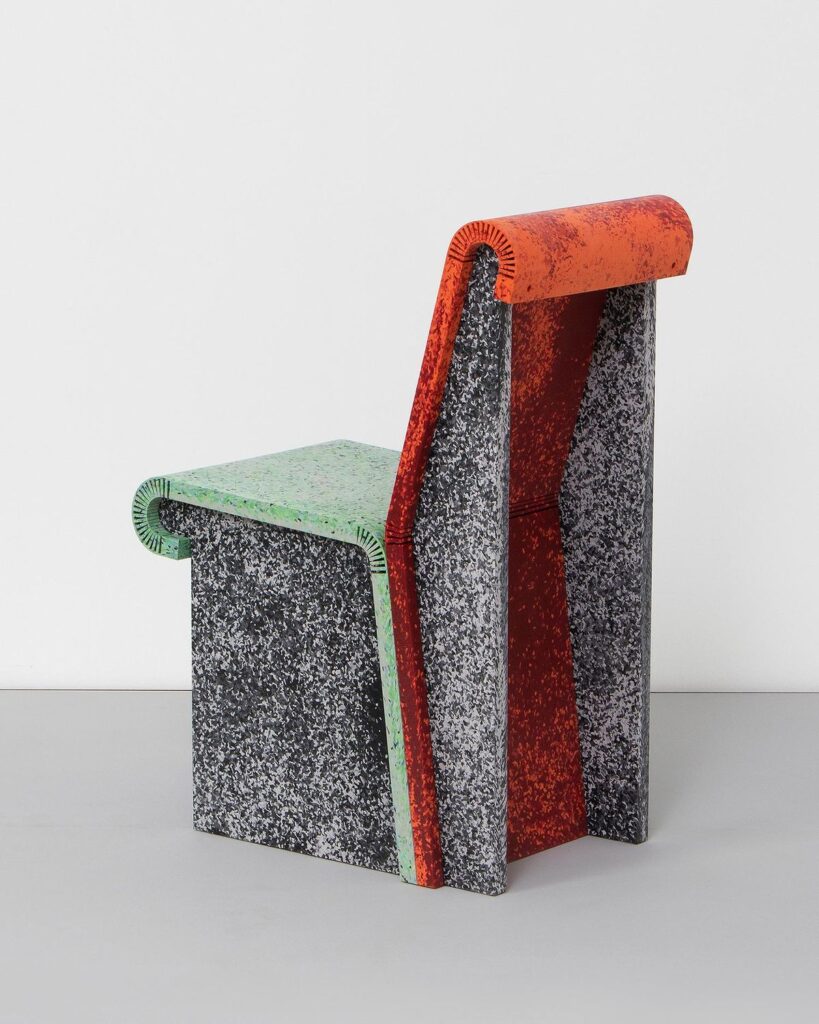
One of the most impactful eco-friendly interior design tips for a sustainable home is reusing and repurposing materials. Upcycling allows you to give new life to old items while reducing landfill waste and resource consumption.
Reclaimed wood can be transformed into shelves, coffee tables, or accent walls. Old dressers can become bathroom vanities, and leftover tiles can be reused for backsplashes or decorative accents. These creative choices not only minimise waste but also add a unique, personalised touch that mass-produced items can’t replicate.
5. Integrate Indoor Plants for Better Air Quality
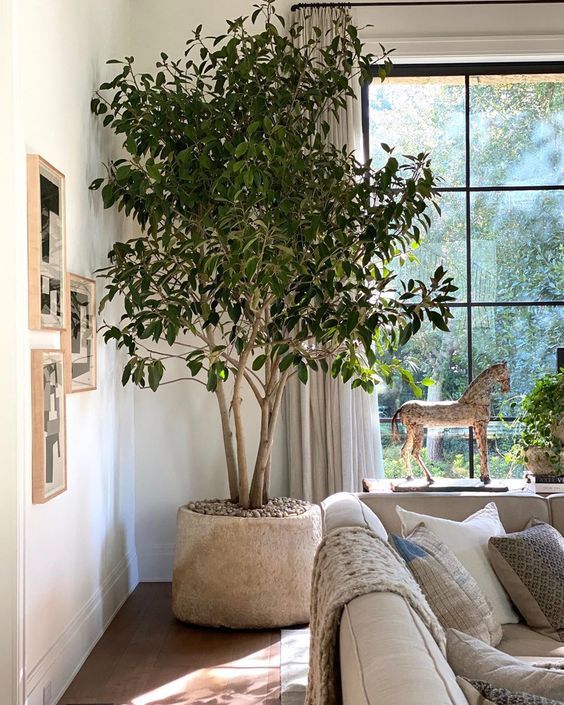
Indoor plants are a natural and stylish way to improve air quality and bring life into your home. Plants such as snake plants, pothos, peace lilies, and spider plants help filter toxins from the air while adding colour and texture to your space.
Incorporate greenery throughout your home, use hanging planters in bathrooms, small potted plants on shelves, or larger statement plants in living areas. Beyond their aesthetic appeal, indoor plants reduce stress, improve focus, and create a calming environment that supports a sustainable lifestyle.
6. Install Water-Saving Fixtures
Water conservation is an essential part of sustainable home design. Installing water-saving fixtures such as low-flow toilets, aerated faucets, and efficient showerheads can significantly reduce water usage without compromising performance.
Modern water-efficient fixtures are designed with both sustainability and style in mind, making them a seamless addition to eco-friendly interiors. Over time, these upgrades can save thousands of gallons of water annually and lower utility bills, making them an environmentally and financially smart investment.
7. Buy Local and Support Eco-Conscious Brands
The environmental impact of interior design extends beyond materials; it also includes how products are made and transported. Buying locally sourced furniture and décor reduces carbon emissions associated with long-distance shipping and supports local artisans and businesses.
Look for brands that prioritise ethical labour, sustainable manufacturing, and eco-friendly materials. Certifications such as FSC, OEKO-TEX, and Greenguard can help guide your purchasing decisions. Supporting eco-conscious brands ensures your home reflects the values of responsibility and sustainability.
Here you have a list of some Eco-conscious Moroccan Brands:
1. Tigmee Interiors – Handmade Moroccan home décor and furniture brand focusing on traditional craftsmanship paired with eco-conscious materials. Pieces are designed to be artisanal, durable, and expressive of Moroccan aesthetic heritage. TIGMEE
2. M3TISS – Eco-responsible textile brand that upcycles and repurposes old fabrics into new decorative items such as cushions, pottery, and personalized textiles, supporting local artisans and sustainable practices. DECO ACTUELLE
3. Moroccan Interior – A brand that partners directly with cooperatives and craftspeople across Morocco, focusing on handcrafted brassware, leather goods, textiles, and décor that preserve traditional techniques and ensure fair wages to artisans. Moroccan Interior
4. La Marrakechoise – Marrakech-based handmade decor studio emphasizing environmentally respectful production and materials sourced locally, ideal for sustainable accessories and pieces with Moroccan character. lamarrakechoise.com
5. Chabi Chic – Contemporary Moroccan décor and homeware brand blending traditional craftsmanship with modern design; the brand engages in community-driven initiatives and supports artisans in Marrakech. Chabi Chic
6. Tibladin – Handmade furniture and poufs crafted in Morocco with high-quality materials (like wool, goat leather, wicker, and rattan), supporting small artisan workshops and women’s cooperatives — with sustainability integrated into production rather than mass manufacturing. Tibladin
7. Libitii – Offers artisan-made Moroccan furniture and décor, including pendant lights, benches, mirrors, and brass fixtures. Pieces combine handcrafted details with sustainable materials. Libitii
8. EcoMorocco – A shop for Moroccan-inspired artisanal pieces like Beni Ourain and Azilal rugs and handmade lighting that emphasise tradition, sustainability, and ethical sourcing.ECOMOROCCO
Why These Eco-Friendly Interior Design Tips Matter
Sustainable living starts at home, and every choice, big or small, adds up. By applying these eco-friendly interior design tips for a sustainable home, you’re creating a space that promotes health, comfort, and environmental responsibility. Many of these changes are budget-friendly, timeless in style, and beneficial in the long run.
A sustainable home isn’t just good for the planet, it’s a place where you can live better, breathe easier, and feel proud of the choices you’ve made for yourself and future generations.
For more tips, read our previous Blogs in the Tips and Tricks category!