
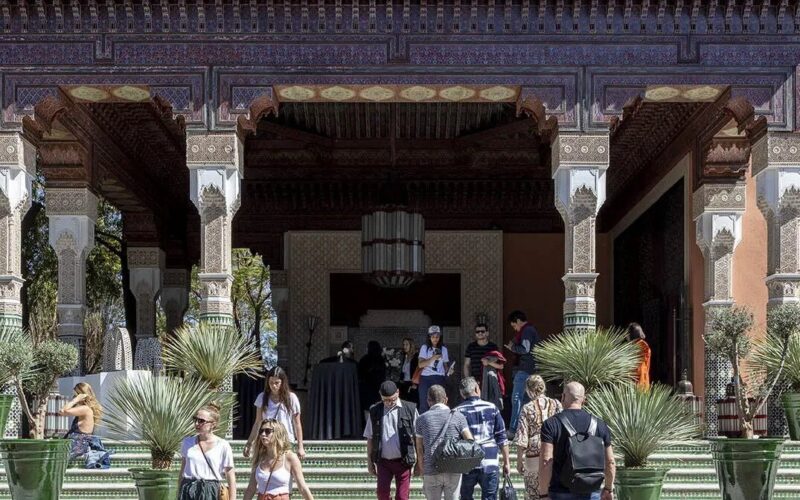
In 2026, Marrakech once again affirmed its position as one of Africa’s most dynamic cultural capitals. The year opened with the 1-54 Contemporary African Art Fair, held from 5–8 February, and the momentum it generated carried well into March and April, transforming the city into a sustained platform for artistic exchange.
More than a seasonal destination, Marrakech has evolved into a crossroads where heritage, contemporary experimentation, and global dialogue intersect. What unfolded in early 2026 was not a single event, but the unfolding of an ecosystem.
Table of Contents
1-54 Marrakech: A Platform Beyond the Market
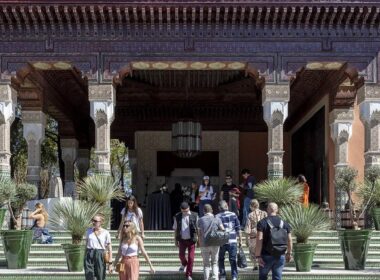
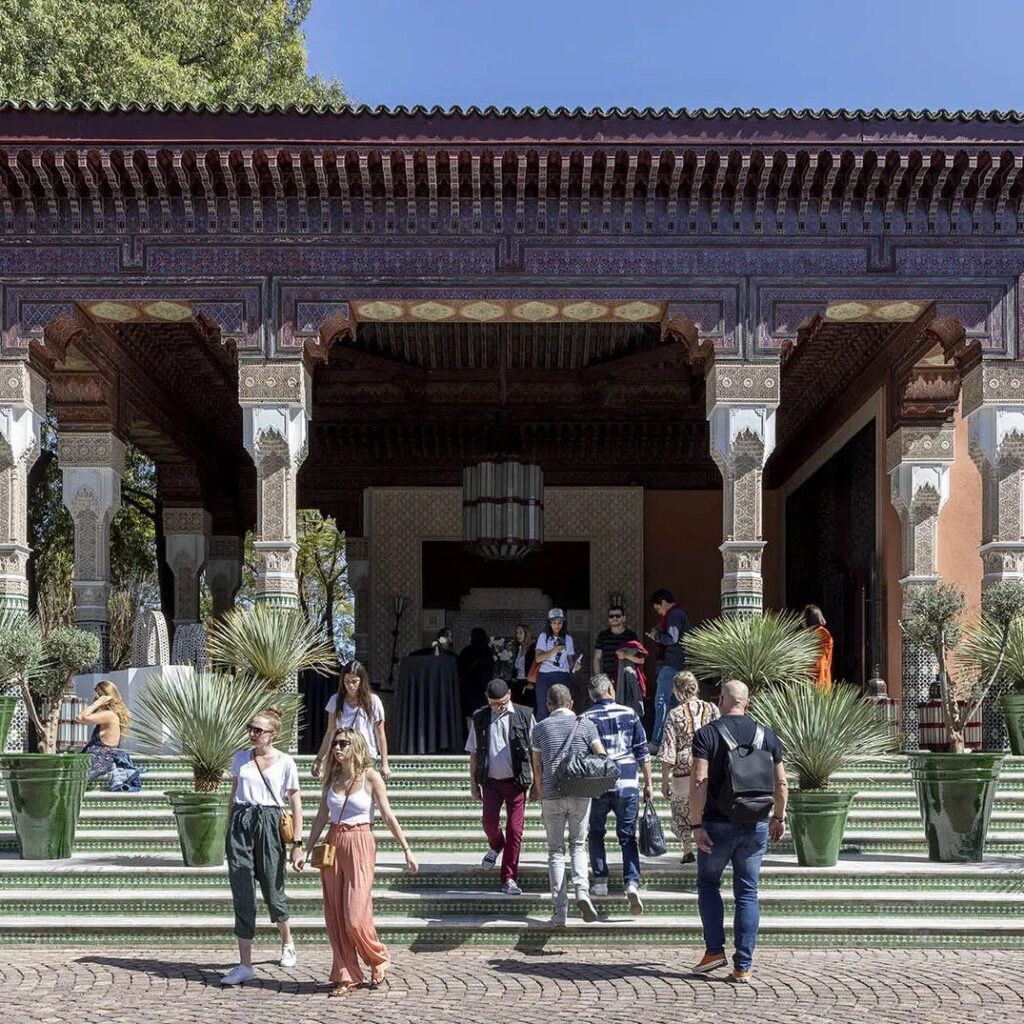
Hosted primarily at the iconic La Mamounia, the 2026 edition of 1-54 gathered galleries, artists, collectors, curators, and institutions from across Africa and the diaspora. True to its name, referencing the 54 countries of the African continent, the fair offered a multilayered vision of contemporary African practices.
This year’s format was notably focused and intimate. Rather than expanding in scale, the emphasis was placed on curatorial depth and meaningful dialogue. Painting, sculpture, textile, photography, installation, and mixed media coexisted in scenographies that encouraged close looking rather than spectacle.
The result was a fair that felt less transactional and more reflective, a site where narratives of memory, abstraction, migration, spirituality, and material research could unfold with nuance. By juxtaposing established figures with emerging voices, 1-54 reinforced a crucial idea: contemporary African art is not an emerging category, but an integral force shaping global artistic discourse.
Marrakech and the Rise of the Moroccan Art Scene
One of the most striking aspects of this year’s edition was the strong presence of Moroccan artists and galleries, reflecting the country’s increasingly influential role within the African and international art ecosystem. Marrakech, in particular, is no longer just a host city; it is an active cultural agent.
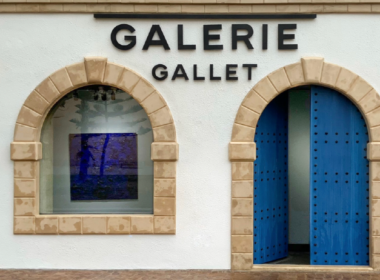
Leading Moroccan galleries such as Loft Art Gallery and L’Atelier 21 presented powerful selections that highlighted the diversity of contemporary practices emerging from the country.
Among the notable Moroccan artists featured:
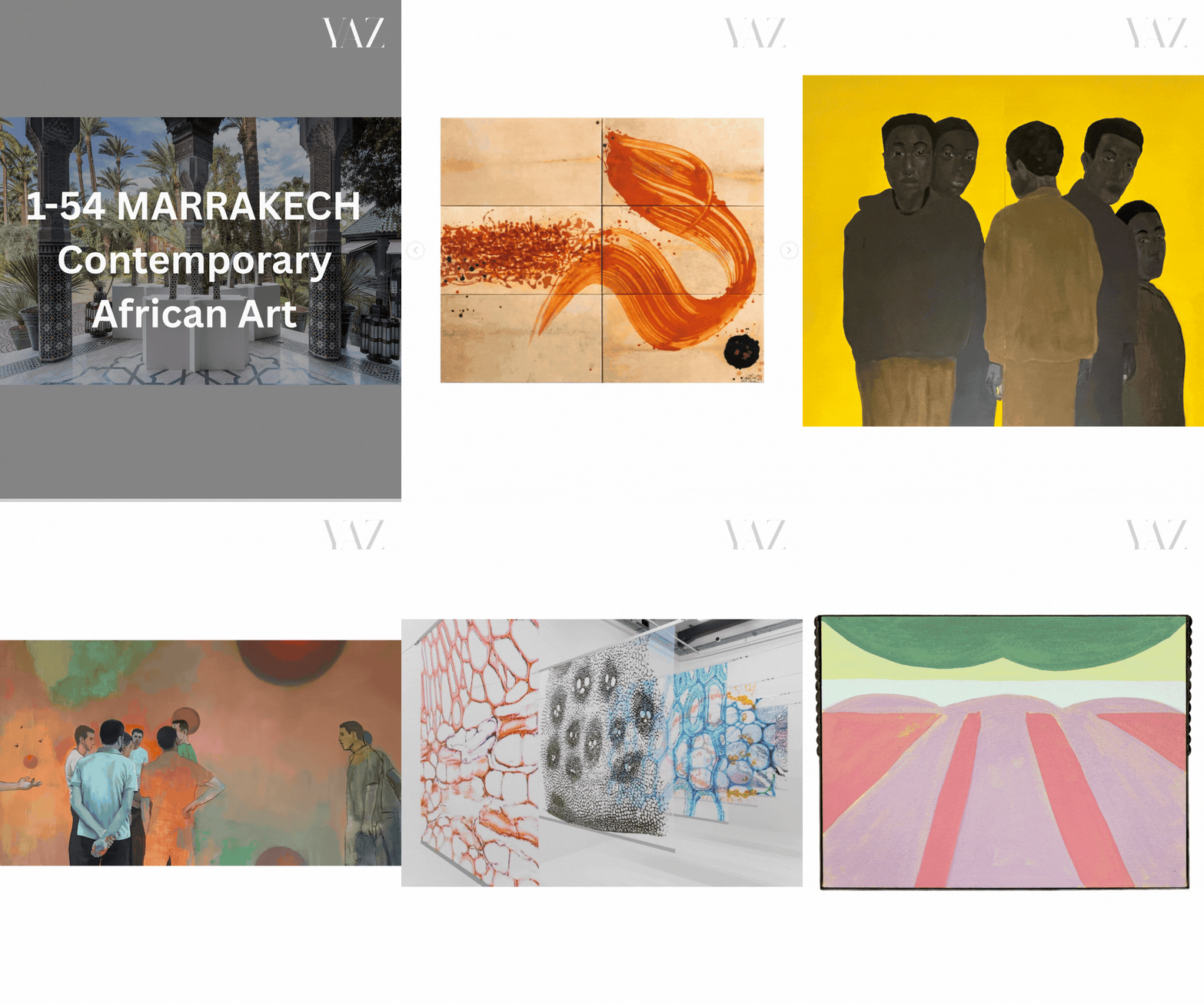
- Mehdi-Georges Lahlou, whose sculptural and mixed-media work Of the Conference of the Palm Trees – Date Palm (2026) explored memory, archives, and symbolic identity through organic forms.
- Nassim Azarzar, presented with recent acrylic works that play with abstraction, light, and rhythm.
- M’barek Bouhchichi, Larbi Cherkaoui, Nabil El Makhloufi, Safaa Erruas, and Ghizlane Sahli, whose works ranged from material-driven minimalism to expressive figuration and conceptual research.
- Mustapha Azeroual, M’hammed Kilito, and Samy Snoussi featured in a collective presentation examining crossings: cultural, geographic, and emotional.
Together, these artists offered a compelling portrait of a Moroccan scene that is confident, experimental, and deeply rooted in both local and global references.
Marrakech as Cultural Agent
One of the defining aspects of the 2026 edition was the strong presence of Moroccan artists and galleries. This reflects a broader shift: Marrakech is no longer simply hosting international art events, it is actively shaping them.
The city’s artistic infrastructure has matured significantly over the past decade. Galleries, foundations, collectors, and independent spaces now operate within a network that sustains production beyond the temporality of a four-day fair.
This consolidation positions Marrakech as a northern African hub within a continental conversation, one capable of bridging local heritage with international contemporary debates.
Spring 2026: The Artistic Agenda Continues
While 1-54 set the tone in February, March and April extended the dialogue across the city.
Exhibitions Extending into March & April
“The Memory of Gestures” – Mandarin Oriental
Presented at the Mandarin Oriental Marrakech, this exhibition (running into early April 2026) explored gesture as a language within contemporary art. Its timing, aligned with 1-54, allowed the dialogue initiated during the fair to extend into the spring season.
“In Between Blues” – DaDa Gallery
At DaDa Gallery, this exhibition (through late March 2026) offered a more experimental counterpoint to the fair’s presentations, reinforcing Marrakech’s role as a city where independent spaces contribute to broader cultural conversations.
Institutions Anchoring the Season
Beyond temporary exhibitions, Marrakech’s major institutions continue to shape the city’s artistic rhythm:
Museum of African Contemporary Art Al Maaden (MACAAL)
A cornerstone of contemporary African art on the continent, MACAAL remains essential for understanding the intellectual and curatorial frameworks supporting artists from across Africa.
Yves Saint Laurent Museum Marrakech
Bridging fashion, design, and visual art, the museum contributes to the city’s interdisciplinary cultural landscape.
Maison de la Photographie
Dedicated to photographic archives and visual history, it anchors contemporary creation within a longer historical memory of Morocco and North Africa.
Together, these institutions ensure that the cultural momentum of early February does not dissipate, but instead deepens.
A City-Wide Cultural Landscape
During March and April, Marrakech’s cultural energy spills into public and semi-public spaces:
- Rooftop performances and music evenings
- Artisan showcases and design pop-ups
- Cross-disciplinary collaborations between galleries and hospitality venues
- Educational initiatives and guided encounters with artists
As the spring light intensifies and tourism peaks, the city itself becomes an open-air extension of the fair — a layered environment where tradition and contemporary practice coexist naturally.
Why This Moment Matters
What makes Marrakech in spring 2026 particularly significant is continuity.
1-54 is not an isolated highlight. It functions as a catalyst within a broader ecosystem. The fair brings international visibility and critical attention; the city sustains and expands the conversation.
At a time when global institutions are rethinking narratives, representation, and collections, Marrakech offers something distinct:
a space where African and diasporic artists are not framed as peripheral, but as central contributors to contemporary thought.
The 2026 season demonstrates that Marrakech is no longer on the margins of the international art world. It is a strategic cultural node, where heritage informs experimentation, where local scenes speak globally, and where contemporary African art asserts its complexity with confidence.